

Published: September 19, 2025 | Last Updated: December 16, 2025

What is A light diffuser in Photography? The quick answer
A light diffuser softens and spreads light to reduce harsh shadows. It scatters light before it hits your subject, lowering contrast and creating smooth, even exposure. Diffusers are used in portraits, product shots, food, macro photography, and more. Common types include softboxes, umbrellas, and diffusion panels.
What Does a Light Diffuser Do?
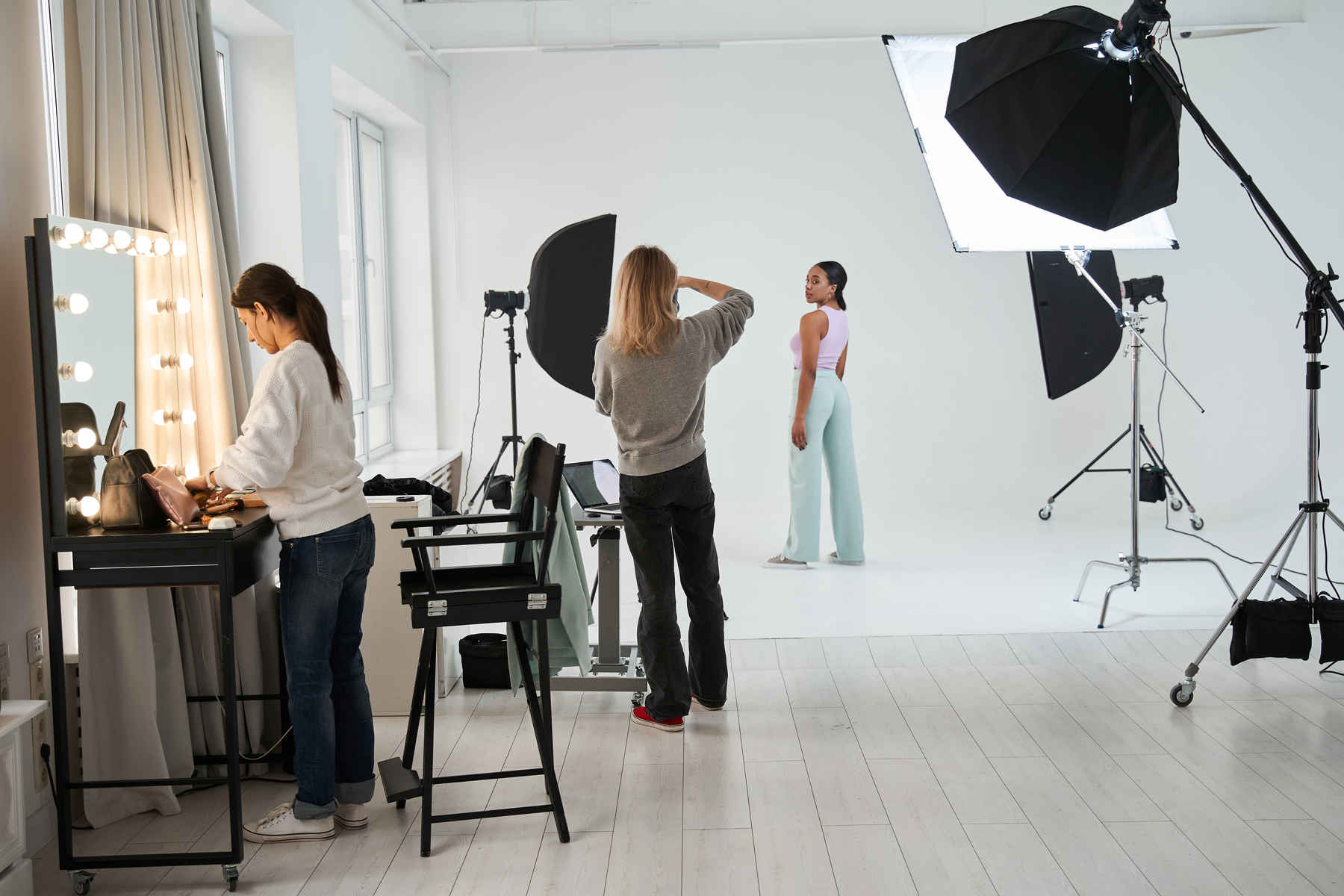
Light diffusers help you shape the quality of light. Instead of hard, direct illumination, a diffuser spreads the light to make it look softer and more balanced. This affects how your subject appears in terms of shadow, texture, and contrast.
It works by increasing the size of the light source. The wider the source, the softer the light looks on your subject. For example, natural light shining through a sheer curtain becomes smooth and flattering instead of harsh and direct.
Diffused light has lower intensity, so you may need to adjust your camera settings or use brighter lights to compensate.
Types of Light Diffusers
Different types of light diffusers are designed for different setups, such as studio, outdoor, flash, or DIY. Each tool affects the spread and softness of light in a specific way. Below are the most common options you can use.
The Three Main Photography Diffusers: Softboxes, Umbrellas, and Scrims

Softboxes are enclosed frames with reflective sides and a front diffusion panel. They produce clean, even light for portraits and studio work.
Umbrella diffusers are translucent umbrellas that spread light quickly across large areas, which are useful for events and group shots.
Diffusion panels (silks/scrims) are large fabric screens used on set to soften sunlight or strong continuous lights. Common in both photography and film.
Other Common Types of Light Diffusers
Clip-on flash diffusers are small attachments for speedlights that help reduce glare and shadows in event or run-and-gun photography.

Clip-on diffusers come in various shapes and sizes, designed for different purposes. Some resemble small softboxes, while others resemble cones or a ball cut in half (wide-angle diffuser). Others are specifically designed to help reflect light in a particular direction. And some are designed for a specific type of photography, such as macro photography.
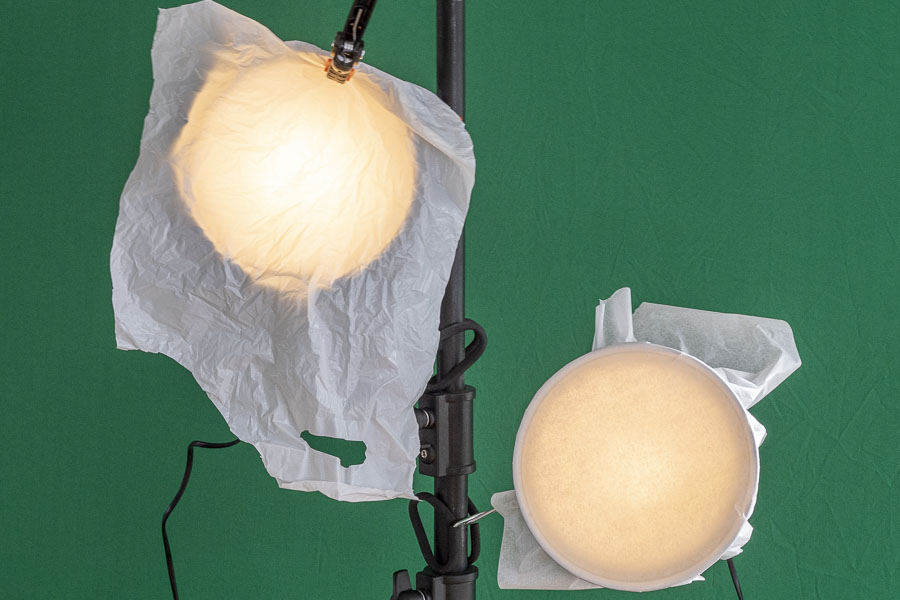
DIY materials, such as white bed sheets, parchment paper, frosted plastic, or shower curtains, can all serve as diffusers in budget setups. Here’s a guide with ideas to DIY light diffusers for photography and video.
Light tents: Box-shaped diffusers with translucent walls used for product photography, especially with reflective items like glass or metal.

When to Use Diffused Light
You should add a diffuser any time your light source looks too hard or unflattering. Certain lighting conditions call for more softness, especially in close-ups, portraits, or shots with shiny or textured surfaces. These are the most common situations where diffusion works best.
In portrait photography, diffused light smooths out skin texture and helps reduce blemishes and oily highlights. The result is a softer, more flattering look without overexposing key features like the forehead or cheekbones.

In product photography, diffusion helps remove glare from packaging, glass, and metal surfaces. This is especially important for e-commerce images, where distracting reflections can hurt image quality and customer trust.

In outdoor shooting, a diffusion panel blocks direct sunlight and softens facial shadows. This keeps skin tones smooth and exposure even during harsh midday light. If the sun is behind your subject, you can use a diffuser or translucent umbrella to light the face and balance the backlight. When shooting in the shade, a diffuser can catch sunlight and direct it onto the subject, helping you recover brightness without adding extra gear.
Keep the diffuser close to your subject for the softest effect. The larger the surface of the diffuser, the more evenly the light spreads. On overcast days, the clouds themselves act as a giant natural diffuser.
Diffusers vs Reflectors
Diffusers and reflectors are both light modifiers, but they do different things. Diffusers soften light by scattering it before it hits your subject. Reflectors bounce existing light, either to fill in shadows or to make light brighter and more directional.

For example, you can use a softbox as your main light source and a reflector to fill shadows on the opposite side of a subject’s face. Together, they create balanced lighting with soft transitions.

From left to right, the reflectors are:
White: Produces soft, natural light by diffusing and bouncing light evenly.
Black: Absorbs light to deepen shadows and reduce reflections.
Gold: Adds warm, golden tones to the light, enhancing skin tones and creating a sunny atmosphere.
Silver: Reflects bright, cool light to increase contrast and highlight details.
White reflectors give soft, subtle fill. Silver reflectors or silver-lined umbrellas bounce back more intense light and add contrast. Gold reflectors warm the tone, and translucent reflectors actually function as diffusers by softening the light instead of bouncing it.

Extra Tips for Softer Light
Once you understand the basics of diffusion, there are small adjustments you can make to improve results. These tips help you soften light even more or solve common problems like overexposure and specular highlights.
Get closer to your subject. The closer and larger your diffuser is relative to the subject, the softer the light will be. A big light source placed far away doesn’t spread light nearly as well.
Use double diffusion. Placing two layers of fabric between your light source and subject (like an inner baffle plus a front panel) softens the light even more. Just remember to adjust your exposure to match the loss in brightness.
Camera Settings for Diffused Light
When you add a diffuser, your overall light intensity drops. This means you’ll need to adjust your camera settings to maintain proper exposure. Below are the three most common adjustments photographers make when using diffused light.
- Open your aperture wider (e.g., f/2.8 instead of f/5.6)
- Increase ISO slightly (e.g., from ISO 100 to ISO 400)
- Slow your shutter speed if the subject is not moving
Always re-meter (with a light meter) the scene after adding a diffuser. This ensures your exposure matches the actual amount of light reaching your sensor.
Summing Up
A light diffuser spreads and softens light to reduce harsh shadows and glare, making photos smoother, more even, and more flattering. Use softboxes, panels, umbrellas, or DIY materials depending on your setup. Keep diffusers close, adjust your exposure, and add reflectors if needed. Soft, controlled light is one of the simplest ways to improve the look of any photo.
Read Next: Want to level up your photography skills?
Explore our Photography section for guides on lighting, composition, camera settings, and creative techniques across genres like portrait, landscape, and street.
Whether you’re shooting on a mirrorless camera or your phone, you’ll find sharp, practical tips to take more intentional and creative photos.
Also check out our Visual Composition section, with deep dives into framing, color psychology, and visual art history—key tools for any photographer thinking like an image-maker.
