

Published: May 14, 2024 | Last Updated: February 6, 2026

Overview
Definition: An archetype is a repeatable story role or situation pattern that shows up across many stories, so you recognize its job in the plot fast.
What you’ve seen before: You’ve seen this when a movie introduces someone in a few seconds and you already understand what they will push, block, or teach in the story.
Example: In The Matrix (1999, Warner Bros.), Morpheus works as the mentor archetype. He finds Neo, tests his readiness, and offers a choice that forces commitment. Those actions tell you his role long before you know his full backstory.
Why it matters: Archetypes help you write with cleaner intent. When you know a character’s function, you can plan scenes around what they do under pressure. Archetypes also set expectations. Viewers predict how a mentor, trickster, or outsider usually behaves, so you can either deliver that pattern or twist it on purpose.
- Key takeaway 1: Pick an archetype early so each major character has a clear job in the plot.
- Key takeaway 2: Show the archetype through actions and choices, not labels in dialogue.
- Key takeaway 3: Use the archetype as a start, then add specific history, tactics, and contradictions so the character does not feel generic.
Next, let’s define archetype in a broader film-writing framework and separate it from nearby terms that often get mixed up.
What is an archetype in film? Definition & Meaning
An archetype is a repeatable character role, image, or plot pattern that appears across many stories, so you can set expectations fast and write scenes that pay those expectations off.
In film talk, “archetype” usually means story function. You spot it in who the character serves, what they push toward, and what kind of change they pressure in the protagonist.
In psychology, “archetype” can mean something else. Swiss psychiatrist Carl Jung argued that certain recurring patterns show up across cultures because they connect to shared human concerns. In screenwriting, you can translate that idea into roles that feel instantly familiar.
Archetypes work like story roles
In practice, an archetype often behaves like a job inside the story. The label only helps if it points to choices you can stage, shoot, and cut.
The Mentor pushes commitment through tests and training. The Trickster disrupts rules, so denial and hypocrisy show. The Shadow concentrates the threat, so the story’s conflict stays sharp. These are roles, not costumes, and one character can carry more than one role across different scenes.
A quick test: is this actually an archetype?
If you feel unsure, test the role on the page. Archetype talk stays useful when it predicts behavior and helps you make scene decisions.
- It describes story function. You can state what the character does to the protagonist’s goal.
- It shows up beyond one genre. You can find the role in very different kinds of films.
- It predicts expectations. You can name what viewers assume this role will try next.
- It survives recasting. If you swap age, setting, status, or gender, the role still works.
Where the term comes from
The word “archetype” has a long life outside film, so people mix meanings without noticing. Here are the main lanes you will see, and how they connect to writing decisions.
Etymology and everyday meaning
Archetype comes from Greek roots that point to an original pattern or first model. In everyday use, it can mean a classic example. In story work, it usually means a repeatable pattern you can build scenes around.
Jung and psychological archetypes
Swiss psychiatrist Carl Jung argued that certain patterns repeat across cultures because they connect to shared human concerns, like fear, belonging, status, and care. In film writing, that idea often gets used as a practical shortcut: roles that feel familiar because they match common pressures. If you want a deeper breakdown of Jung’s system, see FilmDaft’s guide to Jungian archetypes.
Myth and structure: Campbell and the hero pattern
American myth scholar Joseph Campbell is often pulled into archetype conversations because his monomyth describes a repeating adventure pattern across myths. Many screenwriting discussions blend character archetypes with story structure, so it helps to keep the categories separate. For FilmDaft coverage, see Campbell’s monomyth and the Hero’s Journey.
Plato and the “ideal form” idea
Greek philosopher Plato described the idea of ideal forms behind messy real-world examples. You do not need Plato to write a script, but this connection explains why people use “archetype” to mean a deep template under many variations.
Archetype vs. stereotype vs. trope vs. stock character
These words get swapped in casual film talk, and that causes real writing problems. When you keep the boundaries clean, archetypes stay useful instead of turning into shortcuts that flatten your characters.
Archetype vs. stereotype
A stereotype is an oversimplified claim about a group of people. It reduces individuals into a fixed label and repeats it as truth. An archetype describes story function, like mentor, rival, or outsider, without making a claim about a real-world group. If you want a refresher, see What is a stereotype?
Archetype vs. trope
A trope is a recognizable story device, and it can be small and specific. A “reluctant hero” can be a trope. A “wire-cutting dilemma” can be a trope. Archetypes sit at a broader level and describe roles that can contain many tropes. FilmDaft covers this distinction in What is a character trope?
Archetype vs. stock character
A stock character is a familiar character type that often arrives with a ready-made surface package. Stock characters can work in comedy and tight-runtime genre stories, but they can also stay flat. Archetype language can help you avoid that flatness by clarifying what the character pressures in the story. See FilmDaft’s guide to stock characters.
Common character archetypes you see in movies
There is no single official list that everyone agrees on, so treat these as practical roles you can recognize on screen. The goal is not naming characters for fun. The goal is understanding what each role does to the story’s main problem.
- Hero / Protagonist: commits to the central goal, then pays a price to change.
- Mentor: offers training, tools, or a moral frame, then forces independence later.
- Ally: supports the goal, then tests loyalty when the cost rises.
- Rival: competes for the same prize, then exposes the hero’s weakness.
- Shadow / Antagonist: blocks the goal, then makes the theme concrete through conflict.
- Trickster: disrupts rules, breaks tension, and exposes denial or hypocrisy.
- Guardian: guards a threshold, then forces proof before progress.
- Herald: delivers news that shifts the story’s direction, then triggers a decision.
- Outsider: does not fit the social system, then exposes the system’s real values.
- Caregiver: protects others, then risks losing selfhood through over-responsibility.
- Ruler: controls resources or status, then fights to keep control when challenged.
- Innocent: trusts the world, then faces disillusionment or chooses faith with open eyes.
Read more about these character archetypes in film.
Three character examples, explained through scenes
Examples matter most when the label connects to choices on screen. Here are three ways archetype language can clarify what a character is doing, scene by scene.
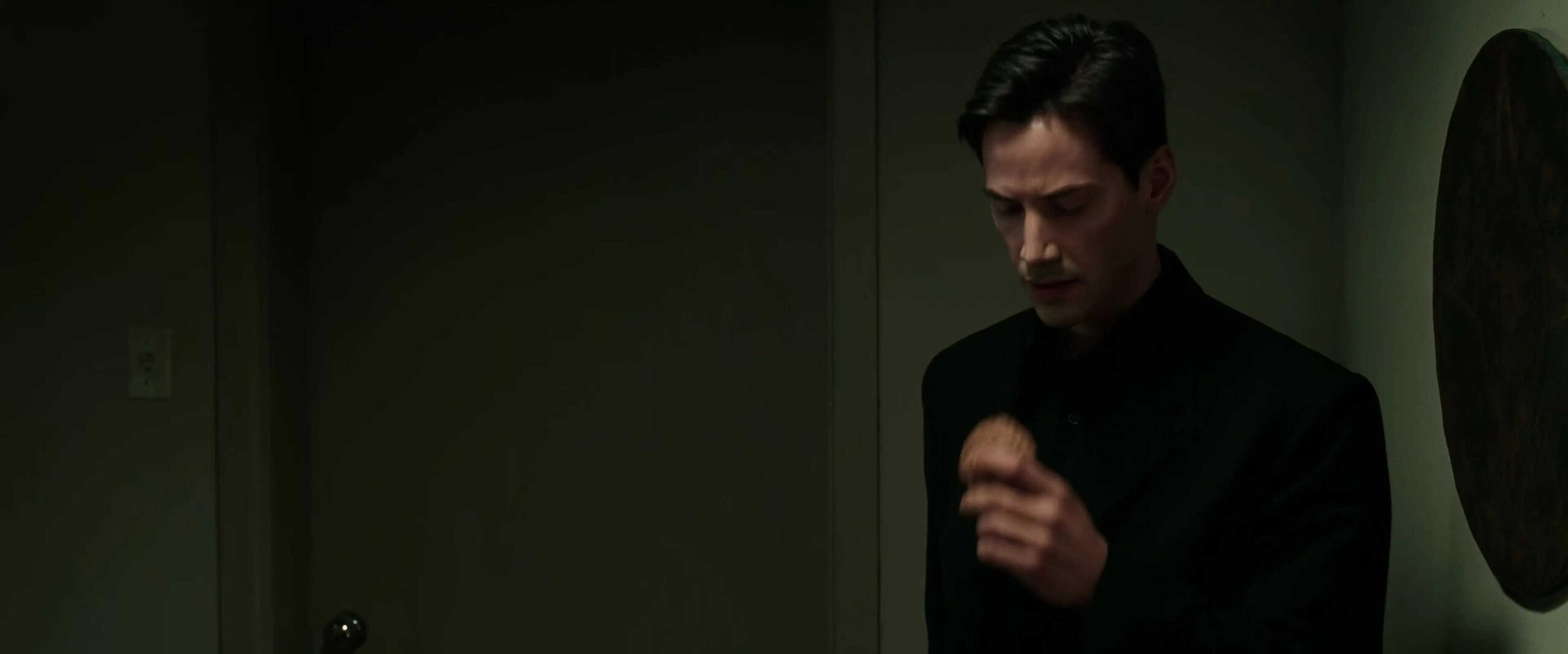
In The Matrix (1999, Warner Bros.), Neo fits a reluctant hero pattern early because the story keeps forcing yes-or-no commitment under pressure. The office escape tests whether he will obey instructions or freeze. The red pill choice locks him into the truth, but it does not lock in his belief. When he eats the Oracle’s cookie, he still doubts himself and still looks for proof that he matters. The label stays useful because it predicts what comes next, which is training, sacrifice, and an identity shift that has to be earned.
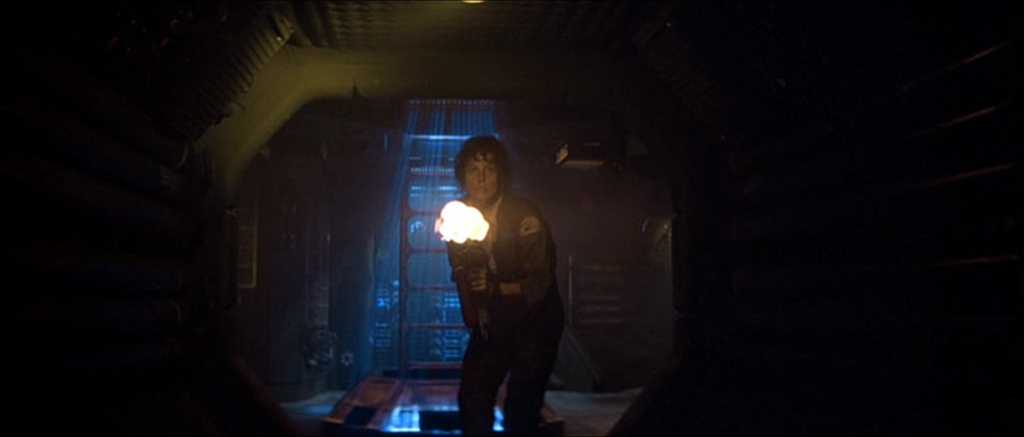
In Alien (1979, 20th Century Fox), Ripley reads as a survivor hero because the film rewards procedure and caution instead of destiny and speeches. The quarantine argument at the airlock matters because she enforces safety, even when the group resents it. Later, that same trait keeps her alive.

In The Godfather (1972, Paramount), Michael Corleone shifts into a reluctant successor and then a ruler through decisions that tighten control. The hospital moment matters because he steps into protection without permission. The restaurant killing matters because he crosses a moral threshold that cannot be undone. The closing door matters because it signals the new order inside the family.
Plot archetypes and story patterns
People also use “archetype” to talk about repeating plot shapes. This can help during outlining because it lets you check pacing, reversals, and the kind of ending your premise leans toward.
Common plot archetypes you can build on
These are broad patterns you can find in many genres. They stay useful when you treat them as shapes that still need specific scenes, specific stakes, and specific costs.
- Quest / Journey: a goal pulls characters across unfamiliar territory, and the journey changes them.
- Revenge: a harm creates a mission, and the mission changes the hero’s morality.
- Tragedy: a flaw or belief keeps winning until consequences end the story.
- Rebirth: a character hits a low point, then earns a new self through sacrifice.
- Heist: a plan promises control, then reality breaks it through human failure.
- Monster in the House: characters are trapped with a threat, and survival becomes the engine.
- Coming of Age: a young character meets adult truth, then chooses who to become.
- Rise and Fall: success builds through compromise, then collapse follows those compromises.
How plot archetypes connect to character archetypes
Plot archetypes tell you what kind of pressure the story applies. Character archetypes tell you who carries that pressure in each phase. In a heist, the rival can live inside the crew. In a rebirth story, the mentor might fail the hero so the hero must stand alone. This approach helps you plan conflict instead of stacking random obstacles.
Archetypes beyond character roles
In some discussions, “archetype” also covers recurring symbols, themes, and settings. This can be useful in analysis, but keep it separate from character-job talk so your writing decisions stay clear.
Symbol archetypes: Water often signals birth, cleansing, or rebirth. In The Shape of Water (2017), water is not just a location. It becomes the space where connection and transformation can happen, which is why it supports the film’s symbolism.
Theme archetypes: “Good vs. evil” shows up across genres because it creates a clear moral battleground. Many fantasy and space opera stories use that theme as the core conflict engine.
Setting archetypes: The wilderness often represents danger and isolation, and it forces survival choices that strip characters down to basics. In The Revenant (2015), the environment keeps applying physical pressure, so every decision has a cost.
Underworld settings: Labyrinths, tunnels, and hidden worlds often function like an underworld because they turn the story into a trial space. In Pan’s Labyrinth (2006), Ofelia’s descent into eerie spaces becomes a sequence of tests that push belief, fear, and obedience.
Plot archetypes: The quest pattern appears in countless stories because it turns a goal into movement, obstacles, and change. This is a big reason people link archetype talk to the Hero’s Journey and monomyth.
How to write archetypes for your screenplay
Archetypes help most during planning, when you want clean roles and sharp conflict. Treat them like a drafting tool, then push beyond them once the structure holds.
- Write the story problem in one sentence. Name the goal, the main obstacle, and the cost of failure.
- Assign roles that create pressure. Decide who pushes the hero forward, who blocks the hero, and who tempts the hero to quit or compromise.
- Give each role a concrete tactic. A mentor teaches through drills. A rival undercuts through public wins. A shadow threatens through leverage.
- Add a personal want and a deeper need. The want drives actions. The need changes the person.
- Build one contradiction per major character. Make it playable, like “confident in public, avoidant in private,” so scenes can show it.
- Test the role in three scenes. Outline a choice scene, a pressure scene, and a consequence scene. Check if the role still holds.
- Run a stereotype and cliché check. Look for lazy group labels, recycled dialogue, and default casting assumptions. Replace them with specifics and lived logic.
- Rewrite the label in plain language. Swap “trickster” for “the one who exposes denial with jokes.” If the plain version is unclear, the role is unclear.
A practical tip: treat archetypes as scaffolding
Archetype labels can help you draft faster, but the finished character still needs specific fears, habits, relationships, and a personal logic that holds under pressure. If the character only makes sense when you say the label out loud, the label has replaced the writing.
Common misunderstandings and limits
Archetypes can make your work cleaner, but they can also make it generic if you treat them like a formula. The fix is almost always the same: return to choices you can stage and consequences you can show.
Using archetypes as a substitute for character research
If you write “caregiver” and stop there, you will get a cardboard version of care. Real care has boundaries, resentment, guilt, pride, and history. Research the job, the environment, and the daily pressure that produces the behavior, then write scenes that prove it.
Confusing archetypes with stereotypes
This mistake shows up when a role gets tied to a group identity in a simplistic way, and the script starts claiming a group is “like that.” If you want to keep the role and lose the stereotype, separate story function from group label, then build the character from specific experiences and specific consequences.
Thinking archetypes guarantee theme
Theme lands because the story keeps paying off choices with consequences. An archetype label cannot do that work for you. If you want theme, show the same kind of choice under higher pressure, then show the cost of repeating it.
When archetype language is unnecessary
Some scripts lean on realism, ensemble behavior, or situation more than symbolic roles. In those cases, archetype talk can distract you from what matters, which is behavior under constraints. If your scenes already track goal, obstacle, tactic, and consequence, you may not need archetype labels.
Summing Up
An archetype is a repeatable story pattern that helps you recognize a character’s role or a plot shape fast. In film writing, the idea matters because it lets you plan scenes around function, expectations, and pressure, then add specifics that make the character feel real.
The term also shows up in psychology and myth studies, especially in Carl Jung’s theory and Joseph Campbell’s work on repeating story patterns. You do not need those frameworks to write, but you do need clean boundaries so “archetype” stays a tool instead of a vague label.
Read Next: Want to write characters that feel real on the page?
Start with our Free Screenwriting Course — a complete foundation in structure, dialogue, and building compelling characters.
Then browse all character development articles — from internal conflict and arcs to ensemble design and protagonist logic.
Or return to the Screenwriting section for formatting, story structure, and writing tools.