
Published: September 17, 2025 | Last Updated: November 19, 2025

What is Magic Hour in Photography? Definition & Meaning
Magic hour (also called golden hour) is the short window just after sunrise or just before sunset when natural light becomes warm, soft, and directional. This is when the sun is low in the sky and the light feels more balanced, with fewer harsh shadows and more golden color. It’s one of the most popular times to shoot because you can work with natural light without needing reflectors or artificial fill. Magic hour does not include blue hour. Blue hour happens after sunset or before sunrise, when the sun is fully below the horizon and the light turns cool and even. Both are good for photography, but they create very different looks.
When Magic Hour Happens (& How to Be Ready)

Magic hour happens just after sunrise and just before sunset. The exact time changes every day, depending on your location and the season. Near the equator, it’s shorter. Farther north or south, it can last longer.
Golden hour starts when the sun is about 6° above the horizon and ends when it dips to around 4° below. That gives you roughly 30 to 60 minutes of soft, golden light. But it moves fast, and once it’s gone, it’s gone.
I recommend using a sun-tracking app to know the timing for sure. If you want to shoot during this light window, you need to prepare ahead of time. Use a planner like PhotoPills or Golden Hour App to check timing and sun position. Visit your location a day early at the same time to see how the light hits. On the shoot day, arrive 30 to 60 minutes early so you’re not rushing when the light shows up.
How Magic Hour Light Changes Your Photo

Magic hour light looks softer and warmer than midday light. The sun sits low in the sky, so the light hits from the side or behind. The light also travels through more atmosphere, which filters out blue tones. That’s why colors shift toward gold, orange, or red. Faces and textures look softer. Shadows stay smooth. You still get shape and contrast, but without the harsh, flat look you get at noon.
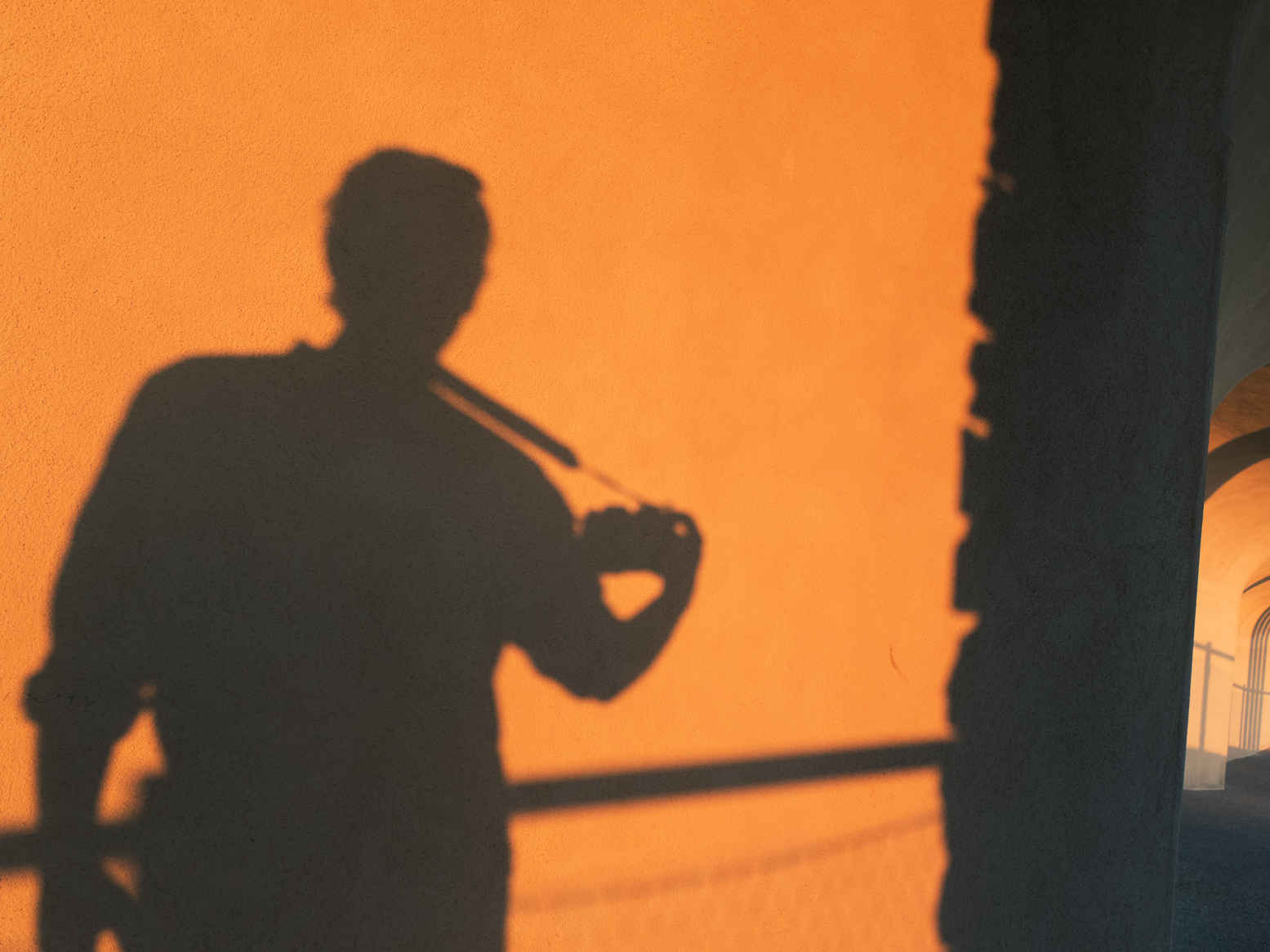
Side-lighting creates long shadows and adds contrast across surfaces, which helps reveal texture, like the roughness of a wall or the shape of someone’s face.

When the light comes from behind, it creates glowing highlights along the edges of your subject. This rim light outlines the shape and separates it from the background. It can help you shape the scene, especially if you’re already using foreground and background elements in your shot.
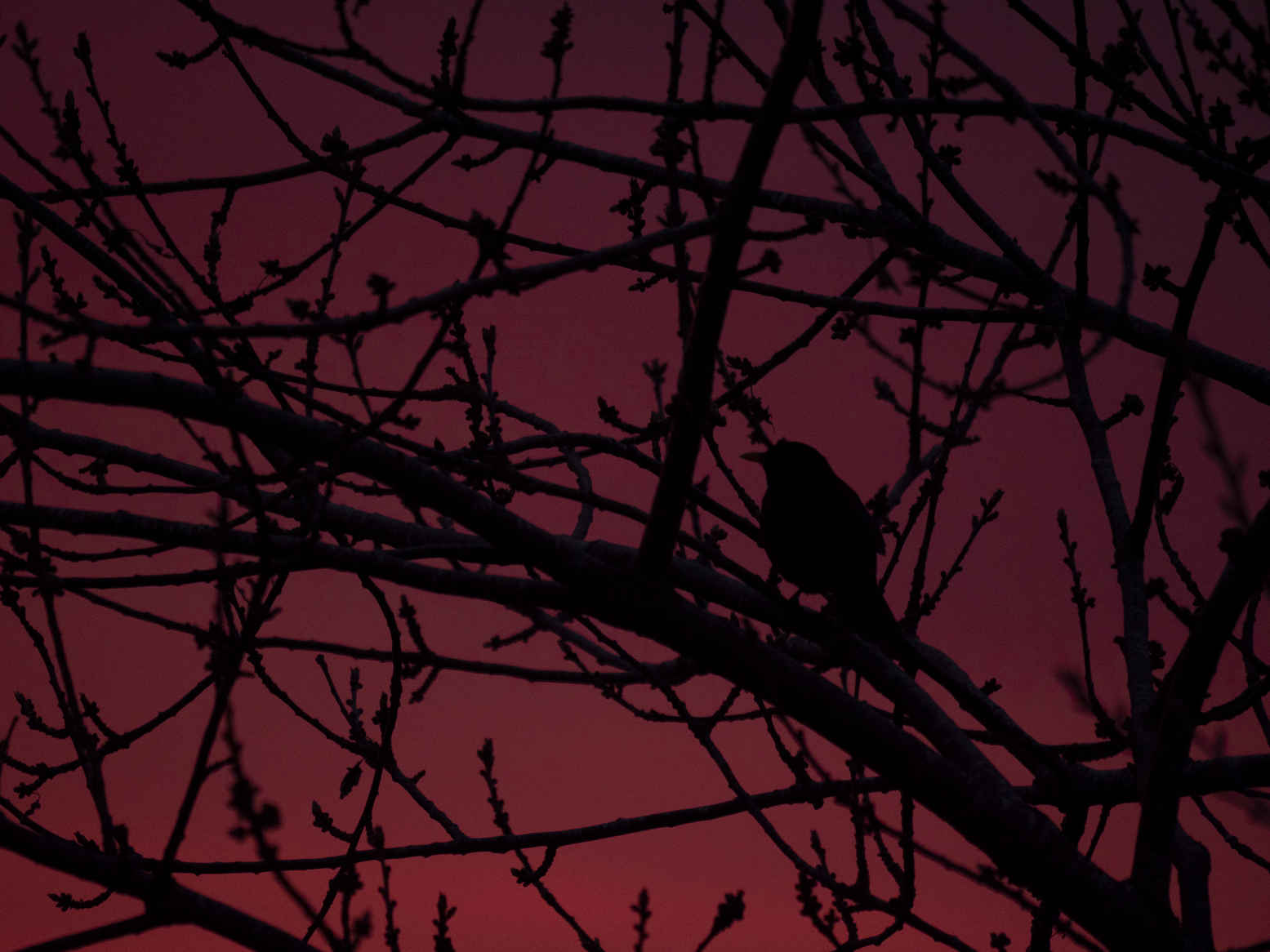
You can also use golden hour for silhouettes. When the sun is behind your subject, set your exposure for the bright sky, not the person or object in front. This turns the subject into a dark shape against the warm background. It works best when the outline is strong, like a bird, a tree, or a person in profile.
Camera Settings and Gear Tips

Magic hour gives you great light, but only if you adjust your camera to match. You’ll need to balance exposure carefully and make choices that work with the changing conditions. These tips help you keep your shots sharp and your colors rich.
- Aperture & mode: Start in aperture‑priority to control depth of field. Use f/4 to f/11 for landscapes. Use f/2.8 or wider for portraits with blur.
- Shutter speed & ISO: Try 1/125 to 1/250 s for handheld shots (or stop down even further for darker, redder/orange tones). As the light drops, use a tripod and slower shutter speeds if needed. Keep ISO at 100–400 to avoid noise, but raise it to 800 or higher if you’re shooting handheld in fading light.
- White balance: Set to Cloudy to warm the tones, or Shade for more richness. Shoot RAW to adjust later.
- Gear essentials: Pack a fast prime lens for low light, a tripod for slower shutters, and a reflector to shape light. An ND filter helps if you want to shoot wide open (like f/1.4) while keeping shutter speed under control in brighter conditions.
- Reflectors help: One photographer suggested having someone hold a reflector to fill shadows quickly.
Where Blue Hour Fits In
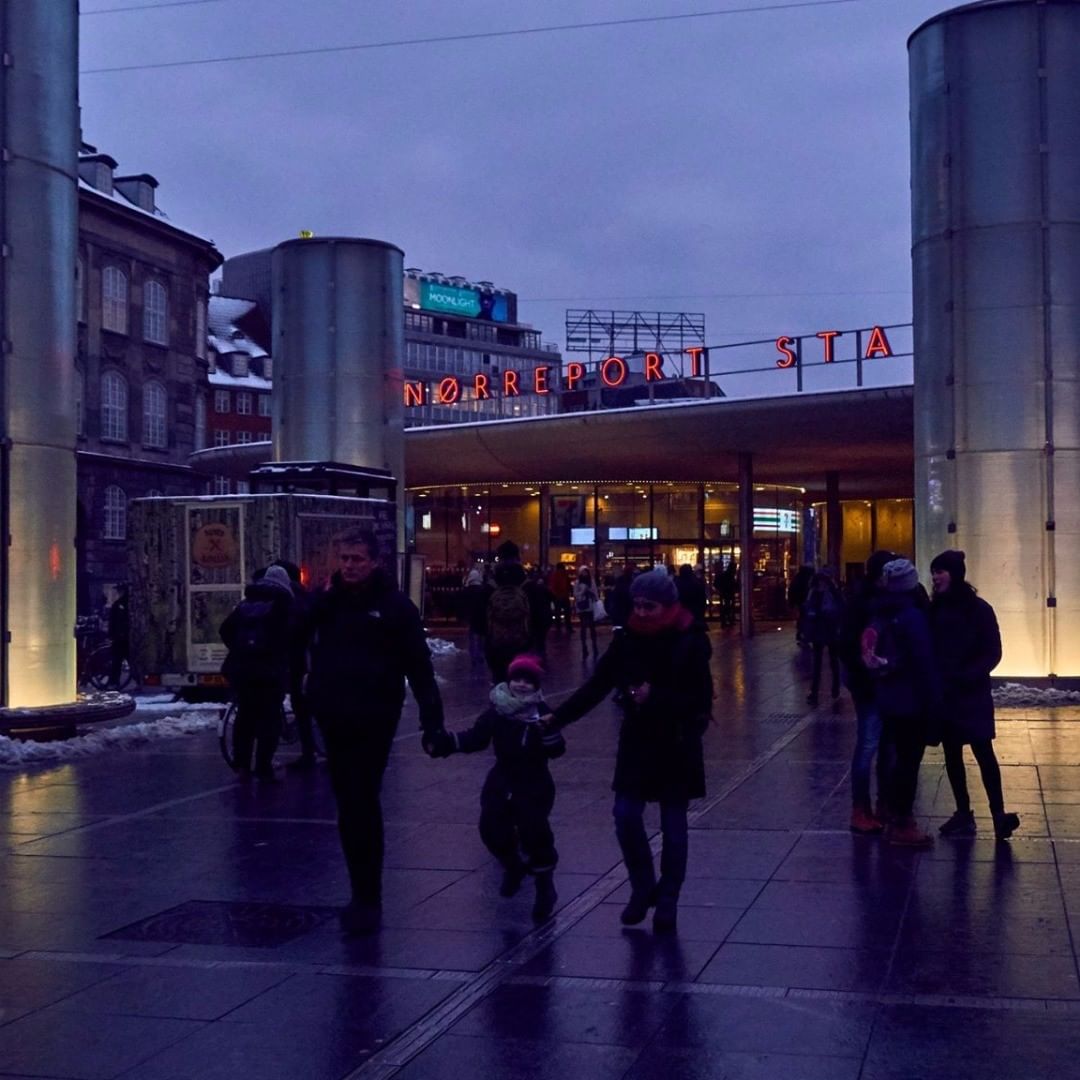
Blue hour is different from golden hour, but it often comes right after. This is when the sun has fully dipped below the horizon. The light turns cooler and more even. It works well for different styles of photography, especially when you want a moody or soft feel.
Blue hour happens when the sun is below the horizon. The sky turns blue or purple. It lasts 20 to 96 minutes, depending on location and season.
Light is cool and soft. There are no harsh shadows. That makes it ideal for moody landscapes or cityscapes with lights.
Summing Up
Magic hour is the brief time just after sunrise or just before sunset when the sun’s low angle creates warm, soft, directional light that lasts only minutes. You plan using sun‑angle tools, arrive early, and use proper exposure settings. A tripod, fast lens, reflector, and composition choices help you use the light effectively. If you include blue hour after magic hour, you can capture even more mood with cool tones and city lights.
Read Next: Want to level up your photography skills?
Explore our Photography section for guides on lighting, composition, camera settings, and creative techniques across genres like portrait, landscape, and street.
Whether you’re shooting on a mirrorless camera or your phone, you’ll find sharp, practical tips to take more intentional and creative photos.
Also check out our Visual Composition section, with deep dives into framing, color psychology, and visual art history—key tools for any photographer thinking like an image-maker.