

Published: September 23, 2025 | Last Updated: July 1, 2026

Overview
Definition: An overstatement is a deliberate exaggeration that makes something sound bigger, worse, better, or more certain than it literally is.
What you’ve seen before: You’ve heard a character talk like the stakes are world-ending, even when the situation is small. The line lands as funny, dramatic, or revealing because the language goes too big on purpose.
Example: In Mean Girls (2004, Paramount), the social world treats lunch seating like a real punishment system, so characters talk about small rules like they are law.
Why it matters: Overstatement shows how a character is reading the moment, not just what happened. You can use it to set tone fast, because exaggeration can push a scene toward comedy, melodrama, or panic. It also sharpens subtext, because the size of the claim can signal insecurity, arrogance, fear, or a need to control the room.
- Key takeaway 1: Make the exaggeration specific, so we can picture the “too big” version.
- Key takeaway 2: Anchor it in a real feeling, so it reads as character, not random noise.
- Key takeaway 3: Control the size of the exaggeration to match your tone. Bigger swings read more comic, more unstable, or more theatrical.
Next, let’s break down how overstatement works on the page, how to write it on purpose, and how it connects to related terms like hyperbole.
What is an Overstatement? Definition & Broader Meaning
An overstatement is a figure of speech that exaggerates a fact or idea beyond what the scene (or real life) supports.
You push a claim past the baseline to signal emotion, attitude, or tone.
Many guides use overstatement and hyperbole as near-synonyms. In practice, it helps to treat hyperbole as the common label for obvious exaggeration, and overstatement as the broader habit of “going too big” with words.
Overstatement works by stretching reality in a way you are not meant to read literally. When you say, “I have a million things to do,” you do not mean a million. You mean you have many tasks and you feel overwhelmed. The exaggeration communicates the pressure fast.
Why overstatement matters for writers
Overstatement matters because it changes how you read a line. It tells you how intense the moment feels to the character, and it tells you what kind of scene you’re in. When you control it, it makes tone and character voice easier to read. When it slips in by accident, it can make the writing feel less believable.
- It sets the emotional volume: the same situation can feel calm or extreme, depending on the words.
- It reveals character habits: one character speaks in absolutes; another stays precise.
- It can support comedy: big claims land as punchlines when the context signals exaggeration.
- It can hurt credibility: if every problem sounds “life or death,” real stakes start to blur.
What counts as an overstatement on the page
Overstatement is easiest to spot when you compare the line to what the scene has proven. In a script, “truth” is simple. It is what you have shown, what the character can reasonably know, and what the genre tone has trained you to accept.
The literal claim and the scene evidence
The line becomes an overstatement when the literal claim outruns the scene evidence. Evidence can be dialogue facts, visual facts, or what the character has lived through so far.
Example: “That meeting lasted forever.” The literal claim is false, but the scene supports the real meaning: it felt long and frustrating.
Scale and baseline
Scale is how big a claim sounds. Baseline is the accurate version of the claim. A simple writing move is to write the baseline first, then push it upward until it matches the tone you want.
Baseline: “That meeting was long.”
Overstatement: “That meeting lasted forever.”
Signals that tell you it is exaggeration
Overstatement lands best when the script gives you a clear signal for how to read it. Without a cue, a reader can take the line too literally and misread the tone.
Common signals include a comedic setup, a heightened genre tone, an immediate reaction line, or a grounded detail that keeps the scene believable.
How to write overstatement on purpose
You can treat overstatement as a craft move instead of a happy accident. The goal is simple: push the line past the baseline, then make sure the scene tells you how to read that push.
- Write the baseline first. State the accurate version in plain language, even if you never keep it.
- Push the claim. Add more certainty, bigger consequence, or bigger scale than the baseline supports.
- Add a reading cue. Use context, a reaction line, or a consistent character habit so the exaggeration reads as intentional.
- Give it a job. Make the overstatement reveal fear, pride, denial, or comic panic. Do not leave it as empty heat.
Sample dialogue:
“If you make me go back in there, I will die on this carpet.”
This line works when the scene has already established a character who complains in extremes. It also works when another character replies with a calmer line that resets the scale.
Visual overstatement in film
Overstatement is not limited to dialogue. Direction, editing, design, and performance can also push the world beyond everyday realism. When that style stays consistent, you accept the bigger rules and you read the emotion at the intended level.

Moulin Rouge! (2001, 20th Century Fox) uses fast cutting, bright production design, and heightened performance during musical numbers, so romance and jealousy feel amplified. The style tells you to read the emotion as large and theatrical.

Mad Max: Fury Road (2015, Warner Bros.) sustains chase intensity for long stretches, with large-scale stunts and relentless forward motion. The film sets a high baseline, so extreme moments still fit the world.
Overstatement vs. related ideas
These terms overlap in casual conversation, so it’s easy to mix them up. Clean definitions help you revise faster because you can name what you’re doing and choose the right fix.
Overstatement vs. hyperbole
Many guides treat overstatement and hyperbole as the same thing. A practical way to separate them in script work is by degree.
Working split: overstatement is any exaggeration where the literal claim exceeds the scene evidence. hyperbole is the extreme end, where the exaggeration is so large that no one is meant to read it as a factual claim.
If you want examples that lean into the extreme end, FilmDaft’s hyperbole guide is a useful companion.
Overstatement vs. understatement
Understatement downplays what is happening. It can create tension or humor because the language stays small while the situation is big. Overstatement pushes the language upward instead.
You can pair them in dialogue for contrast in character voice. One character speaks in extremes; another answers with dry understatement. FilmDaft’s understatement page covers that tool in detail.
Overstatement vs. on-the-nose dialogue
On-the-nose dialogue is direct. A character states what they mean with little cover. Overstatement is about scale and certainty.
A line can be direct and still be well-scaled. A line can also be subtle and still be an overstatement if the moment does not support the size of the claim.
Common misuses and how to fix them
Overstatement goes wrong in predictable ways. The fixes are practical. You can diagnose the cause by checking the scene baseline, the character’s voice habits, and the genre tone.
Accidental melodrama in grounded scenes
Grounded drama can start to read as melodramatic when characters speak at maximum intensity for routine problems. The scene loses variation, and every beat sounds equally extreme.
Fix it by lowering the claims and keeping the emotion. Let the character feel a lot, but write language that fits what the scene has shown. FilmDaft’s melodrama article can help you separate a deliberate heightened style from a mismatch in tone.
Overclaiming in nonfiction voice
In essays, journalism, and analysis, overstatement often shows up as certainty words your evidence cannot support. The line sounds confident, but it breaks trust when someone checks the facts.
Watch for words like “proves,” “always,” “never,” and “everyone.” Replace them with language that matches what you can defend. “Suggests,” “in this case,” and “often” can be more accurate.
Comedy without grounding
Comedy can handle huge overstatements, but it still needs a baseline that feels real inside the scene. Without grounding, the exaggeration turns into noise and the joke stops landing.
A revision pass you can run on any draft
This pass is a quick way to spot accidental overstatement and keep the lines you actually want. It works for scripts, essays, and dialogue-heavy scenes.
- Underline absolute words: “always,” “never,” “everyone,” “no one,” “ruined,” “perfect.”
- Write the baseline beside each line: one plain sentence that states the accurate claim.
- Check the cue: does the scene clearly signal exaggeration through context or reaction?
- Check the voice: does this level of exaggeration match how the character speaks elsewhere?
- Check the stakes: does the claim match what the scene has shown right now?
If you want the broader category overstatement sits inside, FilmDaft’s figurative language guide can help you separate literal description from deliberate non-literal phrasing.
Examples of overstatements in movie dialogue
Overstatement shows up constantly in film dialogue because it compresses emotion into a single line. You hear it when a character wants attention, wants control, wants to scare someone, or wants the room to take them seriously.
Mean Girls (2004, Paramount): “rule” overstatement
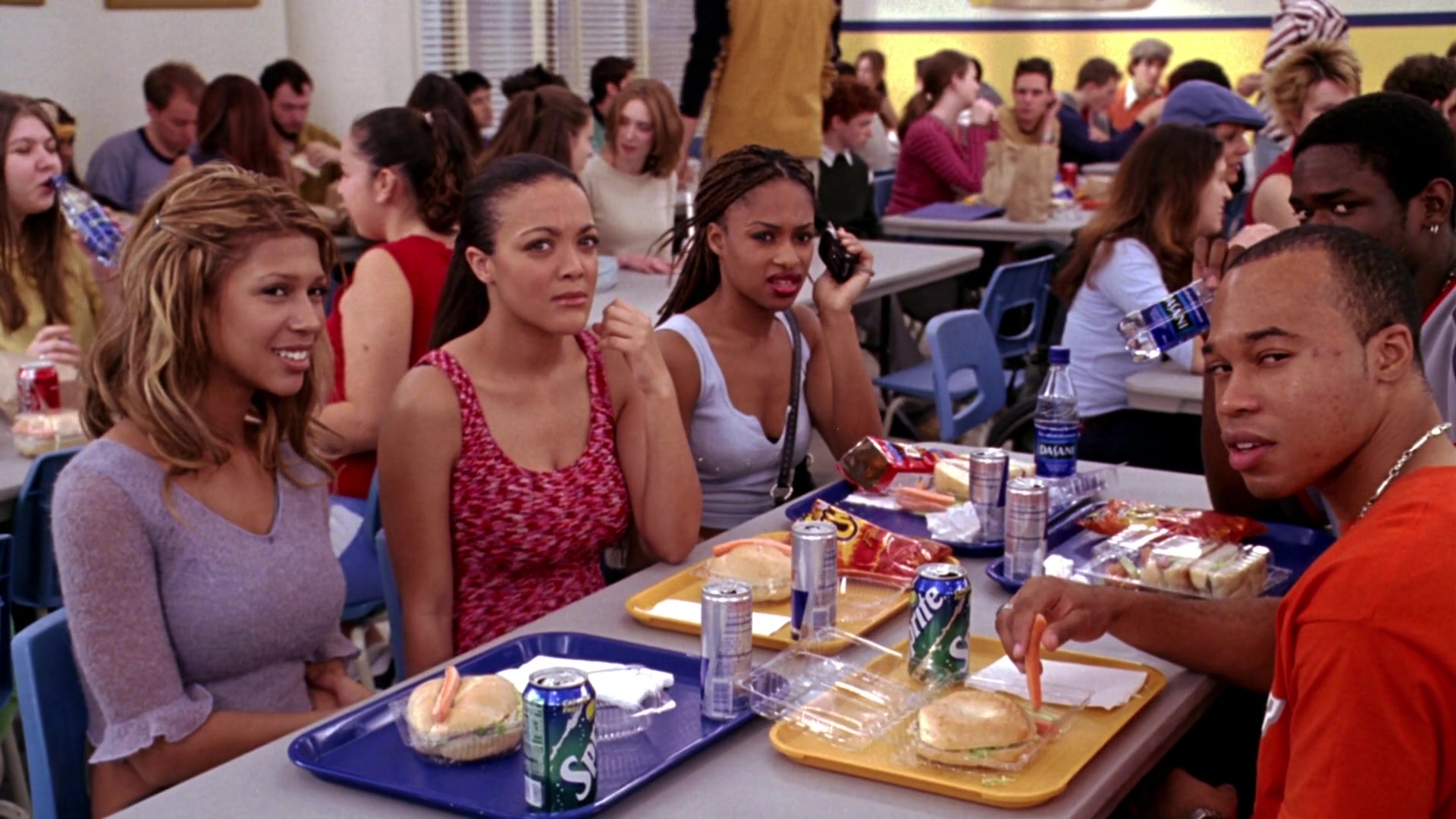
Mean Girls (2004, Paramount) treats social status like politics, with rules, hierarchies, and consequences. The film keeps proving those rules through action, so extreme lines about popularity still fit the world.
On Wednesdays, we wear pink.
Source: Mean Girls (2004, Paramount), dialogue.
This line is funny because it treats a normal outfit choice like a law. You understand the group’s status because they can invent arbitrary rules and expect people to obey.
Now, if you break any of these rules, you can’t sit with us at lunch.
Source: Mean Girls (2004, Paramount), dialogue.
This makes the stakes explicit inside the school’s social logic. “Punishment” is exclusion, so fashion details become serious threats for anyone who wants safety and status.
You can’t sit with us!
Source: Mean Girls (2004, Paramount), dialogue.
This line shows enforcement in public. The rule is not just a joke. The group uses it to control space and status, which keeps the exaggeration consistent across scenes.
Titanic (1997): joy as overstatement
I’m the king of the world!
This works as overstatement because the literal claim is impossible, but the feeling is real. Jack is riding a once-in-a-lifetime high, so the line goes bigger than reality to match the rush.
Beauty and the Beast (1991): boasting as overstatement
Gaston’s “eggs” line is an overstatement because it turns everyday eating into a superhuman brag. The point is not math. The point is ego. He performs confidence by saying something no normal person could do.
Elf (2003): praise as overstatement
You did it! Congratulations! World’s best cup of coffee. Great job, everybody.
Buddy’s praise is funny because it treats a basic coffee shop claim like a historic achievement. The exaggeration reveals Buddy’s innocence and his habit of turning small things into celebrations.
Overstatement examples from drama and thriller films
So far, the examples have leaned comedic or joyful, because comedy can handle huge exaggeration. Drama and thrillers use overstatement too, but it often plays as pressure, dominance, or conviction instead of a joke.
In drama and thrillers, an overstatement is a line that goes “too big” on purpose. It can work like a pressure release. When a character is cornered, scared, furious, or trying to take control, they often speak in absolutes.
Taken (2008): threat as overstatement (certainty plus extremity)
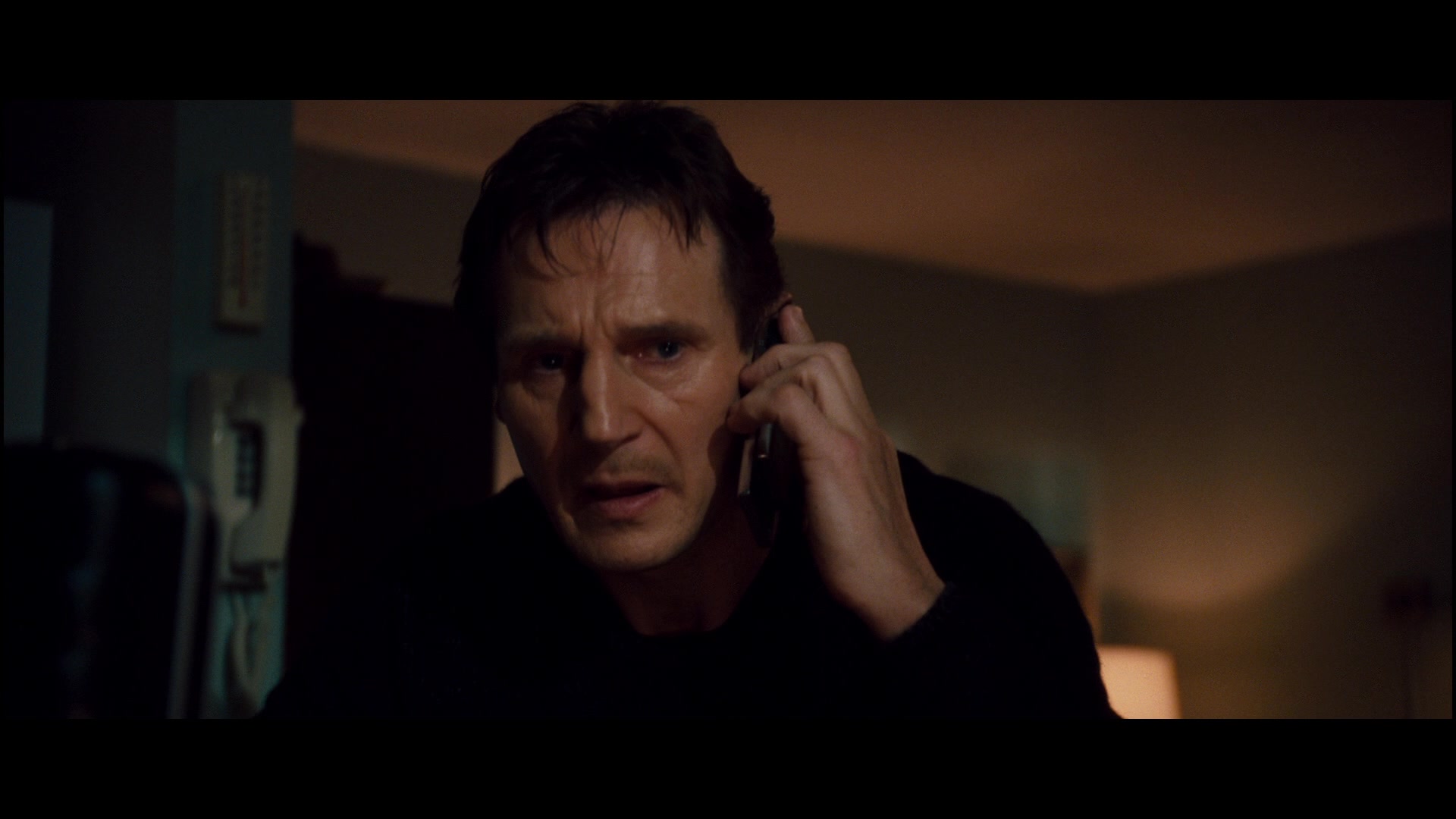
But if you don’t, I will look for you, I will find you, and I will kill you.
Bryan Mills
Why it’s an overstatement: A realistic baseline is “I’ll do everything I can.” This line refuses uncertainty. It stacks absolute certainty (“I will”) with the most extreme consequence (death), said like it is guaranteed.
What it does in the scene: It defines him in seconds: calm, precise, and unshakable. It also locks the scene into a life-or-death frame, so the threat lands as real.
Writing takeaway: Use overstatement to compress character and genre promise into one line. Push two dials at once: certainty and consequence.
A Few Good Men (1992): courtroom overstatement (dismissal plus dominance)
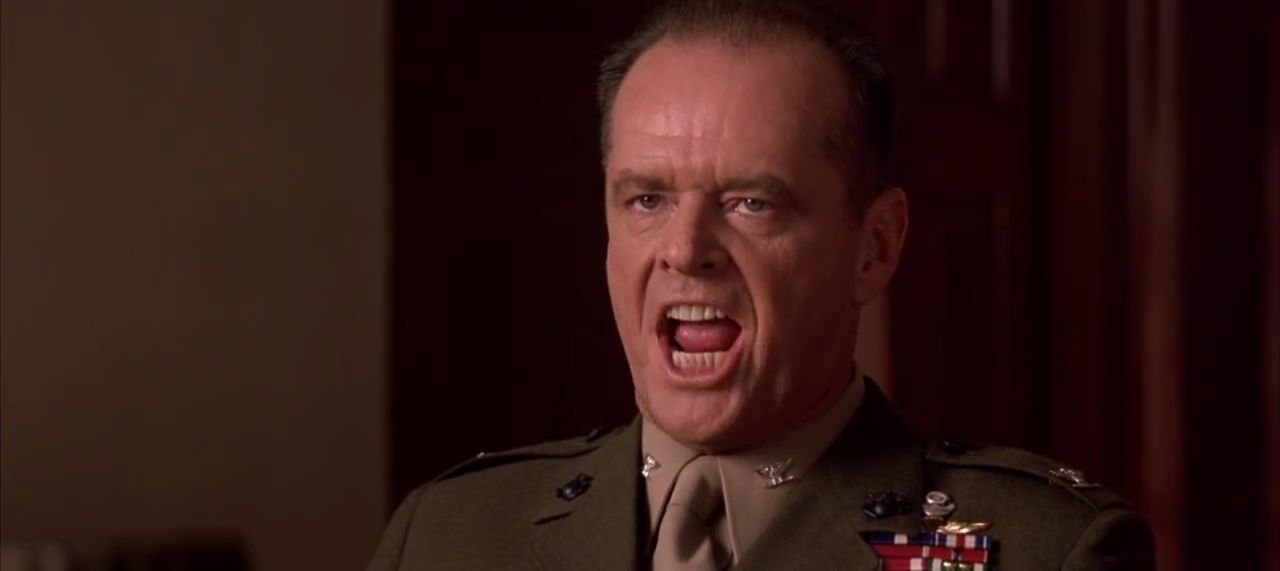
You can’t handle the truth!
Colonel Jessep
Why it’s an overstatement: He does not argue the facts. He jumps to a total verdict on the other person’s ability. It is not “You’re wrong.” It is “You are not built for this.”
What it does in the scene: It tries to win by force, not proof. The line is an attack that claims control over what counts as reality in the room.
Writing takeaway: In drama, overstatement often shows up when a character feels exposed. Going absolute can be a last move to grab control back.
The Dark Knight (2008): ideological overstatement (universal rule)

You see, madness, as you know, is like gravity. All it takes is a little push!
The Joker
Why it’s an overstatement: The line flattens messy human behavior into a clean “law.” It suggests anyone can be tipped into madness with a small shove, like physics always works the same way.
What it does in the scene: It turns cruelty into a theory. The conflict grows beyond one person versus one person. It becomes a fight over what people are “really” like.
Writing takeaway: Give villains overstatements that sound like rules. A bold universal claim is a challenge. It dares the story to prove them wrong.
Frequently Asked Questions
What is an overstatement in simple terms?
An overstatement is saying something in a stronger, more extreme way than the facts warrant, exaggerating for emphasis or effect.
What is an example of an overstatement?
Saying “I’m starving” when you are only a bit hungry, or “this is the best day of my life.” Pushed to an obvious extreme, an overstatement becomes hyperbole.
What is the difference between an overstatement and hyperbole?
Hyperbole is overstatement taken to an obvious, often impossible extreme (“I could sleep for a year”). All hyperbole is overstatement, but mild overstatement is not always hyperbole.
What is the difference between overstatement and understatement?
Overstatement exaggerates and makes something bigger; understatement downplays and makes it smaller. They are opposites.
Why do writers use overstatement?
To add emphasis, humor, or intensity, and to signal strong feeling in a memorable way.
Summing up
An overstatement is deliberate exaggeration you are not meant to read literally. It works because it pushes a line past the scene baseline, which can signal emotion, reveal character voice, or set tone fast. In comedy, overstatement often lands as a punchline. In drama and thrillers, it often lands as dominance, panic, or conviction. If you control the baseline and give the line a clear cue, the exaggeration reads as intentional instead of accidental melodrama.
Read Next: Want to dig deeper into screenwriting?
Start with the Screenwriter’s Toolkit on literary devices vs. elements – a deep resource covering every major literary device and element used in writing.
Then explore our collection of practical writing techniques covering dialogue, structure, and pacing.
Or jump into the free screenwriting course to start your first draft today.
You can also head back to the Screenwriting section for more tools, theory, and breakdowns.