

Published: December 16, 2025 | Last Updated: December 17, 2025

What is a unit still photographer? Definition & Meaning
A unit still photographer is the on-set photographer who creates high-resolution still images of a film or TV production for marketing, press, archives, and on-screen photo props. These photos support release, publicity, and production records. You cannot count on video frame grabs to cover every need. Marketing often needs clean faces, clean backgrounds, and flexible crops that hold up in print and press layouts. A unit still photographer is considered a below-the-line crew role.
If you want a bigger picture of where this job sits, see FilmDaft’s film set roles guide and the breakdown of above-the-line vs. below-the-line roles.
So What Does a Unit Still Photographer Produce?
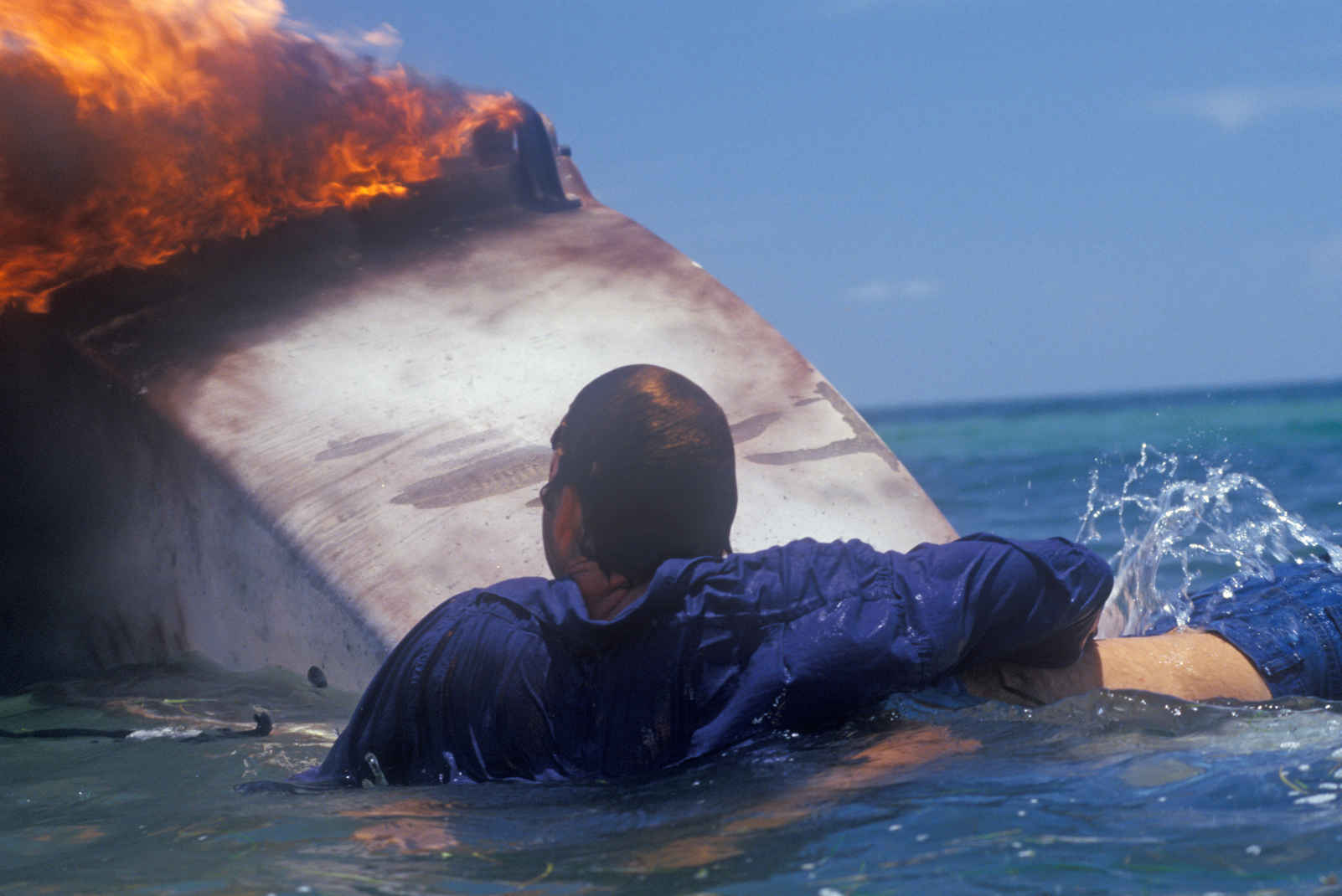
Unit still work covers several deliverables. Each one exists for a specific use, so you plan what you need before you start shooting.
Publicity stills
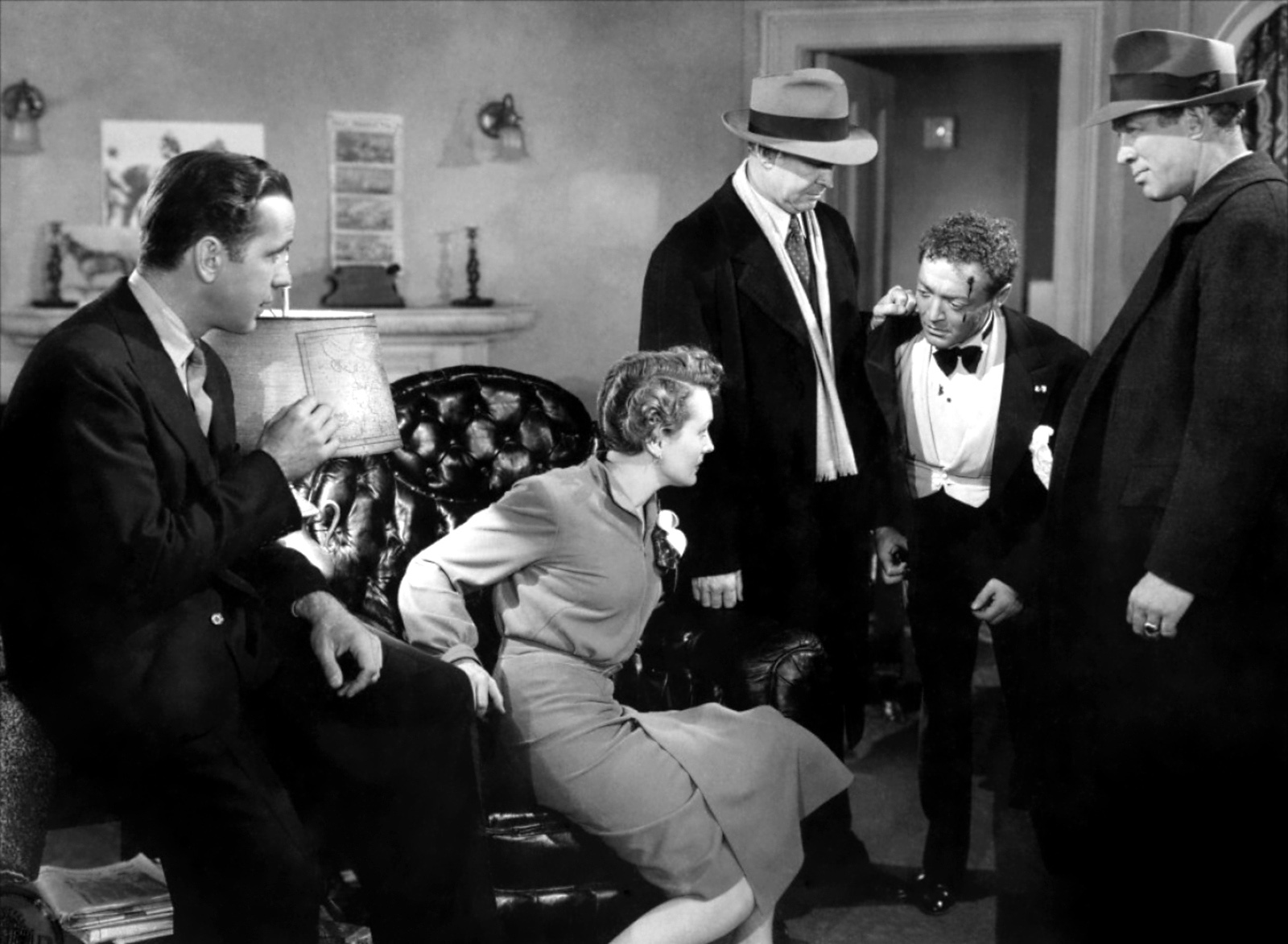
Publicity stills look like the finished scene. You shoot them to match the lighting, wardrobe, and actor moment, and you aim for frames that can live on posters, thumbnails, and press pages.
- Hero moments: Sharp eyes, clear faces, and readable action. For example, a clean close-up at the emotional peak of a scene.
- Character coverage: Each main character in their key wardrobe. Include a neutral expression and a stronger moment so marketing has options.
- Relationship shots: Two-shots and group shots that show distance, closeness, or tension. For example, one character turned away while the other leans in.
- Location coverage: Wide frames that show the set and the mood, plus a few details that show key set dressing.
- Layout-friendly frames: Some images with negative space so a designer can place text without covering a face.
- Both orientations: Horizontal and vertical versions, when possible.
Behind-the-scenes stills
Behind-the-scenes stills show the work around the camera. You shoot them between takes and during setups. You choose moments that explain the job of each department without exposing spoilers.
- Director and cast moments: Notes, blocking talks, rehearsals, and resets.
- Department work: Makeup touch-ups, costume fixes, props handoffs, and set adjustments.
- Gear and process: Camera rigs, lighting setups, and safe stunt prep, where the production allows it.
Set stills and continuity reference photos
Some stills exist to record details. These photos help you match continuity across takes, pickups, and reshoots. They also help departments rebuild the same look later.
- Wardrobe details: Buttons open or closed, stains, jewelry, and watch placement.
- Props and set dressing: Object placement, labels, and scene-specific damage or mess.
- Makeup and hair notes: Wound shapes, blood placement, and hair part direction.
- Background records: Wide reference frames that show the whole space for later matching.
Photo props for on-screen use
Some productions need photos that appear on camera. You create these so they match the project’s world and hold up at the required print size or screen size.
- ID photos: Licenses, badges, passports, and school IDs.
- Family photos: Framed portraits or album images used as set dressing.
- News and evidence photos: Images for articles, case boards, files, and screens.
- Phone photos: Images that need the right crop and the right “casual” feel for a phone gallery.
Special publicity shoots and portraits
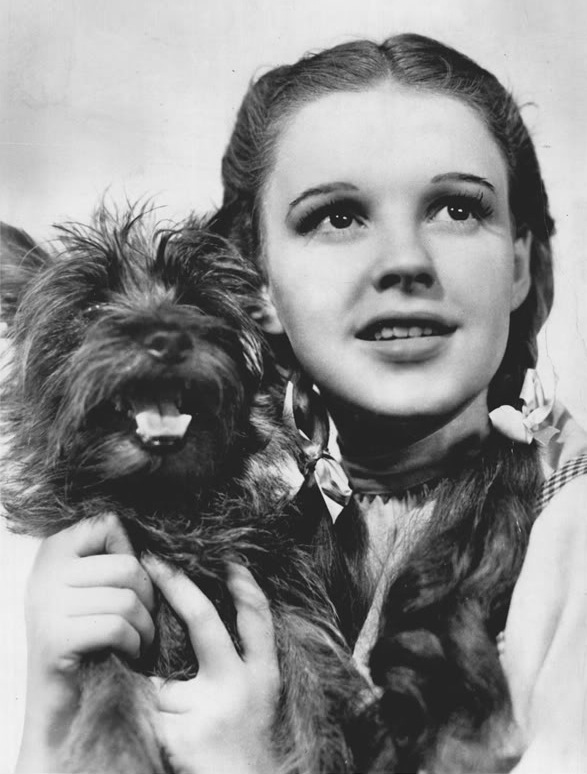
Some projects schedule a separate stills session. These shoots give you more control over background, posing, and time. They are useful for cast portraits and clean campaign images.
- Portrait sets: Clean images of cast for electronic press kits and thumbnails.
- Campaign options: Multiple expressions and crops so marketing can test layouts.
Press selections
Press often receives a curated set of approved stills. This package is easier to publish because the images are spoiler-safe and already cleared for release.
Day-to-Day Responsibilities
The job has three phases: prep, shoot, and deliver. Your value is speed plus organization. Great photos do not help if nobody can find them or use them.
Before the shoot
People sometimes think this job is glamorous. The reality can be long days, remote locations, and tough conditions. You work close to the director, actors, and camera crew. You also work near the boom operator. That means you must stay quiet. You do not want your camera noise recorded in dialogue (more on this later).
Pre-production turns “take photos” into a plan. You decide what must be covered, and you choose when you can get it without slowing the schedule.
- Read the script: Mark must-have moments, hero wardrobe, key props, and spoiler scenes.
- Study the schedule: Flag days with new cast, new locations, stunts, or special makeup. Strong project planning keeps stills coverage realistic.
- Define deliverables: Agree on publicity still priorities, BTS coverage, portraits, and photo props.
- Confirm access rules: Ask who approves your position and when you can shoot during takes.
- Confirm delivery speed: Decide if the production wants same-day selects or next-day selects.
During the shoot
On set, your job is timing and restraint. You shoot when the frame is clean, and the performance is strong. You also avoid anything that risks sound or safety.
- Shoot from approved positions: Ask the AD team where you can stand for each setup.
- Match the scene angle: Stay close to the A-camera line so your still matches the scene’s direction and eye lines.
- Prioritize clean faces: Wait for an unobstructed face and a strong expression, then shoot.
- Capture BTS between takes: Get real work moments without interrupting departments.
- Watch spoilers: If a reveal is on camera, separate those images right away.
After each shooting day
Daily delivery is common. Your images only help if they are searchable, creditable, and safe to share inside the production.
- Ingest and back up: Copy cards, verify files, and back up to production-approved storage.
- Edit selects: Choose sharp images with readable expressions and clean backgrounds.
- Caption clearly: Include actor name, character name, and a short spoiler-safe description.
- Add metadata: Embed credit fields so images keep the correct attribution across teams.
- Deliver securely: Use the approved transfer method and limit access to the people who need the files.
After wrap
At wrap, you package the library so it stays useful for months. Marketing keeps pulling stills long after production ends, so the archive needs a structure that makes sense to someone who was not on set.
- Organize the archive: Sort by shoot day or scene, then split publicity, BTS, and continuity into separate folders.
- Create a best-of set: Provide a tight set of approved images that represent the project well.
- Lock credit rules: Confirm the required credit line and any embargo rules for release.
Set Etiquette You Must Follow
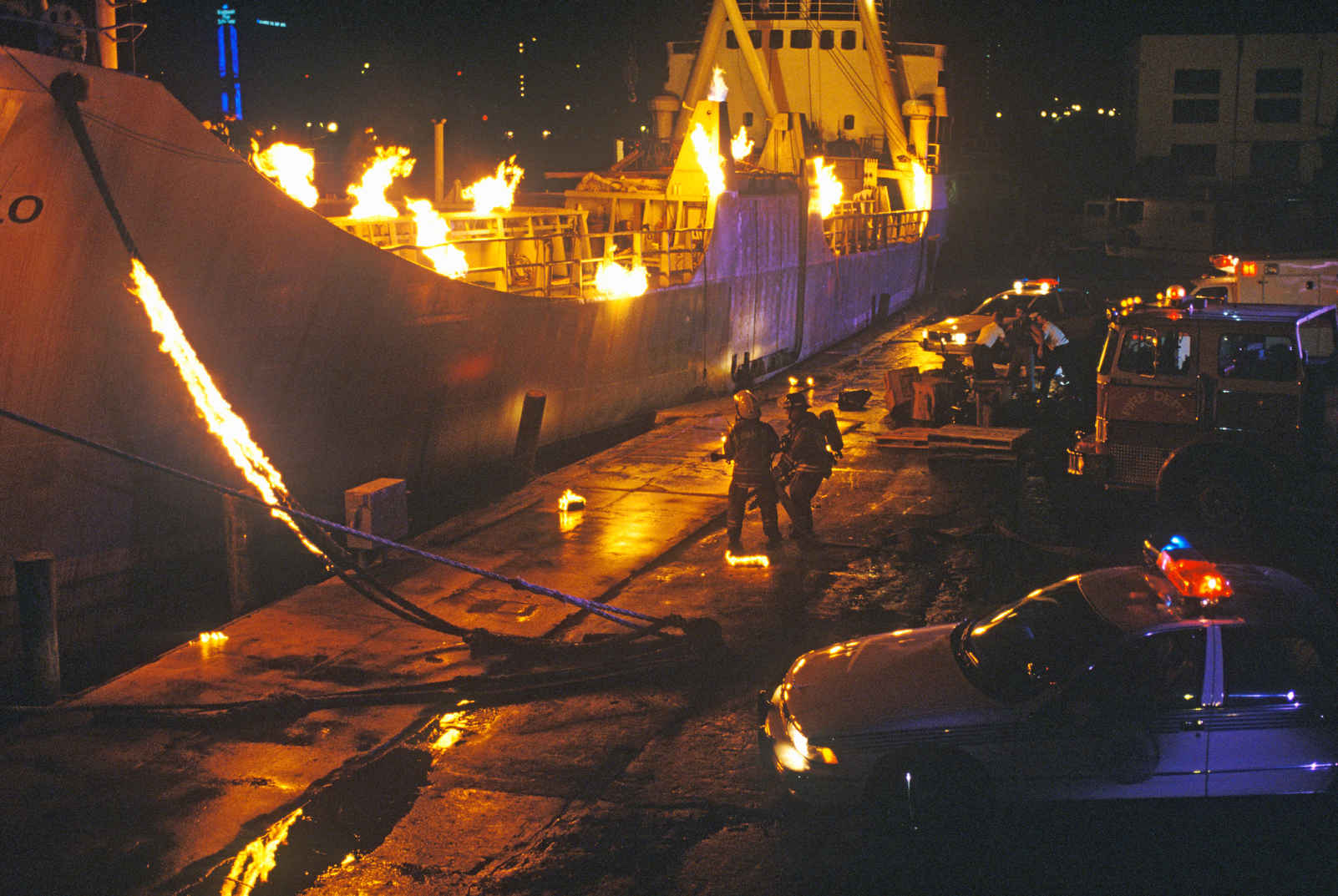
This role depends on behavior. If you slow the day or break silence, you lose access fast. A good still photographer protects the set.
Silence and “no flash” rules
Flash can break lighting continuity and distract actors. Shutter noise can ruin dialogue takes. Use silent capture options, disable beeps, secure loose straps, and follow sound calls.
Before mirrorless cameras, unit photographers often used a camera muzzle or sound blimp to stay quiet on set. Now, mirrorless cameras have made quiet work easier. Some models support remote control from a phone or tablet.
Many also offer quieter shooting modes using only the electronic shutter. This can help you work close to the camera and sound team without adding noise. Although be aware that shooting with a quiet electronic shutter may cause banding issues depending on the lighting used in the scene. So it’s not always an option.
Stay out of camera and sound paths
You never step into the lens line or the boom line. When you need a tighter frame, use a longer lens from a cleared position. Do not drift toward actor marks or camera moves.
Privacy, spoilers, and confidentiality
Some images can reveal twists, special makeup, surprise cast, or key set pieces. Put spoilers in a separate folder, tag them clearly, and only release images after written approval from production publicity.
Unit still work often comes with confidentiality rules and approval steps. Ownership and usage rights depend on your contract and your work status. Some agreements assign rights to the production. Others license usage. Get the terms in writing before you shoot, and ask a qualified entertainment lawyer when the stakes are high.
Captions, Metadata, and Delivery Standards
Good photos can still fail if they are hard to search or hard to credit. Captions and metadata keep your images usable across marketing, press, and archives.
A simple caption template you can follow
Write captions that answer who, what, and where. Keep the format consistent across the full shoot.
- Who: Actor name as character name.
- What: Short description of the moment, and keep it spoiler-safe.
- Where: Location or scene context when the production wants it.
- Credit line: Use the production’s required wording.
- Restrictions: Note embargo dates or spoiler labels when needed.
Metadata fields that prevent credit loss
Embed the basics so the image keeps its identity after it gets shared and downloaded.
- Creator: Your name.
- Credit line: The exact credit format the production wants.
- Copyright notice: The rights statement from your contract.
- Caption: A clear description with names and context.
- Keywords: Character names, actor names, location names, and “BTS” or “Publicity.”
Hiring and Contract Checklist
If you hire a unit still photographer, define the job before day one. Clear expectations prevent conflict and prevent missed hero coverage.
- Coverage priorities: Which scenes, characters, and locations need hero stills.
- Extra assets: Photo props, continuity references, portraits, and any special stills session.
- Delivery plan: Same-day or next-day selects, plus final archive delivery after wrap.
- Approval path: Who signs off on images for release, and how spoilers are handled.
- Rights: Media use, territory, term length, paid advertising use, and exclusivity if any.
- Portfolio terms: If the photographer can show images, and when that becomes allowed.
- Costs: Day rate, gear fee if relevant, overtime, travel, assistants, and storage.
Releases and Permissions That Affect Unit Stills
Unit stills often end up in marketing, press, and client-facing places. That makes permissions a real part of the job. If the production handles releases, you still need to understand what each form clears.
When you need a release for people in stills
If an identifiable person appears in a still and the image will be used for promotion, the production often needs a release that covers commercial use. FilmDaft’s guides can help you sort the terms fast: model release form, talent release form, and photo release form.
When a location or property can cause clearance problems
Unit stills can feature recognizable interiors, artwork, and branded spaces. If that still becomes a key marketing image, clearance risk rises. See FilmDaft’s guides on the property release form, the location release form, and property release vs. location release.
If your stills rely on location access, FilmDaft’s location scouting section and the location manager job guide can help you understand who owns the permission process.
Unit Still Photographer vs. BTS Video
Both roles can exist on the same shoot. They solve different needs, so you plan them as separate deliverables.
Why frame grabs often fall short
Frame grabs can work in some cases, but they often fail for press and print needs. Motion blur, compression, and limited crop options reduce flexibility. Frame grabs also do not come with the same captions and credit workflow.
What stills cover that video does not
Unit stills give marketing clean options. You can deliver multiple expressions, multiple orientations, and layout-friendly frames that hold up at larger sizes. This matters in client work too, especially in campaigns tied to brand photography.
How to Become a Unit Still Photographer
If you want this role, build skills that match set reality. You need silent capture, low-light control, strong focus discipline, and reliable delivery habits.
Union Work Requires You To Be Part of a Union
In North America, some union shows and studio lots may require the unit still photographer role to fall under IATSE Local 600 (International Cinematographers Guild) rules. Requirements can change by contract and location. Ask the production office what agreement the show is under before you accept the job.
Some still photographers also join the Society of Motion Picture Still Photographers (SMPSP). It is a professional group that promotes motion picture still work.
Build a portfolio that matches the job
Your portfolio should prove you can cover a working set. Show the same categories a production will ask you to deliver.
- Publicity-style frames: Scene-matching images with sharp faces and clean backgrounds.
- BTS coverage: Real department work with clear context.
- Continuity references: Detail shots that prove you can record usable information.
- Portrait samples: Clean portraits that look ready for press kits.
Learn set flow and the chain of command
Call sheets tell you what is happening and when. Learn who controls access, and ask before stepping onto set. If you need a refresher on how daily set logistics work, start with FilmDaft’s guide to a call sheet.
Get your terms clear early
Rights and approvals matter in unit still work. Ask what you can show in your portfolio, what you must keep private, and when you can post anything.
Summing Up
A unit still photographer creates still images that support marketing, press, archives, and on-screen photo needs. You shoot publicity stills, BTS coverage, continuity references, and photo props when required. You protect silence, you respect boundaries, and you deliver organized files with captions and metadata so the images stay usable across the full release cycle.
Read Next: Not sure who does what on set?
Check out our Crew Roles & Equipment section to learn how each department runs, from lighting and sound to camera rigs and on-set protocols.
For a full behind-the-scenes breakdown, explore the entire Production archive and see how everything comes together during the shoot.
