

Published: November 10, 2025 | Last Updated: December 2, 2025

What is a take in film? Definition & Meaning
A take in film is a single, uninterrupted recording of a shot, captured from the moment the camera starts rolling to when it stops. Each take captures a version of the actors’ performance, camera movement, lighting, and timing. You record multiple takes to explore different versions and choose the strongest one during editing.
Why Directors Use Multiple Takes
Directors use multiple takes to refine the scene. Each version gives you a chance to adjust performance, improve technical elements, or try something new.
You might want different emotions, better focus, or tighter timing. Some directors keep filming until the moment feels right.
Directors Known for Many Takes
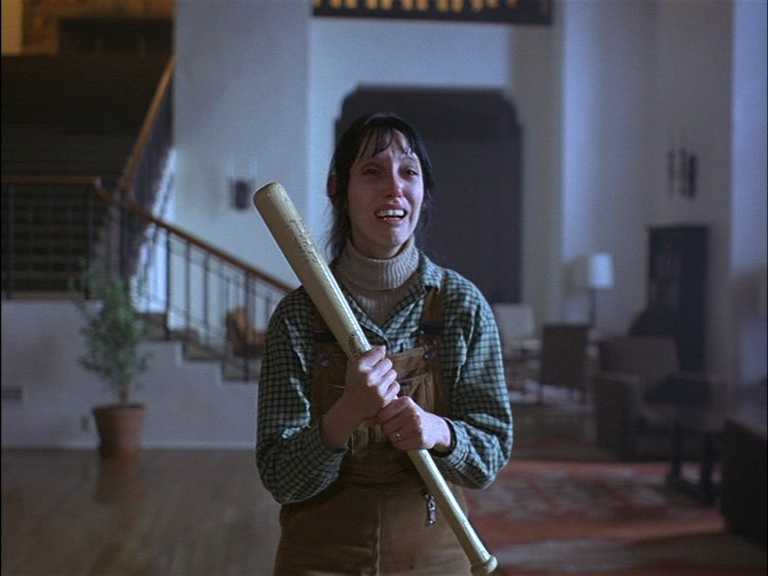
Some directors are known for filming an unusually high number of takes to get exactly what they want. Stanley Kubrick often pushed actors through dozens of takes to strip away rehearsed emotion. On The Shining (1980, Warner Bros.), he reportedly filmed Shelley Duvall’s staircase scene 127 times. His goal was to reach something raw and unpredictable.
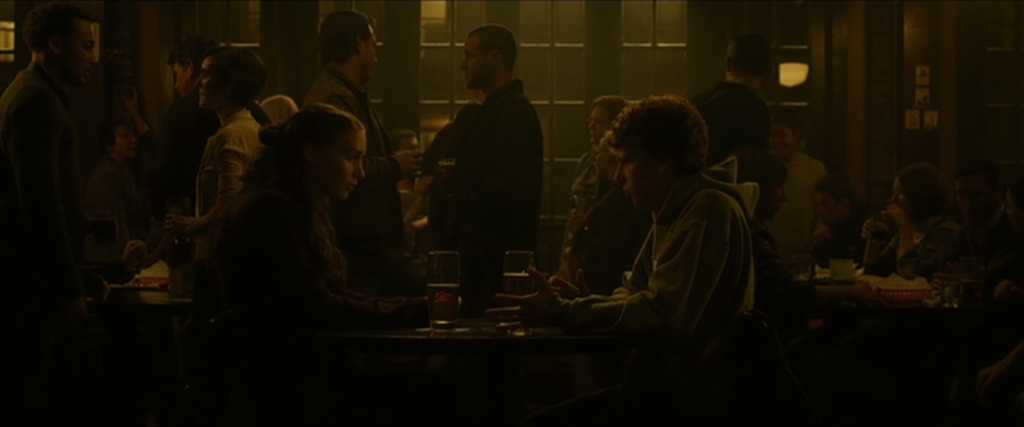
In The Social Network (2010, Columbia), David Fincher filmed the opening breakup scene 99 times to get the rhythm exactly right. Of course, some takes were partial resets, not necessarily 99 full-length performances. Each take gave him and editor Angus Wall a new option to work with.
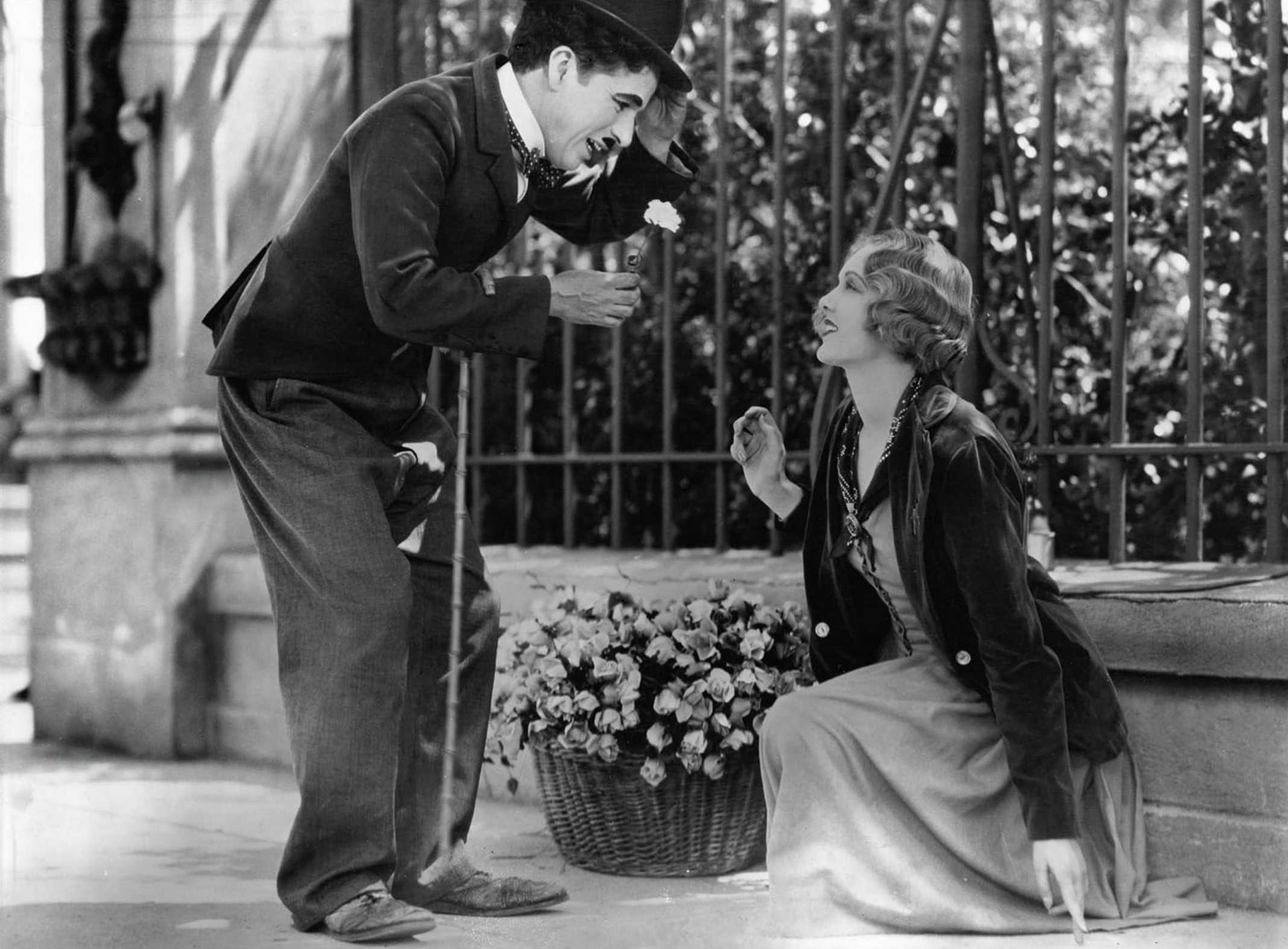
Charlie Chaplin was just as exacting. On City Lights (1931, United Artists), the street-side flower scene with the blind girl reportedly took over 300 takes.
How Takes Are Tracked on Set
Every take is carefully logged. The clapperboard (aka film slate) shows the scene, shot, and take number before each recording. When it snaps shut, it helps sync the sound and picture.
The script supervisor writes notes about each take, what went well, what needs fixing, and which takes are marked as favorites for editing.
Take vs. Shot: What’s the Difference?
A shot is the planned setup: the framing, angle, lens, and movement. A take is one recorded attempt of that shot. If you record the same shot five times, you have five takes. The setup stays the same; the performances or timing may change.
Say you frame a close-up of a character opening a letter. You film it once—that’s Take 1. You reset and film it again—that’s Take 2 of the same shot.
Types of Takes
Not all takes serve the same purpose. Some capture the full scene. Others focus on coverage or corrections.
- Master Take: A wide or full version of the entire scene, often used as a base layer in editing.
- Coverage Takes: Recorded from different angles or closer shots to give editors more options.
- Pick-Up Take: A smaller portion of the scene re-recorded to fix a mistake or match continuity.
- One-Take: A shot completed in one attempt, either by design or luck.
Long Takes vs. Short Takes
Long takes play out without a cut for a longer duration. These are usually choreographed carefully and require strong coordination between cast and crew.
Short takes are more common. These are quick recordings of a shot, often used for coverage or dialogue scenes. You can shoot multiple short takes in a row and cut between them for rhythm and clarity.
How Takes Affect the Edit
After filming, the editor reviews all takes and selects the one that works best. This choice depends on performance, timing, technical quality, and how it fits with the other shots in the scene. Editors often combine parts of different takes to build one strong final version.
For example, you might like the actor’s facial reaction in Take 3, but prefer the camera movement in Take 5. If coverage allows, you can cut between them to keep both moments.
Summing Up
A take is one recorded attempt at a shot. You shoot multiple takes to give yourself options in both performance and technical quality. On set, every take is tracked and labeled. In the edit, each take becomes a tool you use to shape the final scene. Understanding helps you make better decisions on set and in post-production.
Read Next: Want to explore more shot types?
Browse all camera shots and angles, or see more cinematography techniques on lenses, lighting, and composition.
New to shot types? Read our Camera Angles FAQ for quick answers and visual examples.
