
Reading Time: 5 minutesThe match cut is one of editing’s most elegant moves, and one of the most misused words in film writing. A real match cut is a hard cut that links two shots through a shared shape (a graphic match), a continued movement (a match on action), or a carried-over sound or line (a sound bridge).… Continue reading The Best Match Cut Examples in Film: 10 Genius Transitions from Cinema History
editing
Best Jump Cuts in Film: 9 Scenes Worth Studying
Reading Time: 4 minutesA jump cut snips a chunk of time out of a single continuous shot, so the subject seems to lurch forward in place. It breaks the invisible smoothness that classical editing works so hard to protect, and that is precisely why it works: used well, a jump cut turns editing itself into a feeling, restlessness,… Continue reading Best Jump Cuts in Film: 9 Scenes Worth Studying
The L-Cut and J-Cut: How Film Editors Use Audio to Control Time
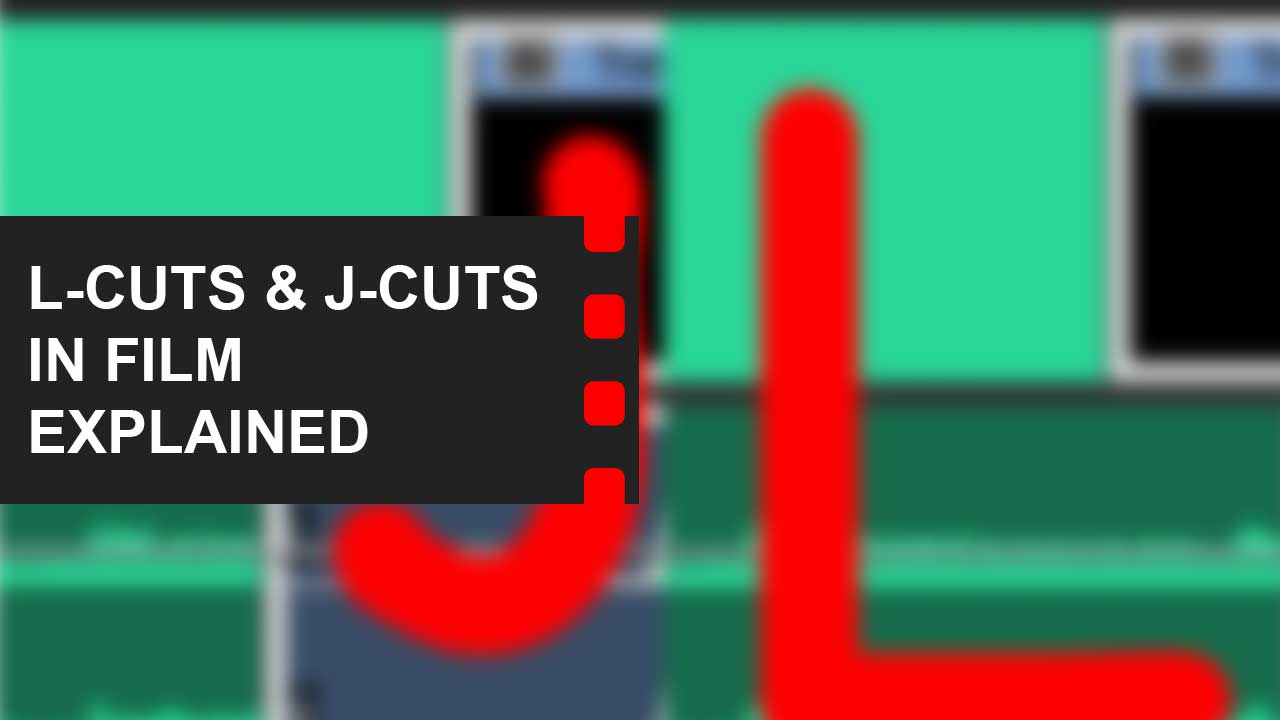
Reading Time: 7 minutesThe L-cut and J-cut let editors separate audio and picture to control exactly what an audience feels before they see it. Here is how the pros use them.
Elliptical Editing: How Films Compress Time Into Seconds

Reading Time: 6 minutesA bone flies into the air. Cut. A spacecraft drifts silently through orbit. In one edit, Stanley Kubrick skipped four million years of human history, and it remains the most audacious time jump in cinema. That’s elliptical editing at its most extreme, but the technique works just as well across a single afternoon. What Is… Continue reading Elliptical Editing: How Films Compress Time Into Seconds
Rhythmic Editing: How Cut Timing Controls the Audience
Reading Time: 6 minutesYou feel it before you understand it. The cuts are coming faster now, the music is tightening, something is building, and you’re leaning forward in your seat without having consciously decided to. That’s rhythmic editing doing its job: using the tempo of cuts to control your nervous system. What Is Rhythmic Editing? Definition and Meaning… Continue reading Rhythmic Editing: How Cut Timing Controls the Audience
The Invisible Cut: How Editors Hide Transitions in Plain Sight

Reading Time: 6 minutesSome films feel like they were shot in a single breath, no visible cuts, no interruptions, just one continuous unfolding moment. Some of them genuinely were. But many are built from dozens of separate shots, assembled so carefully that you never see the joins. That’s the invisible cut: the edit you watch right through without… Continue reading The Invisible Cut: How Editors Hide Transitions in Plain Sight
AI Editing Assistants: What They Automate vs. What You Must Decide

Reading Time: 7 minutesAI editing assistants are tools that analyze your video and audio to speed up prep work like transcription, tagging, and search. They handle the repetitive parts so you can stay focused on pacing, performance, and meaning. These tools are becoming part of many post-production workflows. When you’re dealing with hours of footage, they help you… Continue reading AI Editing Assistants: What They Automate vs. What You Must Decide
Walter Murch’s Rule of Six: The Editor’s Formula for Choosing the Right Cut

Reading Time: 5 minutesWhat is Walter Murch’s Rule of Six? Definition & Meaning The Rule of Six is a list of editing priorities created by Walter Murch. It ranks what matters most when deciding where to cut a shot: emotion, story, rhythm, eye trace, 2D space, and 3D space. The higher the item on the list, the more… Continue reading Walter Murch’s Rule of Six: The Editor’s Formula for Choosing the Right Cut
What Is a Take in Film? Definition, Purpose +Famous Examples

Reading Time: 4 minutesWhat is a take in film? Definition & Meaning A take in film is a single, uninterrupted recording of a shot, captured from the moment the camera starts rolling to when it stops. Each take captures a version of the actors’ performance, camera movement, lighting, and timing. You record multiple takes to explore different versions… Continue reading What Is a Take in Film? Definition, Purpose +Famous Examples
Match Cut in Film: Definition, Purpose, and Examples

Reading Time: 3 minutesWhat is A match cut? Definition & Meaning A match cut is a film editing technique where two shots are connected by shared visual or auditory elements (such as shape, movement, composition, sound, or symbolic meaning) to create a smooth, purposeful transition. Directors use match cuts to guide you across time, space, or ideas while… Continue reading Match Cut in Film: Definition, Purpose, and Examples