

Published: October 23, 2025 | Last Updated: November 17, 2025

What is A medium close‑up shot (MCU)? Definition & Meaning
A medium close‑up shot (MCU) frames a subject from the chest or shoulders up, keeping their face clearly visible while still showing part of the upper body. It is a common shot size in film and television, especially useful for dialogue, interviews, and for focusing in on emotional reactions.
Why and When to Use a Medium Close-Up

The medium close-up gives you emotional focus while still showing some of the setting. You can see the character’s facial expression clearly while also noticing where they are (like a room corner, a couch, or the edge of a window). The MCU shot works well when you want to keep things personal but still grounded in a space.
You’ll see this shot used in many different situations. Here are the most common ones:
- Dialogue scenes – Keep attention on what’s being said while showing subtle reactions
- Reaction shots – Highlights small facial shifts and body cues like a nod or a sigh
- Interviews or “talking heads” – Frames the speaker naturally while showing some background, like a bookshelf or desk
- Cutting between wide and close-up shots – Works as a middle ground to move between shots without feeling abrupt
How to Spot a Medium Close-Up
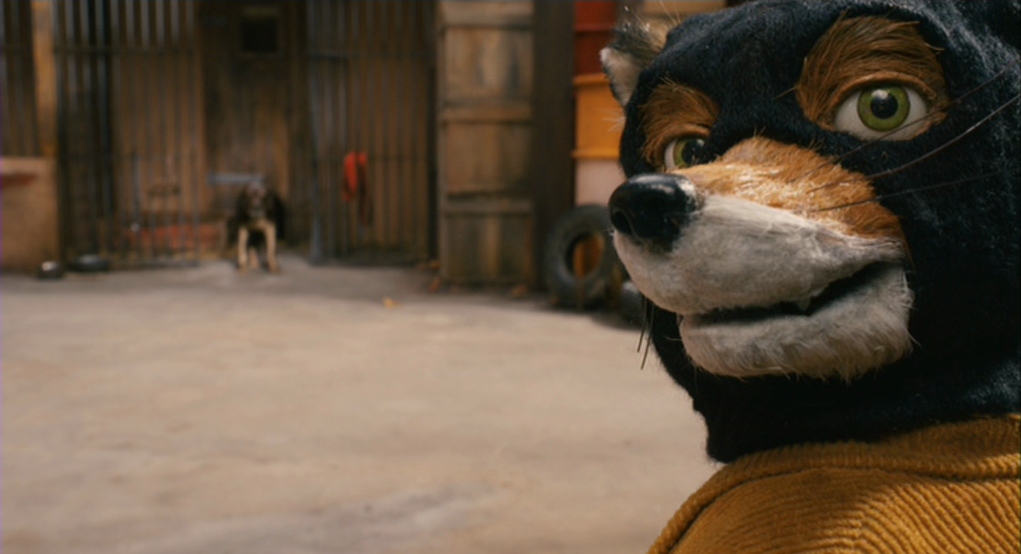
You can recognize a medium close-up by how it frames the subject. It typically cuts off around the middle of the chest or just below the shoulders. The top of the head stays in frame with a small amount of space above it.
The focus is on the face, but you can still catch small actions like a shrug, a hand entering the frame, or the way someone shifts their shoulders.

The MCU sits between a medium shot and a close-up. Each shot size gives a different feeling. Here’s how they compare:
- Close-up (CU): Frames just the face or part of it, often eliminating the background
- Medium shot (MS): Frames the subject from the waist up, showing more body movement
- Medium close-up (MCU): Frames the subject from the chest or shoulders up, showing both expression and part of the setting
The background is usually visible but softly blurred. This helps the subject stand out while still giving hints about the setting (like a door, poster, or lamp behind them).
How to Shoot a Medium Close-Up

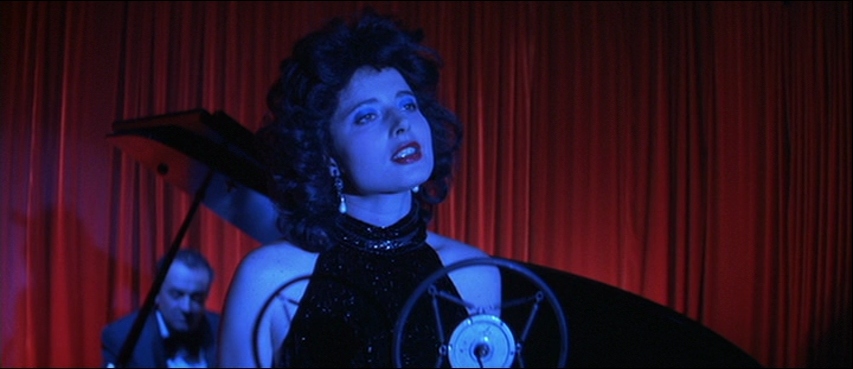
Shooting an MCU requires careful camera placement and lens choice. You want the subject to look natural without any distortion. Start by placing the camera at eye level and framing their eyes around the top third of the screen. Leave a small gap above the head and avoid cutting off the forehead or chin.
Follow these guidelines for clean, consistent results:
- Set the camera at or just above the subject’s eye line to keep the gaze direct
- Use a focal length between 50 mm and 85 mm on a full-frame sensor (or equivalent)*see info box below
- Frame so the chest or shoulders are visible, and the face is centered
- Use a wide aperture to blur the background slightly, enough to soften details like a bookshelf or curtain** see info box below
- Match the same framing and angle for each character if shooting a two-way dialogue
* and ** I recommend this for interviews (like corporate talking heads and documentaries). However, in a fiction film (and sometimes even news), you might not want the smooth bokeh background that a 50mm or 85mm can give you, and you might want some background for context. In that case, you might want to go with a wider lens.
Additional Tips and Nuances
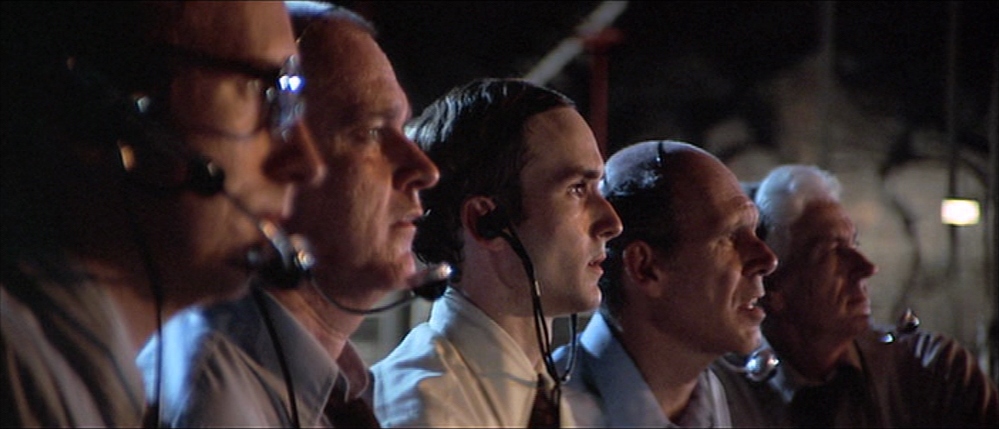
Once you understand the basics, the medium close-up gives you flexibility. You can use it to isolate a character’s emotions while still showing where they are. A small gesture (like crossed arms or a hand rising into frame) can add meaning without needing a wider shot.
Here are some extra ways to make the most of this shot size:
- Use tighter framing (less headroom) in intense moments to create pressure
- Leave more space above the head during calm or casual scenes to keep the mood relaxed
- Let the background include small objects like a photo, lamp, or mirror that tell us more about the character, but keep them blurred using a shallow depth-of-field so the focus stays on the face
- Use the MCU as a stepping stone when moving from a wide shot to a close-up. It gives the viewer time to focus on the character before the scene gets more intense.
The MCU also works well for layered framing. If a second character is slightly blurred in the background or foreground, the focus still stays on the main subject while suggesting relationships or tension in the scene.
Summing Up
A medium close-up shot (MCU) frames a subject from the chest or shoulders up, giving space for both facial expression and body language. It’s a go-to shot for emotional clarity, subtle reactions, and natural conversations. You’ll use it often because it brings you close to the character while still showing their place in the world, whether that’s a bedroom, hallway, office, or kitchen table.
Read Next: Want to explore more shot types?
Browse all camera shots and angles, or see more cinematography techniques on lenses, lighting, and composition.
New to shot types? Read our Camera Angles FAQ for quick answers and visual examples.
