

Published: November 13, 2025

What is a focal point in art? Definition & Meaning
A focal point in art is the part of an image or composition that draws your attention first. It’s the first thing you notice. It controls where your eye lands and what you focus on next.
What Focal Points Do in Art and Film
A focal point gives direction. It anchors the viewer’s eye so the frame doesn’t feel random or confusing. In both painting and film, it controls how you look and how long you stay focused.
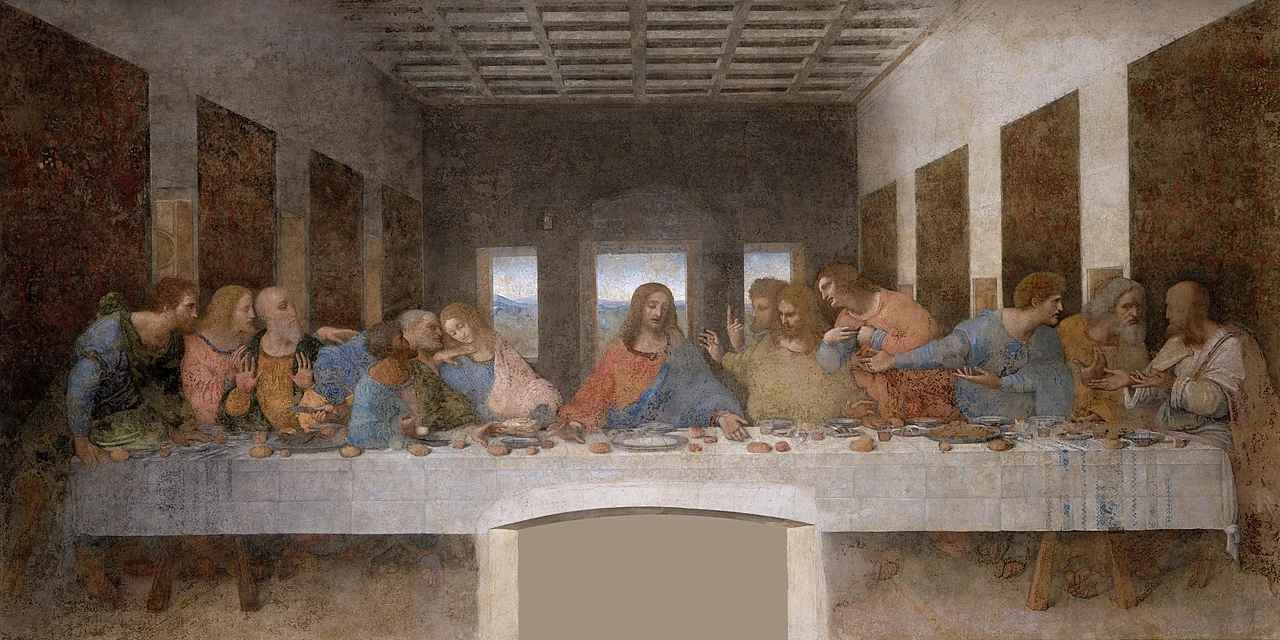
In the Renaissance painting The Last Supper (1490s, Leonardo da Vinci), the ceiling beams and table lines all point to Jesus at the center. He becomes the visual and emotional focus.
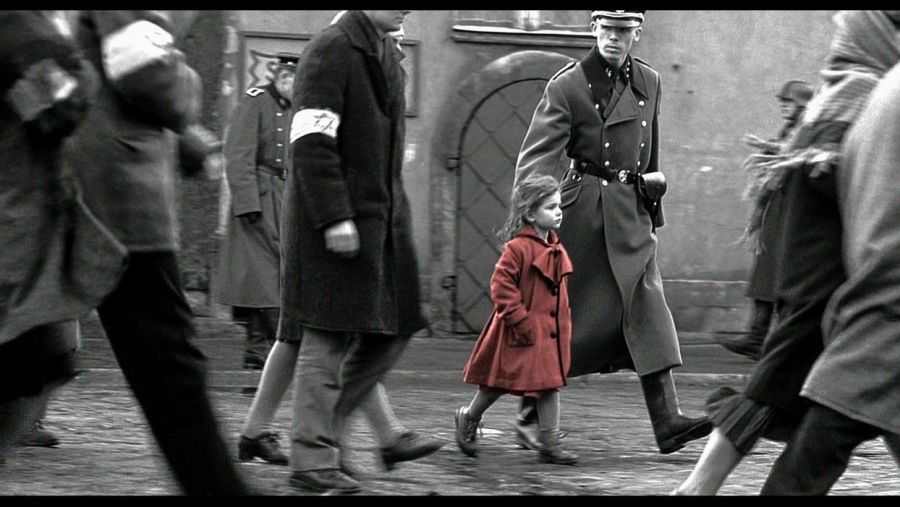
In Schindler’s List (1993, Universal), the girl in the red coat stands out against the black-and-white background. She becomes the emotional core of the scene.
How to Create a Focal Point
These techniques help guide the viewer’s eye. You can use one or combine several to build focus into your image or shot.
1. Contrast in Light, Color, or Texture
We notice what’s different. A dark shape on a light background or a bright color in a dull scene grabs attention first.
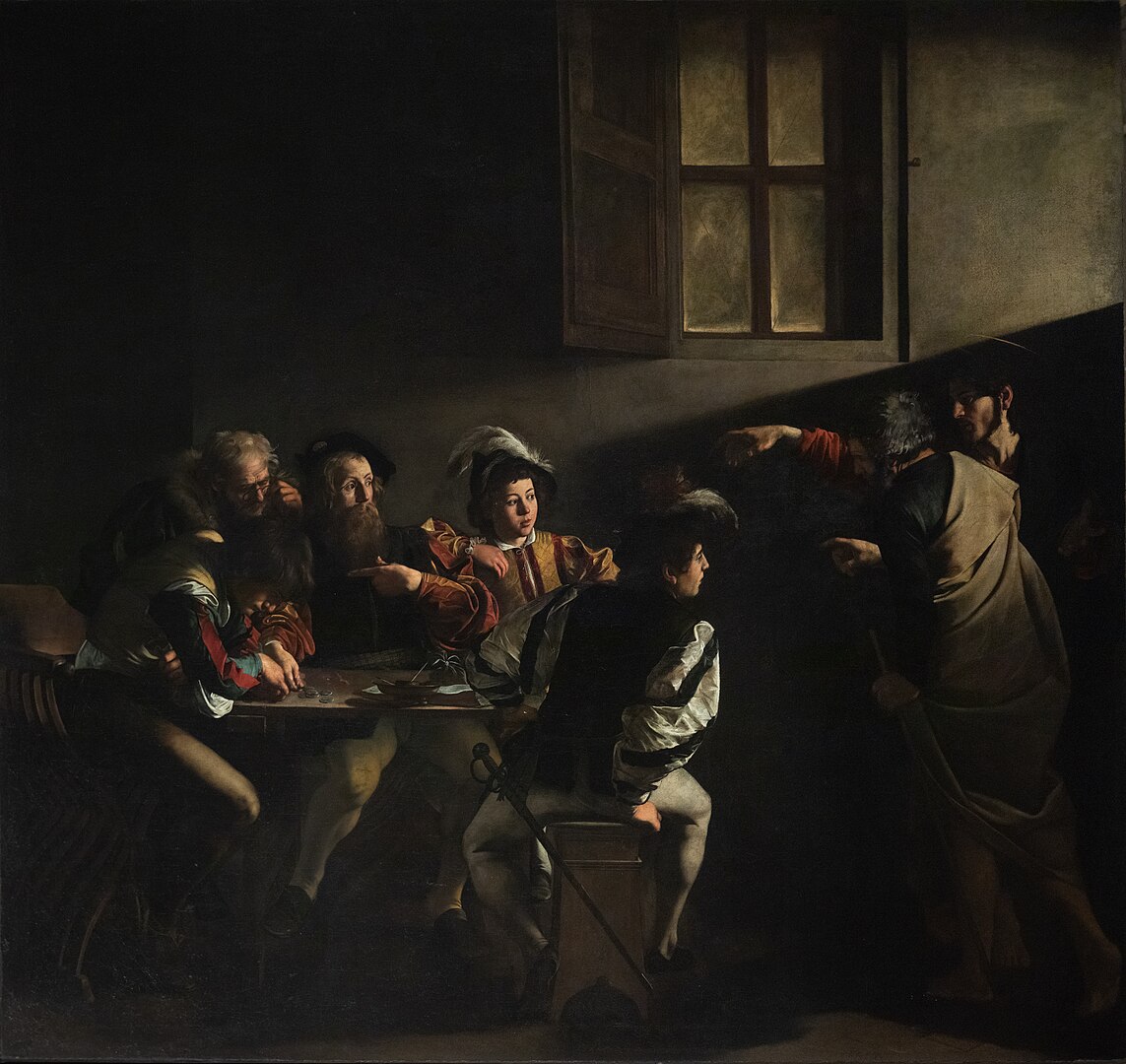
In The Calling of Saint Matthew (1599, Caravaggio), painted during the Baroque period, a strong beam of light cuts through darkness and highlights Matthew. The painting uses chiaroscuro lighting to create sharp contrast and draw focus in a crowded scene.
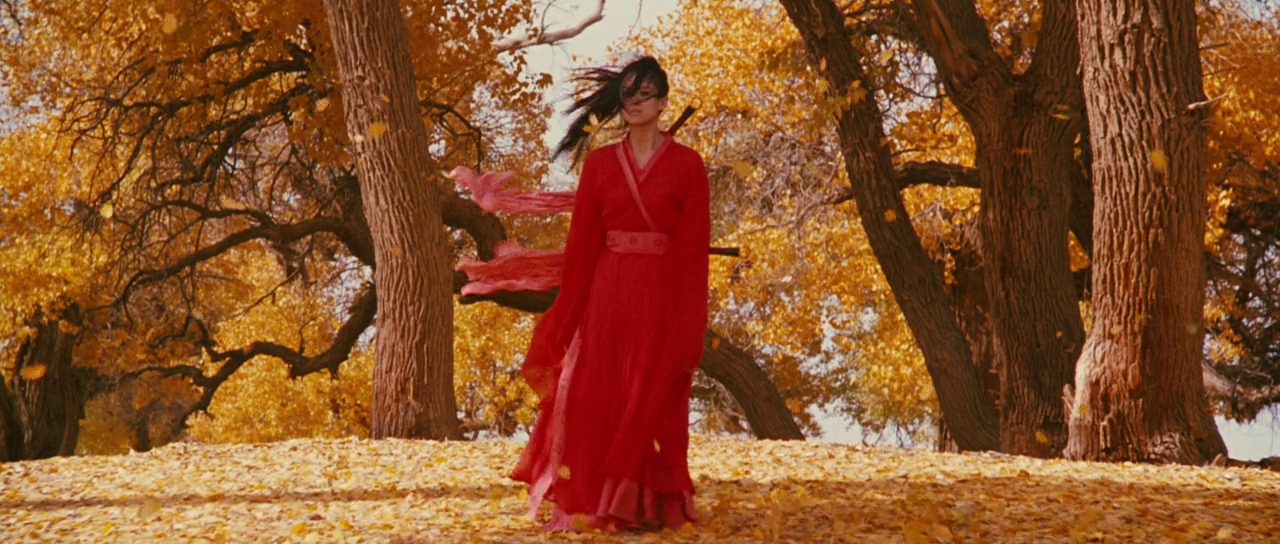
In Hero (2002, Beijing New Pictures), red robes stand out in gray stone settings, pulling your eye to the main figure.
2. Sharp Focus vs. Soft Background
When one part is in focus and the rest is blurry, the sharp part feels more important. This is called shallow depth of field.
In the baroque painting Las Meninas (1656, Diego Velázquez), the Infanta stands bathed in light at the center, with her features rendered in more detail than the rest of the scene.

In Citizen Kane (1941, RKO), the camera uses deep focus to keep every layer sharp, so your eye moves naturally between foreground and background based on composition and lighting.

3. Placement in the Frame
Where something sits in the frame affects how quickly you notice it. Center placement often feels dominant or stable.
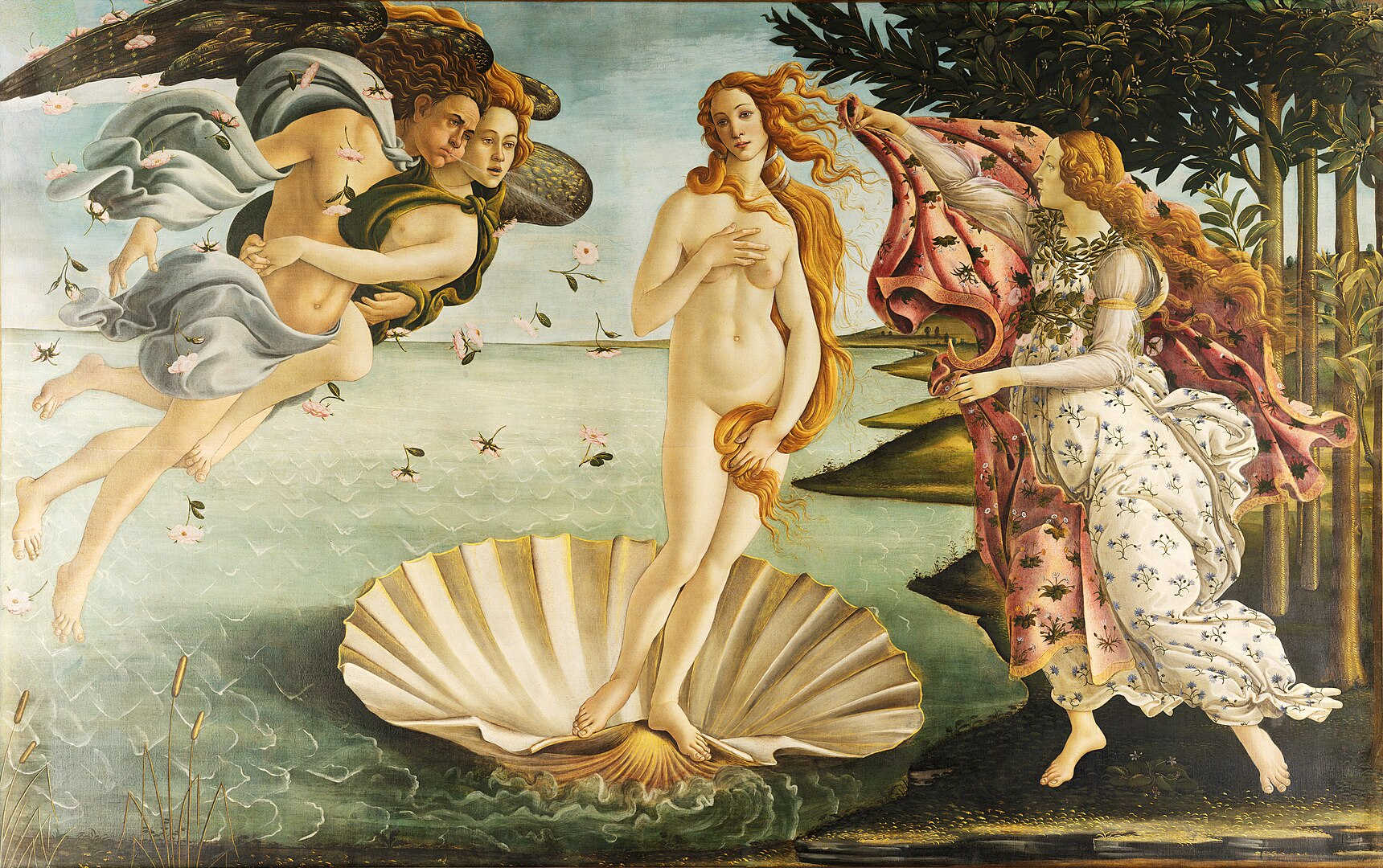
In the famous Renaissance painting The Birth of Venus (1480s, Botticelli), Venus stands in the middle, framed by other figures.
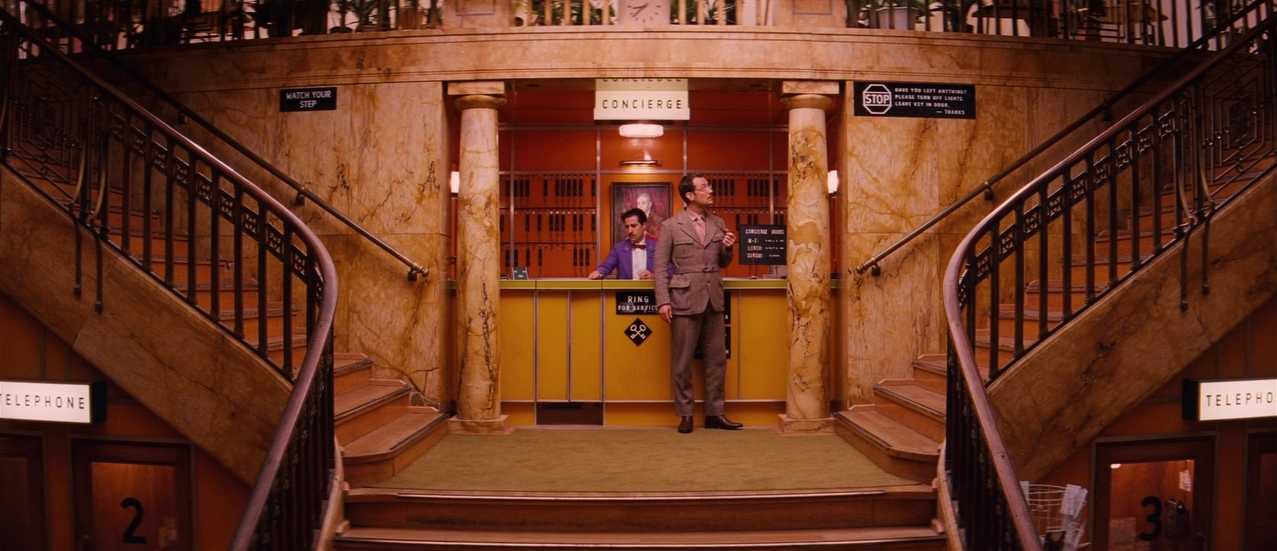
In The Grand Budapest Hotel (2014, Fox Searchlight), Wes Anderson centers characters in symmetrical spaces to make them the focus. Read more on symmetry in art.
Directors sometimes use a dirty shot, where part of another figure enters the foreground without being the focus.

The famous dirty leg shot in The Graduate (1967, United Artists) frames Benjamin through Mrs. Robinson’s outstretched leg. Her body becomes a visual boundary, pushing your eye toward the man at the center of the frame, and hinting at the control she holds over the scene.
4. Leading Lines and Direction
Lines inside the frame can guide your eye to the focal point. These lines might come from architecture, props, light, or body language. They give the composition flow and direction.
In The School of Athens (1509–1511, Raphael), the perspective lines in the arches and floor tiles all point toward Plato and Aristotle at the center. The symmetry and depth draw your attention directly to them.

In Pulp Fiction (1994, Miramax), diagonal lines dominate the frame. The characters’ arms and guns form sharp vectors that meet across the composition, pulling focus to moments of confrontation. These diagonals add tension and mimic the chaos in the scene.

Read more on leading lines in film.
5. Movement or Breaking a Pattern
Motion draws the eye. So does anything that breaks a visual pattern. When most of an image is still or repetitive, a single action or change can become the focal point. Movement stands out because it breaks the flow.
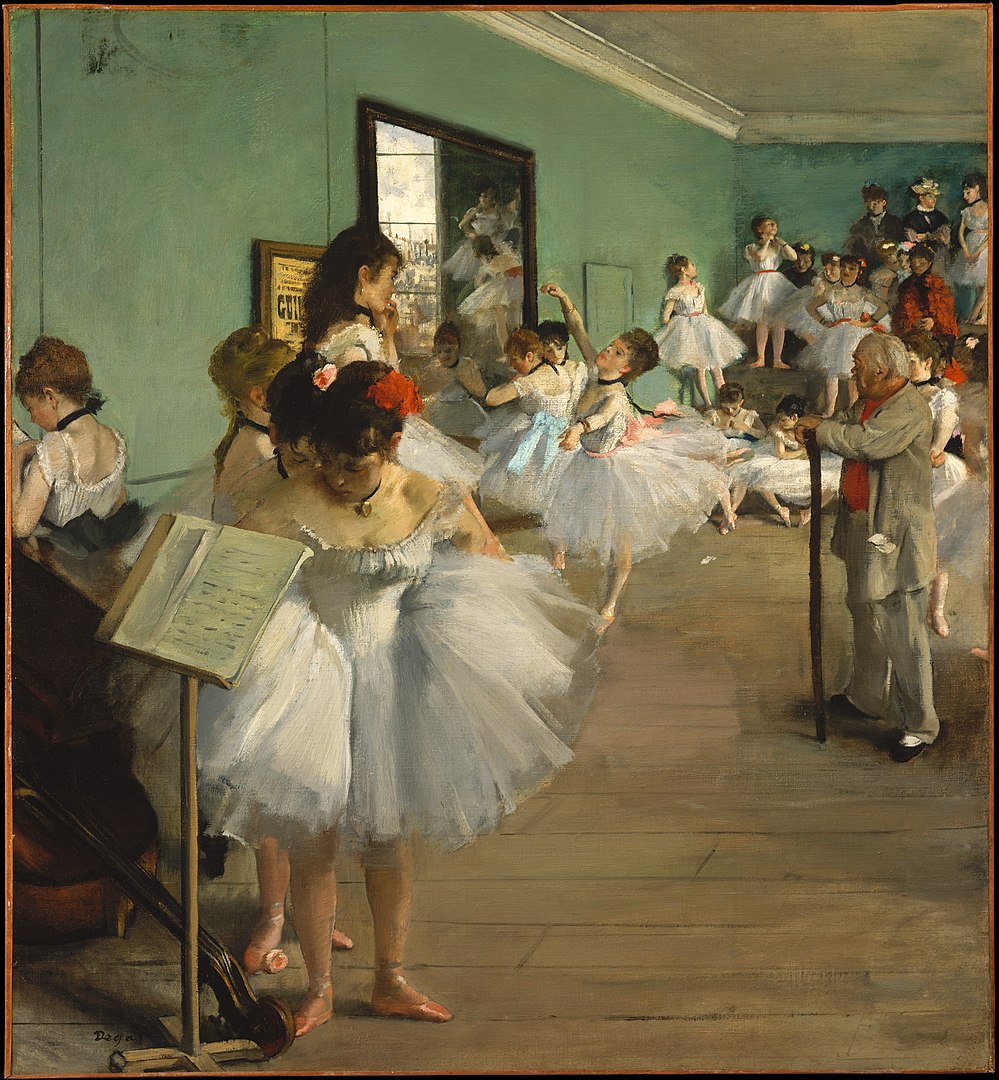
In the impressionist painting The Dance Class (1874, Edgar Degas), one ballerina stands upright in a graceful pose while others rest, stretch, or blend into the edges. Her stillness and posture break the rhythm and guide the eye.
In Mad Max: Fury Road (2015, Warner Bros.), cars and bodies fly across the frame, but fast cuts and centered framing make sure you track the most important moving subject.

When You Might Skip a Strong Focal Point
Not every image needs a clear focus. Some scenes are meant to feel open, busy, or uncertain. That’s when you let the eye wander.
In painting, a hazy seascape with no single subject can feel calm or vast. In film, a crowded city shot with no center can feel chaotic or overwhelming. Skipping a focal point forces the viewer to take in the whole frame at once.
Summing Up
A focal point gives your image structure and clarity. It tells the viewer where to look and what matters. You can create one using contrast, focus, lines, placement, or movement. Or you can leave it out on purpose to say something else.
Read Next: Want to sharpen your eye for visual composition?
Start with the FilmDaft illustrated guide to visual composition or explore how mood and emotion shift with color psychology in cinematography.
Then browse all articles on framing, balance, symmetry, and spatial design — from leading lines to negative space.
Or return to the Cinematography section to explore lenses, lighting, and camera movement techniques.
