

Published: September 10, 2025 | Last Updated: December 17, 2025

What is ? Definition & Meaning
Macro photography is the practice of capturing tiny subjects at life-size (1:1) or larger magnification so their fine details become visible. You use a macro lens that can focus extremely close, filling the frame with something tiny. For example, a 1 cm-long fly will appear 1 cm long on the sensor. When enlarged, you can see every hair and pattern clearly.
Macro vs Micro Photography: Understanding Magnification Ratios
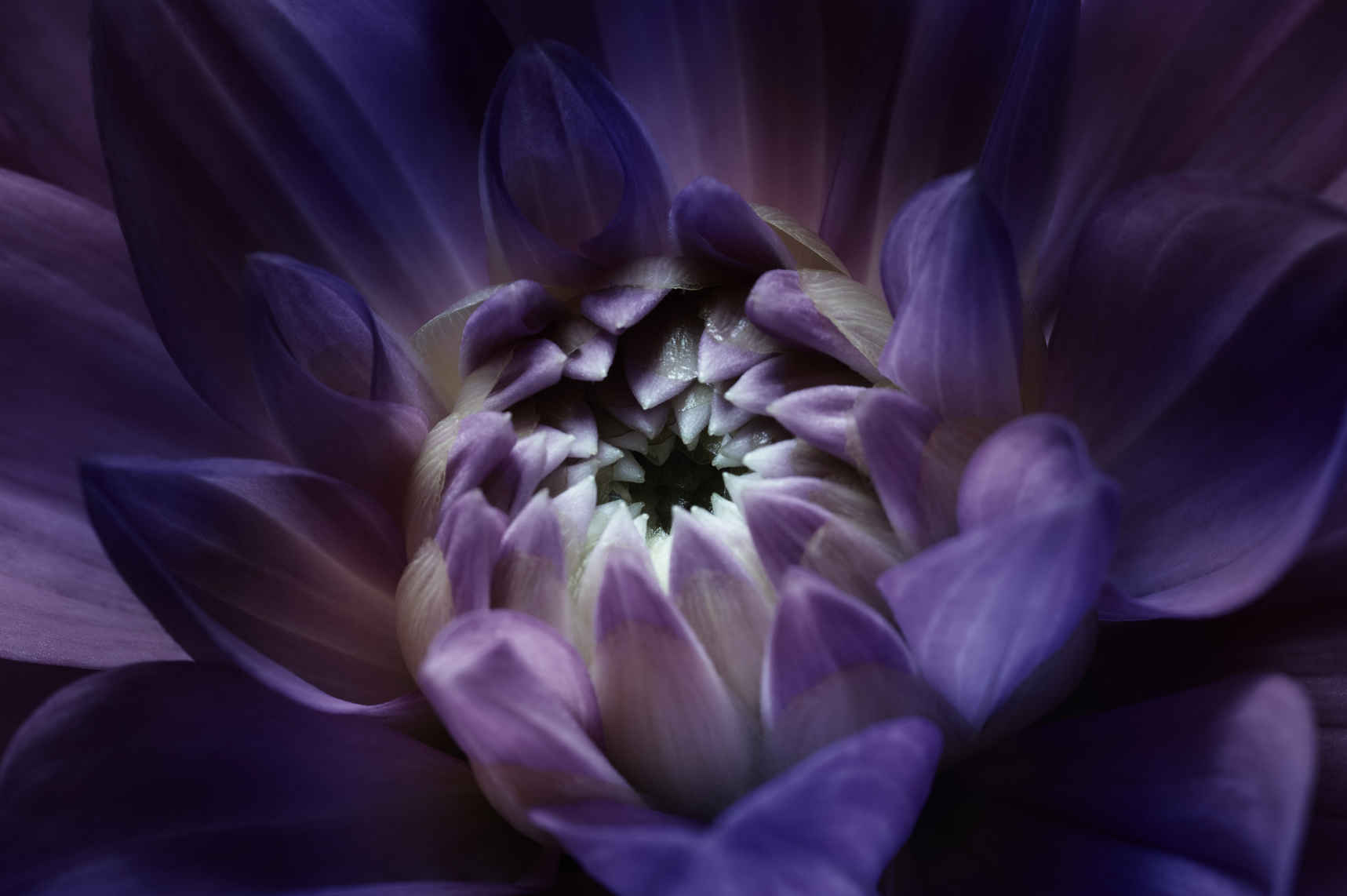
Macro photography starts with magnification. You need to know how big a subject appears on the sensor compared to its real-world size. That’s what the ratio tells you.
A 1:1 ratio means the subject appears life-size, meaning it’s the same size in the real world as it is projected onto your camera’s sensor. A 1:2 ratio means it looks half as big on the camera’s sensor; 2:1 means it looks twice as large.

Macro photography typically falls between 1:1 and 20:1. Anything beyond that (such as what you see through a microscope) is called microphotography. Some lenses say “macro” on the barrel, but only give 1:3 or 1:4. To shoot true macro, check for 1:1 capability.
Macro Photography Gear and Close-Up Lens Options
You can shoot macro in several ways. Some use high-end lenses. Others start with cheap tools that get you close enough to learn. What matters is how close you can focus and how much of the subject fills the frame.
Dedicated Macro Lenses for True 1:1 Photography

Dedicated Macro Lenses are designed for close-up detail. They give you sharp images at life-size magnification and let you shoot without getting too close.
A 90 mm to 105 mm macro lens is ideal. It keeps you about 15 cm or more from the subject while still reaching 1:1. That’s enough distance for insects, flowers, or textures without blocking light or casting shadows.
Using Extension Tubes to Increase Macro Magnification

Extension tubes are a cheaper way to get closer. They fit between your lens and camera body to reduce the focus distance.
You can stack them for more magnification. Some versions allow autofocus and aperture control, but many are manual. They’re lightweight, portable, and easy to test out.
Reversed Lens Technique for Budget Macro Photography
If you already have a 50 mm lens, you can flip it around. With a reversing ring, the same lens can also shoot at a macro range. You can reverse any lens, but 50 mm hits the sweet spot between size, magnification, ease of use, and available light.
This is one of the cheapest ways to start. But you’ll lose autofocus and need to control exposure manually. It takes practice, but the results can be sharp and detailed.
Working Distance Tips for Macro Photography Lighting
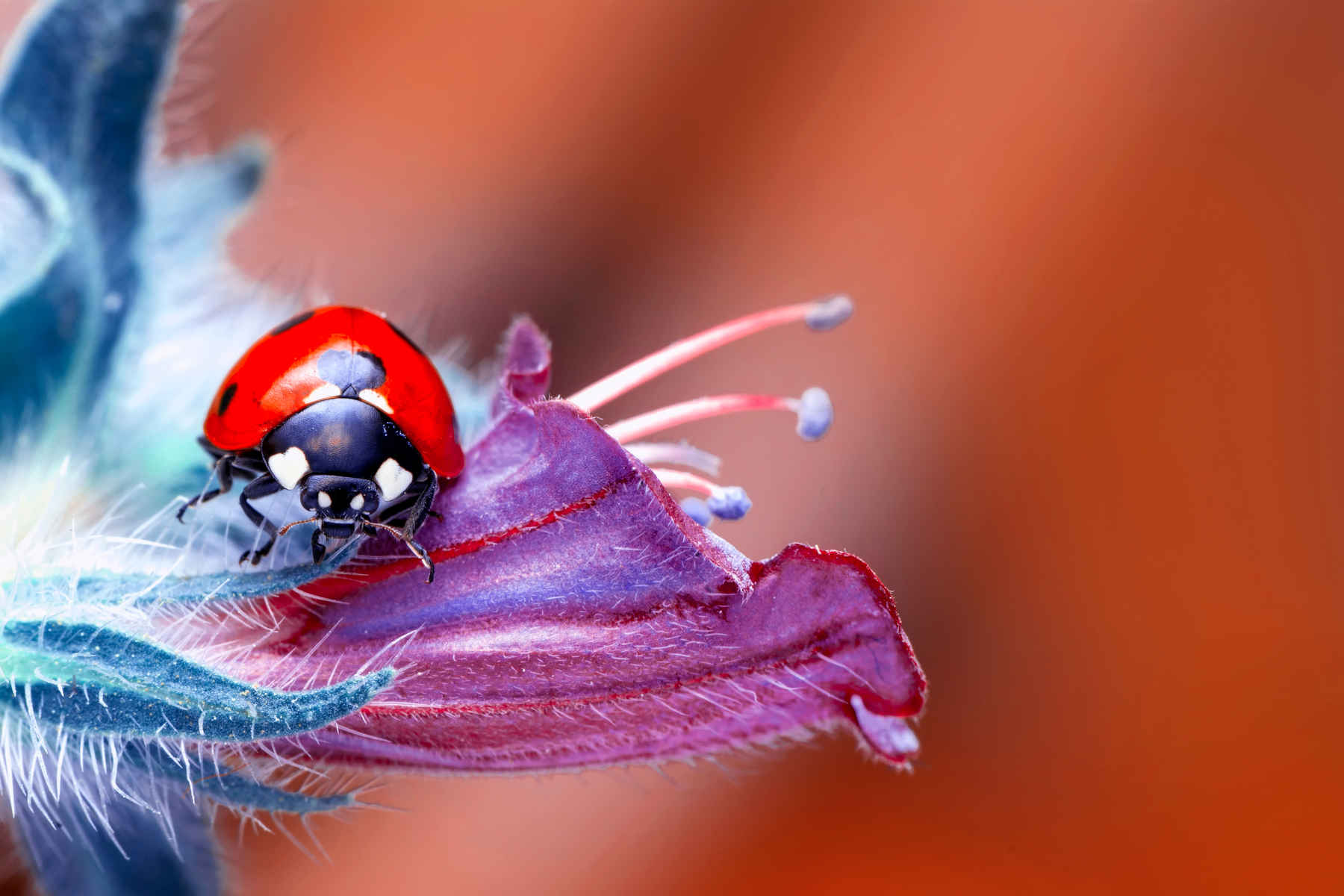
Whatever gear you use, give yourself space. Working too close can block light or scare off live subjects.
Try to keep at least 15 cm between the lens and the subject. This helps you light the scene properly and avoid touching or disturbing what you’re photographing.
Macro Camera Settings and Focusing Techniques
Macro photography needs control. The closer you get, the harder it is to keep your subject sharp and well-lit. That’s why your camera settings matter.
Start with a small aperture (around f/8 to f/16). This gives more depth of field, so more of the subject stays in focus. But small apertures reduce light. To keep the exposure balanced, raise your ISO or slow down the shutter speed. Manual focus works best. Autofocus often fails at close range.
You can use a tripod and even a remote shutter release to avoid shake. It’s definitely also possible to shoot handheld; in my experience, it depends on the subject: if it’s easily scared by your presence, it can be better to put up a tripod and use a remote trigger, and then arm yourself until your favorite insect lands on the flower you’ve chosen.
If only part of the subject is sharp, try focus stacking. That means taking several shots at different focus points and blending them later in software.
Macro Photography Lighting and Composition Tips
As with everything film and photography related, good lighting is key. Lighting makes the details pop, and plenty of lighting is essential when shooting at higher f-stops.
I recommend using an on-camera flash and a macro flash diffuser (such as the one from Hi-End Macro or a similar product) for the best results. It ensures you have both enough light and a nice, soft light.
Also, understanding visual composition is key. Composition decides where the eye goes. In macro photography, both good lighting and visual composition are extra critical.
Soft light is preferred
In macro photography, soft light usually works better than hard light. Cloudy skies outdoors give you a natural diffuser, while indoors, you might try a ring light or a flash with a diffuser. Direct light can work too, but it often produces deep shadows that can hide small textures.

Because macro captures so much detail, it helps to look closely at your subject before shooting. Dust, hairs, or tiny scratches may not be visible to your eye, but will show up in the photo. Cleaning your subject first saves editing later (I’m not talking about live subjects here, of course).
Understanding Visual Composition is Key to Good Framing
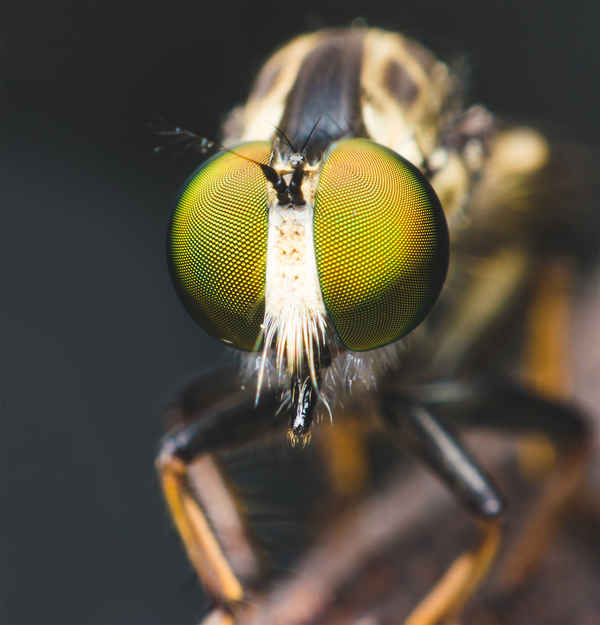
When you’re framing the shot, the rule of thirds is a good place to start. Placing the subject slightly off-center usually feels more natural. Keep the background simple so it doesn’t compete with the detail you want people to notice.
Light direction, angle, and framing are all things you can experiment with. Try moving the camera just a few centimeters or shifting the light slightly, and you’ll see how quickly the look of a macro image changes.
Best Subjects for Macro Photography and Common Challenges
There’s a lot to shoot up close, from bugs, petals, leaves, to coins and water drops. Of these, bugs are the hardest, because the small buggers don’t respond well to orders. And at this scale, even tiny movement ruins a photo.

A slight breeze can shift a flower out of focus. Wind ruins sharpness. Wait for still conditions or hold your subject steady. With insects, move slowly and use a longer lens to avoid scaring them. You’ll also deal with glare, shallow focus, and blocked light if you get too close. Plan your shots. Control the environment when you can.
How to Practice Macro Photography Indoors and Outdoors
Start simple. Shoot things that stay still. Work your way up to trickier subjects like bugs and weather conditions. The more you practice, the better your eye and timing will get.
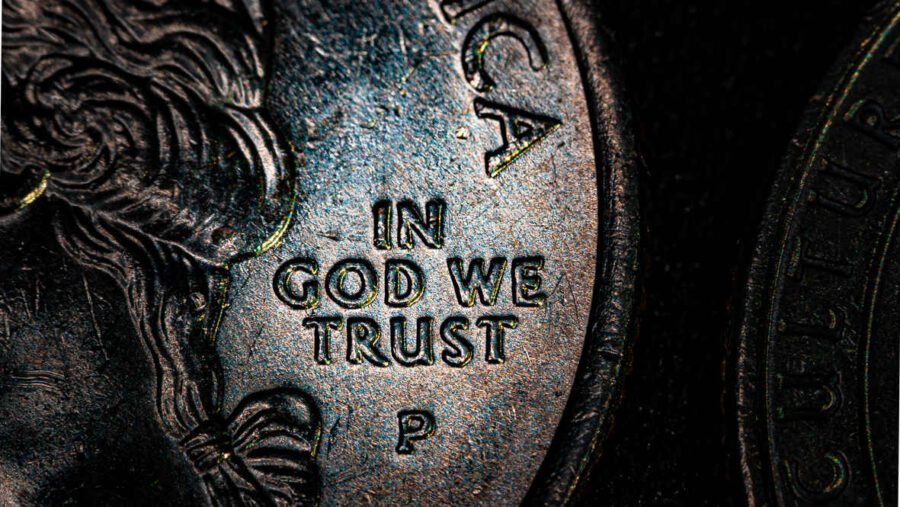
Begin indoors. Use coins, leaves, or fabrics. Set up a lamp or ring light. Mount your camera on a tripod. Use manual focus and test different apertures to see how the depth of field changes. Stay about 15 cm back.

When you’re ready, go outside. Try flowers, tree bark, or insects. Watch how light shifts. Test how reversing a lens or stacking tubes changes the look. Every tiny change matters: your focus, your angle, your lighting. Practice is how you learn to see like a macro photographer.
Summing Up
Macro photography shows small things at life-size or larger. Use a true macro lens for 1:1 magnification or try budget tools like extension tubes or reversed lenses. Keep your distance, control your light, and use a tripod and manual focus. With the right gear and practice, you can capture fine details that are invisible to the naked eye.
Read Next: Want to level up your photography skills?
Explore our Photography section for guides on lighting, composition, camera settings, and creative techniques across genres like portrait, landscape, and street.
Whether you’re shooting on a mirrorless camera or your phone, you’ll find sharp, practical tips to take more intentional and creative photos.
Also check out our Visual Composition section, with deep dives into framing, color psychology, and visual art history—key tools for any photographer thinking like an image-maker.
