

Published: August 5, 2025 | Last Updated: November 13, 2025

What is A sitcom? Definition & Meaning
A sitcom, short for situation comedy, is a scripted series that follows the same characters in a familiar setting and builds humor from everyday situations, often told in short, self-contained episodes. Episodes usually run 20 to 30 minutes.
Core Elements of a Sitcom
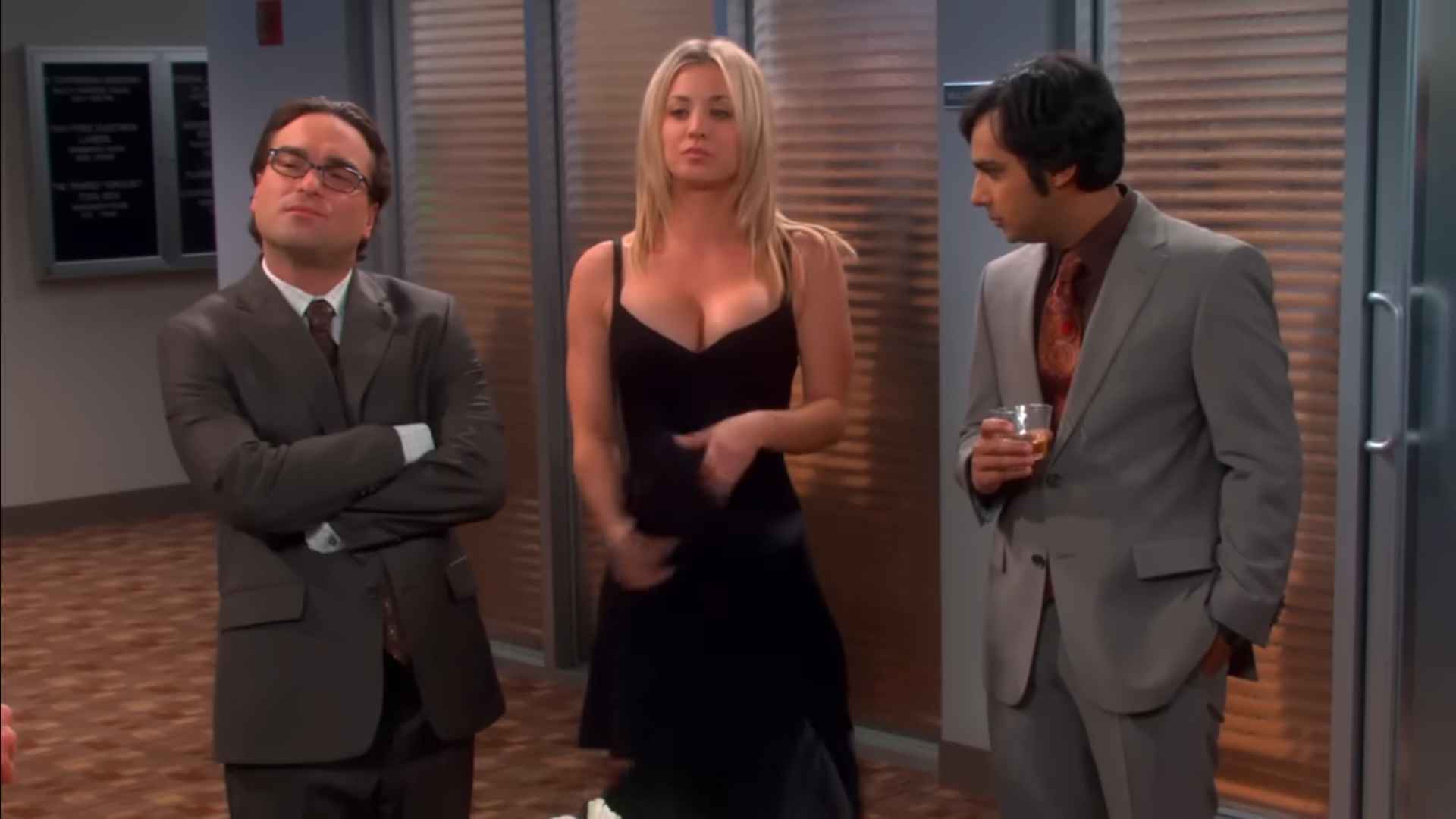
A sitcom centers on a small group of characters whose personalities and relationships drive the story. Episodes usually run 20 to 30 minutes and wrap up the main plot within that time.
Humor can come from physical actions, sharp observations about daily life, or jokes tied to the way specific characters behave.

Most shows take place in one or two main locations, which helps viewers feel comfortable with the world of the series.
Animated sitcoms, such as The Simpsons (1989, Fox) and Family Guy (1999, Fox), follow the same structure but use animation to create visual gags and settings that would be difficult or expensive in live action.
Story Structure
Many sitcoms follow a simple three-part format:
- Setup – Introduces the characters, location, and the problem or misunderstanding.
- Confrontation – Builds on the problem through dialogue, physical comedy, or escalating situations.
- Resolution – Solves the problem, often with a twist or a return to normal life.
This structure makes the story easy to follow and gives the comedy a clear rhythm.
Two examples: Friends & The Simpsons
To make the structure clearer, here are two examples. The first is from Friends:
Friends – “The One with the Rumor” (Season 8, Episode 9, aired November 22, 2001) starring Brad Pitt
This is from the episode with Brad Pitt, who reveals that he and Ross had an “I hate Rachel Club” in high school:
Setup
Monica invites her old high‑school friend Will (Brad Pitt) to Thanksgiving dinner. Will unexpectedly hates Rachel and was part of a rumor-spreading club about her in high school. The characters gather in Monica’s apartment, unaware of the emotional tension beneath a familiar holiday setting.
Confrontation
Will reveals to the group that he and Ross once started a rumor claiming Rachel was intersex, intending to humiliate her. Rachel feels betrayed to realize Ross was involved. Monica steps in to calm them down amid rising emotions. The revelation escalates embarrassment and guilt, turning a routine dinner into a confrontation over the past.
Resolution
Tension eases when Monica points out that Rachel also spread a rumor about Ross, and that both have moved beyond high-school cruelty. Rachel and Ross accept the history, shrug it off, and the group returns to their usual camaraderie. Despite emotional moments, the core friendships remain intact, and the scene closes on a note of reconciliation.
The Simpsons – “Last Exit to Springfield” (Season 4, Episode 17; aired March 11, 1993)
This is from the episode where Homer becomes the union president at the nuclear power plant to protect the workers’ dental plan.
Setup
Lisa needs orthodontic care, and Homer learns that contract negotiations threaten the nuclear power plant’s dental plan. The family’s well-being and finances are at risk, establishing the core conflict at their home and Homer’s workplace.
Confrontation
Homer becomes the union president and launches a strike to restore dental benefits. He confronts Mr. Burns and rallies coworkers in humorous and escalating actions like protest signs, satire, and sabotage. The conflict intensifies as economic pressure builds.
Resolution
Under union pressure and presidential scrutiny, Burns restores the dental plan. Homer secures Lisa’s braces, the plant returns to normal operations, and the Simpson family returns to daily life. The episode ends with the characters back in their familiar routines.
Types of Humor

Different sitcoms use different kinds of humor, and many mix styles to keep the comedy fresh. The type of humor helps set the tone and pace of the show, and it helps shape how we connect with the characters.
- Slapstick – Big, physical actions and exaggerated movement for quick laughs.
- Examples include I Love Lucy (1951, CBS) and Mr. Bean (1990–1995, ITV).
- Observational comedy – Jokes based on common, everyday situations.
- Examples include Seinfeld (1989, NBC) and Everybody Loves Raymond (1996, CBS).
- Character-driven humor – Comedy built from the quirks and predictable habits of the main characters.
- Examples include The Office (UK 2001–2003, BBC; US 2005–2013, NBC) and Brooklyn Nine-Nine (2013, Fox/NBC).
Character Dynamics

Most sitcoms use an ensemble cast where each person has a clear role (meaning they use character archetypes). The table below shows common archetypes with examples from Seinfeld, The Big Bang Theory, Friends, and The Office (US).
| Archetype | Description | Seinfeld | The Big Bang Theory | Friends | The Office (US) |
|---|---|---|---|---|---|
| The Everyman | A relatable character who reacts to the chaos around them. | Jerry Seinfeld | Leonard Hofstadter | Rachel Green | Jim Halpert |
| The Lovable Fool | Someone whose lack of awareness leads to misunderstandings. | Kramer | Penny | Joey Tribbiani | Michael Scott |
| The Wise Mentor | A voice of reason who balances out the humor. | Elaine Benes | Sheldon Cooper (in his own unorthodox way) | Monica Geller | Pam Beesly |
| The Neurotic Worrier | Overthinks and stresses about small problems until they grow. | George Costanza | Raj Koothrappali | Ross Geller | Andy Bernard |
| The Eccentric Genius | Highly intelligent but socially awkward or oblivious. | Cosmo Kramer (street-smart eccentric) | Sheldon Cooper | None fits exactly, though Ross has some traits | Dwight Schrute |
| The Sarcastic Cynic | Uses dry humor to comment on the absurdity of situations. | Elaine Benes | Howard Wolowitz | Chandler Bing | Stanley Hudson |
| The Straight‑Laced Authority Figure | Keeps others in line and enforces structure. | J. Peterman | Beverly Hofstadter | Monica Geller | Angela Martin |
| The Quirky Sidekick | Has odd habits or niche obsessions that add surprise humor. | Newman | Amy Farrah Fowler | Phoebe Buffay | Creed Bratton |
| The Lovable Grump | Complains often but ultimately cares about the group. | Frank Costanza | Bernadette Rostenkowski-Wolowitz | Gunther | Stanley Hudson |
The mix of these archetypes creates contrast, fuels comedic tension, and keeps character relationships engaging over many episodes and seasons.
The mix of personalities creates tension and comedy, and the same relationships can stay interesting for years.
Importance of Setting

Settings in sitcoms are usually familiar and consistent, like a home, workplace, or coffee shop (like ‘Central Perk‘ from Friends (1994-2004)). These locations give the characters a shared space and make the show easy to follow.
Over time, the settings can become as recognizable to viewers as the characters themselves (just think of the apartments from Friends (1994-2004), The Big Bang Theory (2007-2019), How I Met Your Mother (2005-2014), or Frasier (1993-2004), for example).
In British sitcoms, settings are often tied to class and community life, sometimes blending studio filming with location shoots to capture a more realistic atmosphere.
Single-Camera vs. Multi-Camera

Multi-camera sitcoms are filmed in front of a live audience or use a laugh track, capturing scenes from several angles at the same time. They often have a stage-like feel and rely heavily on timing that plays directly to the audience. This format is common in shows like Friends (1994, NBC) and The Big Bang Theory (2007, CBS).
Single-camera sitcoms are filmed more like movies, shooting each shot individually and building scenes through editing. This style allows for more varied camera angles, natural lighting, and a cinematic feel. The term refers to the production style rather than the literal number of cameras, meaning multiple cameras may still be used on set. Shows like The Office (US 2005–2013, NBC) and Parks and Recreation (2009, NBC) use this approach in a mockumentary format, with handheld movements, zooms, and direct-to-camera interviews to make the audience feel like part of the scene.
History of Sitcoms
Sitcoms began on radio in the 1920s with shows like Sam ’n’ Henry and Amos ’n’ Andy. The format moved to TV in 1947 with Mary Kay and Johnny (DuMont/NBC), widely considered the first television sitcom.
Early TV examples such as I Love Lucy (1951, CBS) set the tone with physical comedy and precise timing. The 1970s brought socially aware sitcoms like All in the Family (1971, CBS), while the 1990s saw global hits such as Friends (1994, NBC).
Today, sitcoms appear on streaming platforms and continue to experiment with format and storytelling.
The Role of Syndication
Syndication keeps sitcoms alive after their first run. Reruns help new viewers discover old shows, keep familiar characters in the spotlight, and bring in steady income for producers.
Some shows, like the US version of The Office (UK 2001–2003, BBC; US 2005–2013, NBC), became even more popular after moving to streaming platforms.
Summing Up
Sitcoms work because they mix familiar characters, regular settings, and different types of humor in a short, easy-to-watch format. From early radio shows to modern streaming hits, the format has adapted to new audiences while keeping its focus on character relationships and comedy.
Read Next: Curious how visual styles define film genres?
Explore our breakdown of Genre & Visual Style to see how movements like naturalism, noir, and surrealism shape what we watch.
Looking for the big picture? Visit our Film History, Theory & Genre page to connect techniques with the eras and ideas that shaped them.
