

Published: September 19, 2025 | Last Updated: January 19, 2026

What is a Lens flare? Definition & Meaning
Lens flare is a visual artifact that happens when stray light enters your lens and reflects off internal elements. This creates streaks, halos, spots, or a hazy glow across your image. It usually happens when you’re shooting toward the sun or another bright source. The light bounces between the lens glass and the sensor, creating shapes and colors that weren’t part of the scene. Some flares are soft and pretty. Others ruin your contrast or distract from the subject.
What Causes Lens Flare in Cameras?
Flare starts when bright light enters the front of your lens at a sharp angle. Every piece of glass inside the lens reflects a small bit of that light. Zoom lenses tend to flare more than prime lenses because they have more glass elements.
Cheap filters or smudges on the lens make it worse. Even if your lens is clean, a strong source like the sun can still bounce light around inside.
That’s especially true on digital cameras. Light can reflect off the sensor, bounce back into the lens, and then return to the sensor again. This creates red or green dots near the light source, a phenomenon known as sensor flare.
Mirrorless cameras are more prone to it because the lens sits closer to the sensor. Good coatings help reduce it, but no lens is perfect.
Types of Lens Flare in Photography and Film
Not all lens flare looks the same. The shape depends on your lens, your aperture, and where the light comes from. Here are the most common types you’ll see:
Starburst flare
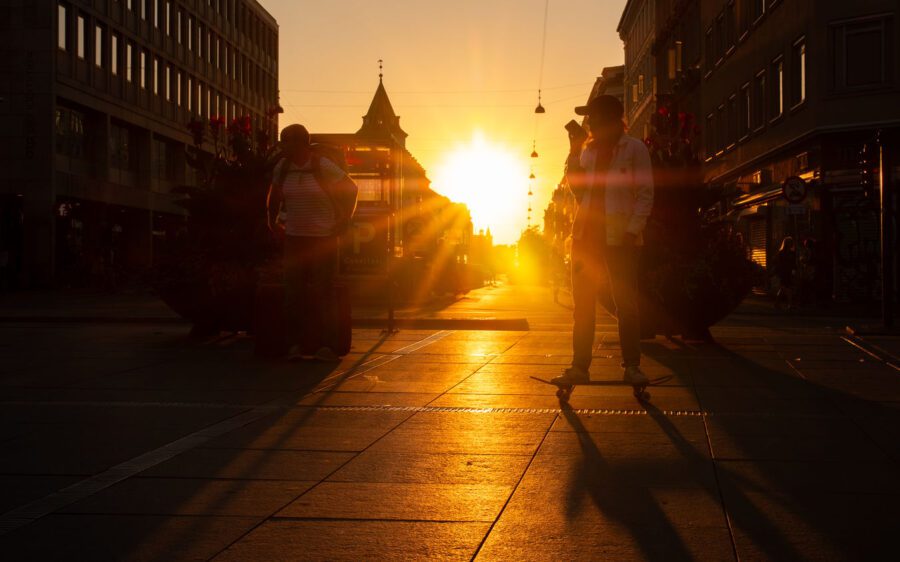
Starburst flares are sharp, pointed rays (that look like star patterns) that shoot out from a light source (like the sun or a streetlamp) when you use a very small aperture (f/16 or smaller).
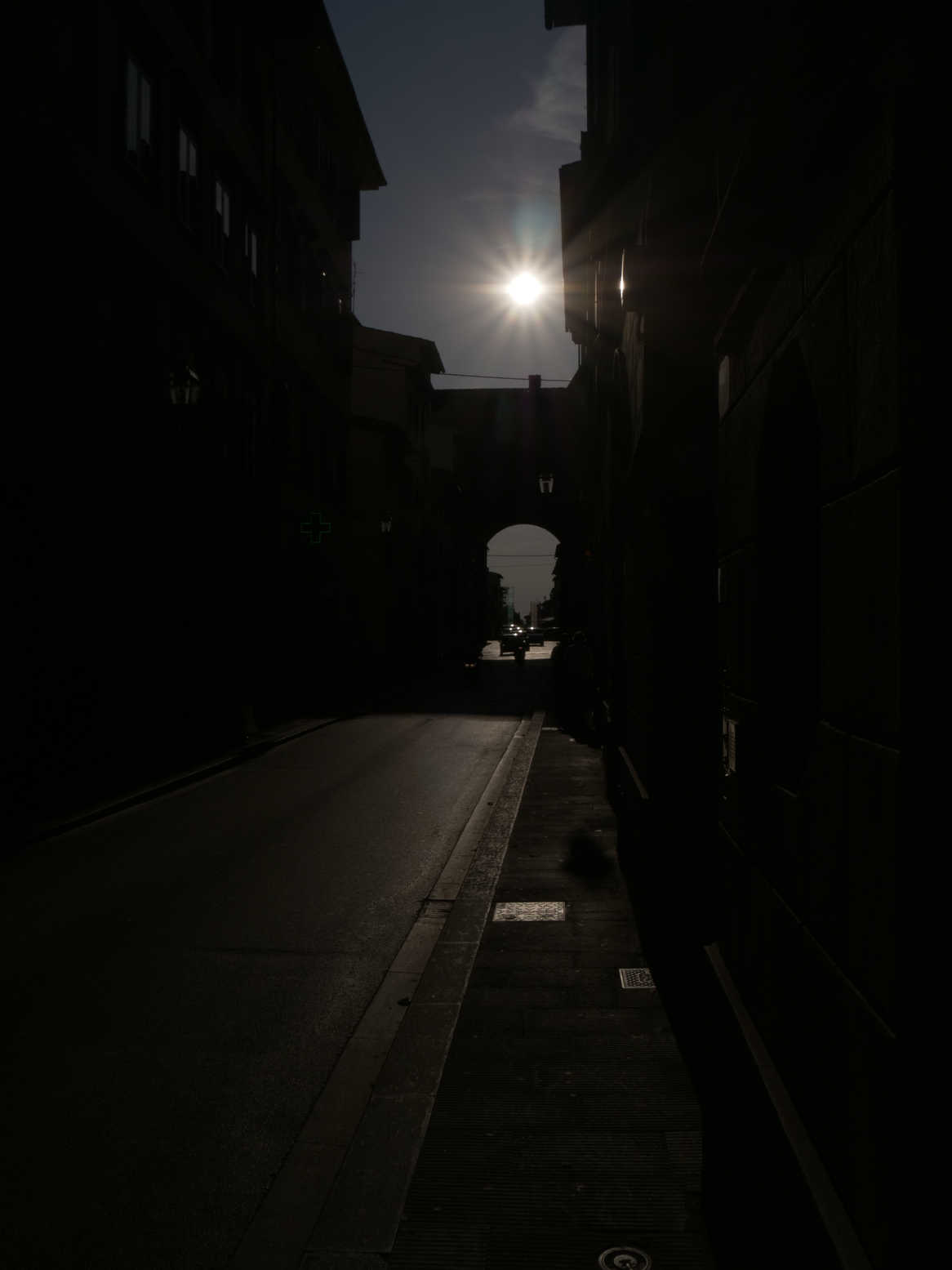
The flares are shaped by the number of aperture blades in your lens. For example, a lens with 6 blades usually creates a 6-point star, while one with 9 blades creates an 18-point star. The more blades, the smoother or more complex the starburst.
Ghosting
Ghosting flares are bright, semi-transparent shapes (like colored orbs or hexagons) that show up across your photo. They usually appear in a line leading away from the light source. The shapes are reflections bouncing between the glass elements inside your lens.
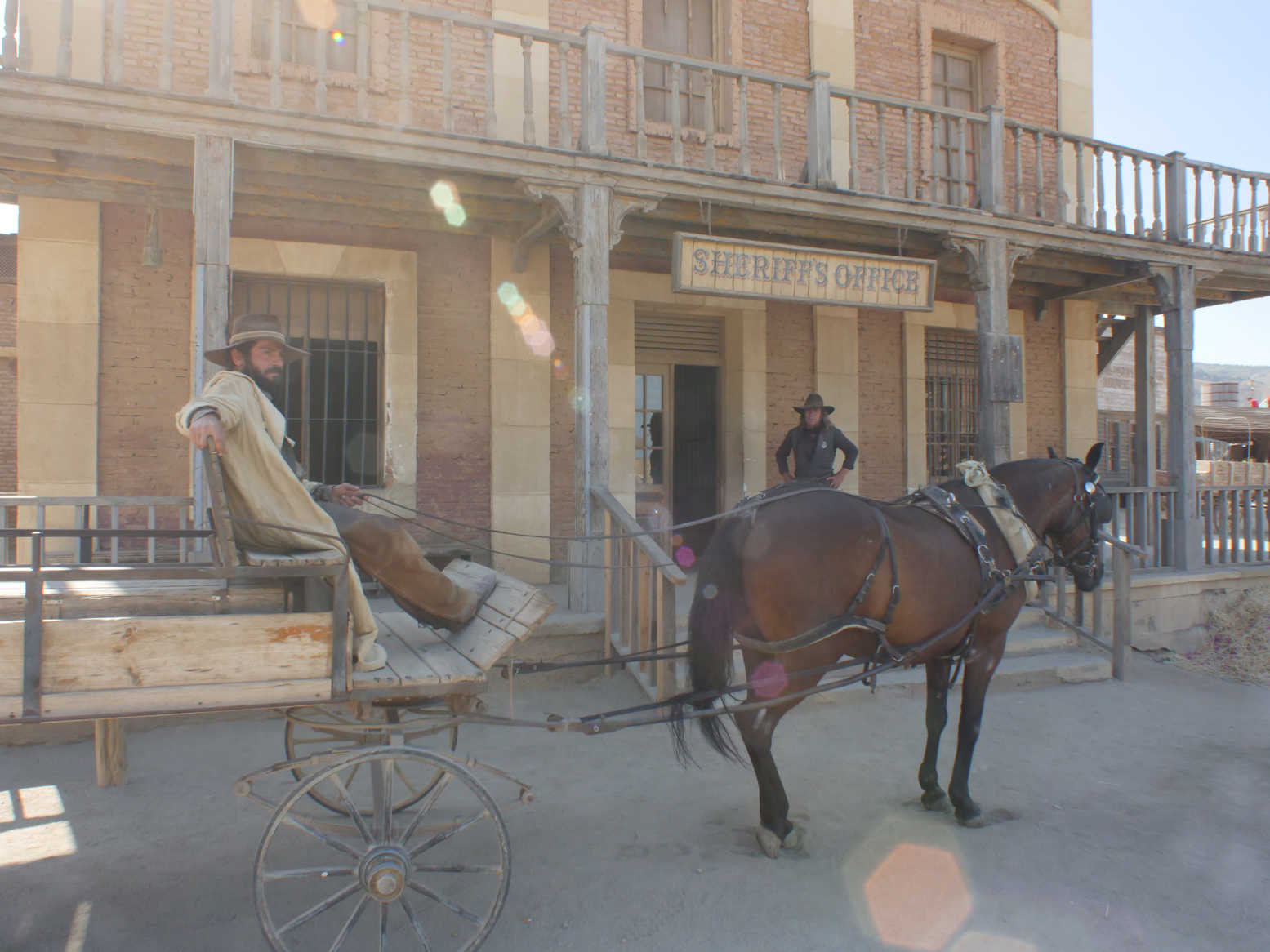
Again, the number and shape of the aperture blades affect how these ghost patterns look. More blades often mean rounder or more symmetrical ghosts. You’ll often see ghosting when shooting toward the sun or another strong light.
Veiling flare
A veiling flare (also known as a veiling glare) is a soft, hazy glow that lowers contrast and makes blacks look washed out. It usually happens when a bright light source is just outside the frame. You won’t see sharp shapes; instead, you’ll see a foggy overlay that reduces detail and clarity.

Veiling flares are more common in older lenses or less expensive glass without good coatings. You can reduce it by using a lens hood or adjusting your angle slightly.
Anamorphic streak
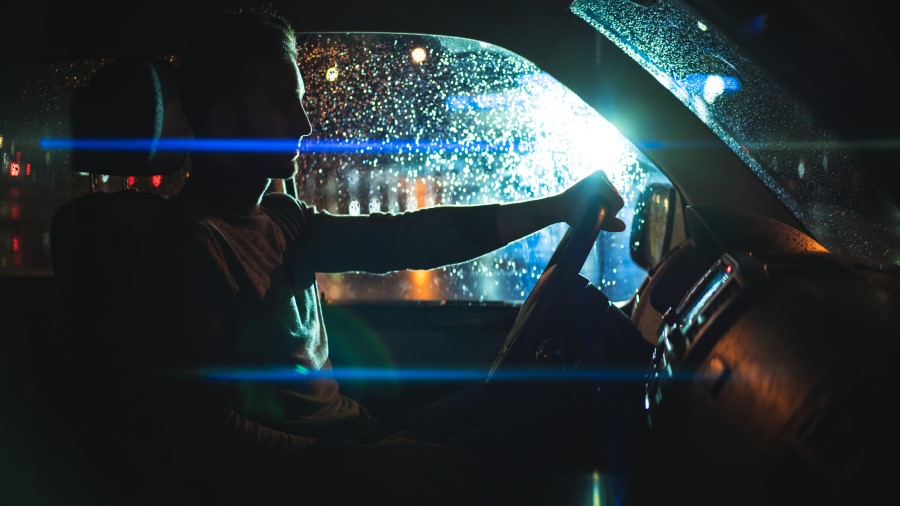
Anamorphic lens flares consist of a long, wide horizontal line of light that stretches across the frame, often blue or gold. It’s a signature of anamorphic lenses, which squeeze the image to get a widescreen look. You can also create this look with a special streak filter. You’ll often see it in sci-fi or action movies when lights flare across the lens. These streaks give a stylized, cinematic feel.
Sensor or red-dot flare
Sensor (also known as red-dot flares) are tiny colored dots (usually red, green, or purple) that appear in digital images, especially with mirrorless cameras. They’re not caused by the lens, but by light bouncing between the back of the lens and the sensor. Here’s an example:
The dots often show up when a strong light source hits the sensor at an angle. You’ll usually spot them in night shots or high-contrast scenes.
Should You Avoid or Use Lens Flare?
Flare isn’t always bad. Sometimes it ruins your image by washing out shadows or adding ugly artifacts. Other times, it makes the shot feel alive or natural.
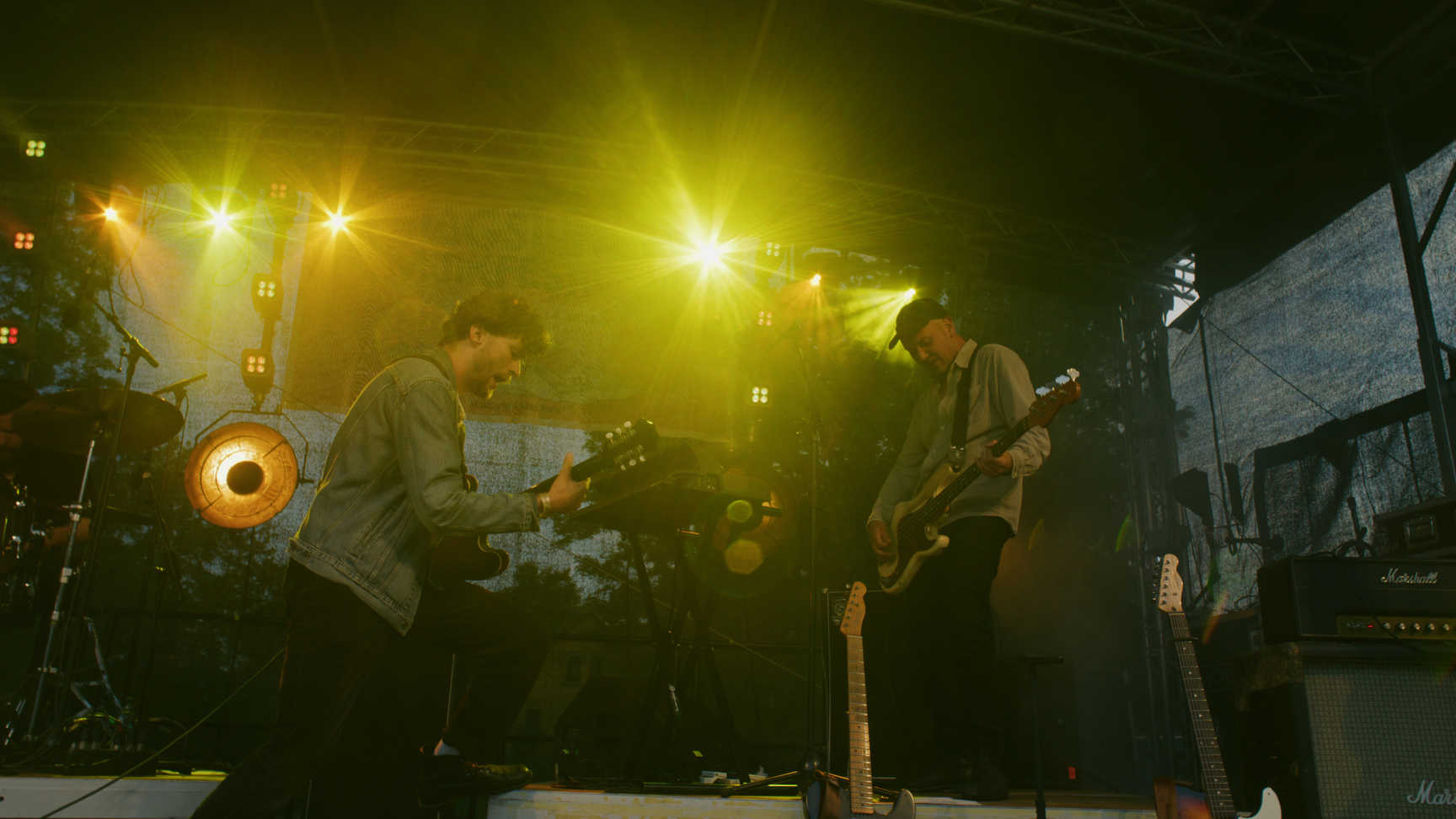
If you’re shooting a commercial or a product close-up, you’ll probably want to block it. But if you’re filming a road trip or a summer memory, a little flare might feel right. I love using lens flares creatively when I’m shooting concerts – for both photos and videos.
The key is knowing how it works so you can make that choice instead of leaving it up to chance.
How to Avoid Lens Flare in Photography and Film
To avoid a flare, the easiest solution is to use a lens hood. It blocks light from hitting your lens at harsh angles. I always keep mine on when walking around, because it also protects the glass from scratches. Clean gear helps too.
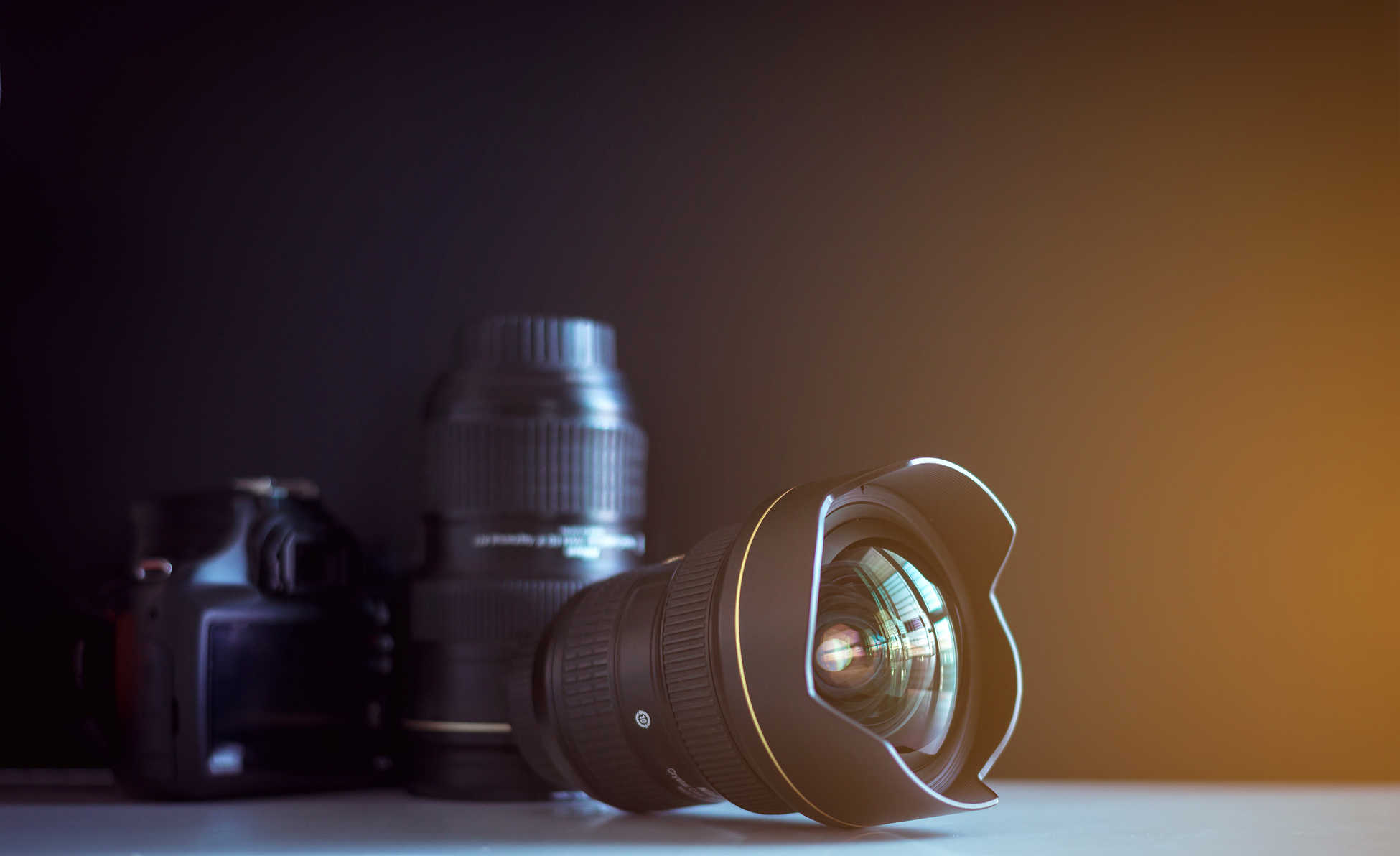
Fingerprints or dust scatter light, making the flare worse. Removing unnecessary filters cuts down reflections. Some photographers use their hand or a piece of black card just outside the frame to block the sun.
You can also try changing your angle or waiting until the sun moves. Even shifting your position by a few inches can make flare disappear completely.
If you’re getting starburst rays that feel too sharp, open your aperture to f/4 or wider to soften or remove them. Wide apertures make flare less defined and easier to control.
How to Use Lens Flare Creatively
When you’re going for emotion, nostalgia, or energy, lens flare can help. A sun flare peeking through leaves adds life to a portrait. Ghosting spots can guide the viewer’s eye through the frame. A veiling flare gives a scene a warm, hazy tone, perfect for summer.
If you’re shooting music videos or sci-fi, an anamorphic streak might be exactly what you want. You can get it with a real anamorphic lens or a streak filter.
The trick is to plan your aperture, lens, and framing so the flare feels deliberate. Use it when it adds meaning, not just because it happens by accident.
Summing Up
Lens flare happens when bright light reflects inside your lens. It can look like rays, streaks, or soft haze. Sometimes it helps, sometimes it hurts. You can block it with a hood, clean it up with better lenses, or use it to add style. What matters is control. If you know the cause, you decide whether to keep the flare or make it disappear.
Read Next: Want to level up your photography skills?
Explore our Photography section for guides on lighting, composition, camera settings, and creative techniques across genres like portrait, landscape, and street.
Whether you’re shooting on a mirrorless camera or your phone, you’ll find sharp, practical tips to take more intentional and creative photos.
Also check out our Visual Composition section, with deep dives into framing, color psychology, and visual art history—key tools for any photographer thinking like an image-maker.
