

Published: May 13, 2024 | Last Updated: February 4, 2026

Overview
Definition: An analogy is a comparison that explains how something works, what it means, or why it matters by showing how it is like a more familiar thing in one specific way.
What you’ve seen before: You have seen a character explain a hard idea by switching to a simple everyday situation so everyone understands the point.
Example: In a script meeting, a writer pitches a thriller structure by saying it works like a pressure cooker. Every scene adds heat. The lid stays on. A small trigger finally releases the steam. Now the team can talk about pacing, escalation, and payoff with the same shared picture.
Why it matters: An analogy helps you make fast, creative decisions because it gives the whole team the same mental model. It also exposes weak logic because the comparison collapses when the parts do not line up. A tight analogy makes notes easier to act on and revisions easier to aim.
- Key takeaway 1: Pick a familiar source your team already understands, then map it to one specific target problem.
- Key takeaway 2: Keep the shared features tight because loose analogies lead to confusing notes and wrong fixes.
- Key takeaway 3: Use the analogy to test structure. If the steps do not match, the idea needs rework.
Next, we separate analogy from simile and metaphor. Then we break down target, source, mapping, and limit so you can build strong ones on purpose.
What is an analogy? Meaning & Structural Ingredients
As stated above, an analogy explains a hard idea by lining it up with a familiar system, so you can track the same relationship in a new place. That said, an analogy also needs a four part structure to work:
The four parts that make an analogy work
Think of an analogy as a simple structure you can check.
- Target: What you want to explain.
- Source: What you borrow the comparison from.
- Mapping: The shared relationship. This is your “because” line.
- Limit: Where the comparison stops matching, so you do not over-apply it.
If you cannot state the mapping in one sentence, the analogy is probably too loose. If you cannot name the limit, the analogy can push you toward bad notes and wrong conclusions.
Is this an analogy? (3 checks)
Use this quick test before you call something an analogy.
- Stopping point: Does it include a limit, stated or implied, so you know what not to carry over?
- Two unlike things: Does it compare two different things, not two near-synonyms?
- Relationship, not a label: Does it explain how the parts line up, not just “X is like Y”?
Analogy vs. Related Devices
Several devices compare one thing to another. The difference is how much structure you map and how far the comparison runs.
Analogy vs. Simile vs. Metaphor
Simile
A simile is a quick comparison that uses “like” or “as.” It usually does not explain the relationship in detail.
Example: “Life is like a mountain.”
Metaphor
A metaphor states the comparison as if it is literally true. It often aims for a strong image in one move.
Example: “Life is a mountain.”
Analogy
An analogy explains the comparison, so it teaches a relationship or supports a conclusion.
Example: “Life is like a mountain. Climbing takes time. Progress comes in small steps. The view shows up after sustained effort.”
Rule of thumb: If you explain how the parts line up, you are in analogy territory.
Analogy vs. Extended Metaphor
An extended metaphor keeps returning to the same image across lines or scenes. It develops one comparison over time.

Example: Inside Out (2015) turns mental processes into a literal “control room” with characters at a console. The film keeps the metaphor running across many scenes.
An analogy is usually more direct. It lines up a relationship side by side so you can understand the point fast.
Analogy vs. Allegory
An allegory is a whole narrative where characters, settings, and events stand for a second layer of meaning. The entire work functions as one sustained symbolic system.

Example: Animal Farm (1954) is an allegory because the characters and events mirror political history across the whole film.
Bridge to the film examples below: Some films can be read as allegory and also discussed with analogy-style mapping. In this article, “movie as analogy” means you can state a clear target, source, and mapping, even if the film supports other readings too.
Plato’s Allegory of the Cave is an allegory, not a simple analogy, because the whole story maps onto a second meaning (appearance, belief, and truth). If you want the full breakdown and how it applies to film, see the FilmDaft page on the Allegory of the Cave.
Analogy vs. Symbolism
Symbolism uses one thing to stand in for a deeper idea. A symbol does not need a step-by-step mapping.
Example: A dove often stands for peace.
Read more about symbolism in film.
The Different Types of Analogies
There is more than one type of analogy. It helps to treat analogies as tools you pick for different jobs.
Literal analogies
Literal analogies compare two things based on real, testable similarities. The relationship is observable.
Example: Heart : human :: engine : car
Mapping: Both keep a system running. The heart circulates blood through the body. The engine powers the car.
Figurative analogies
Figurative analogies compare ideas and relationships, not physical mechanisms. Many start as a metaphor and become an analogy when you add the mapping and the limit.
Metaphor starter: Time is a thief.
Analogy version (with mapping): Time works like a thief because both take something you cannot fully protect, and you often notice the loss after it is gone.
Limit: A thief chooses to steal. Time does not choose anything.
Common analogy relationship patterns
Sometimes you will see analogies taught as A : B :: C : D. That format is useful for drills and quick checks.
| Type | What it compares | Example (A : B :: C : D) |
|---|---|---|
| Synonym | Near-same meaning | sad : unhappy :: joyful : glad |
| Antonym | Opposites | hot : cold :: high : low |
| Part to whole | Piece and container | finger : hand :: toe : foot |
| Cause and effect | Action and result | exercise : health :: reading : knowledge |
| Object and function | Tool and job | pen : write :: knife : cut |
| Degree | Intensity level | warm : hot :: cool : cold |
| Effort and result | Work and outcome | training : strength :: studying : knowledge |
| Problem and solution | Need and fix | lock : key :: question : answer |
| Sequential | Stage change | caterpillar : butterfly :: child : adult |
| Characteristic | Thing and trait | skunk : stench :: rose : fragrance |
Note: These patterns help you spot relationships fast. In scripts and film analysis, the most useful analogies still need a clear mapping and a clear limit.
How to Build a Strong Analogy
This is the simplest process that stays honest. It forces you to state the relationship, not just name a comparison.
Step 1: Name the target
Target is the idea you want to explain. It is often abstract or unfamiliar. In production talk, it might be pacing, tone, or a character arc.
Step 2: Pick a source your team already knows
Source should be familiar enough that people agree on how it works. If your source needs a long explanation, you lose the benefit of the analogy.
Step 3: Write the mapping as one sentence
Mapping is the shared relationship. Write it as a “because” line.
Step 4: Name the limit
Limit is the boundary that keeps the analogy from drifting. It protects you from bad fixes.
A template you can steal
Template: The target works like the source, because A relates to B the way C relates to D. The analogy stops working when __.
Example: Running a film set is like conducting an orchestra, because both require timing, coordination, and communication across specialists. The analogy stops working when you treat people as instruments with no agency.
Analogy as a Writing Tool
In scripts, analogies can explain a character’s point fast. They also reveal what the character notices and how the character thinks.
Common analogy starters
Many everyday comparisons start as a short line like “X is Y.” The line becomes a real analogy when you add the mapping and the limit.
Time is money
- Mapping: Both are limited, so you can budget, waste, or invest them.
- Limit: Money can sometimes be earned back later. Time cannot be recovered once it is gone.
The mind is a computer
- Mapping: Both take inputs, hold information, and produce outputs like choices or actions.
- Limit: People react to emotion, stress, memory, and context. Those factors can change the output.
A company is a ship
- Mapping: Leadership sets direction, teams hold roles, and coordination keeps the system stable.
- Limit: A company can rebuild with new hires and new systems. A ship cannot rebuild itself mid-voyage.
Memory is an attic
- Mapping: You keep experiences, forget what sits unused, and lose track of details.
- Limit: Memory is not fixed. Retelling and time can change details.
Words are weapons
- Mapping: Words can defend, attack, threaten, and escalate conflict.
- Limit: Words are not physical tools. Impact depends on context, power dynamics, and the relationship.
Love is a journey
- Mapping: You choose a path together, hit detours, and need fuel like effort and patience.
- Limit: Relationships rarely follow one route. People change and goals can shift.
How to write an analogy in dialogue (3 tips)
- Match the speaker: Pick a source the character would actually know. A mechanic reaches for engines. A chef reaches for heat, timing, and taste.
- Keep one job per analogy: Map one relationship. Do not pile on extra parts.
- Protect the limit: Let the dialogue hint at the boundary. If the analogy can be misread, add one line that narrows it.
Examples of analogies in dialogue
Example 1: Game of Thrones (TV series): “Knowledge is power”
Littlefinger tries to pressure Cersei with information. He treats knowledge as power because it can change other people’s choices.
Cersei answers with a different mapping. She treats power as control over force in that moment. Her point is simple: guards obey now, and that changes the room right now.
Example 2: Forrest Gump (1994): “My mama always said life was like a box of chocolates.”
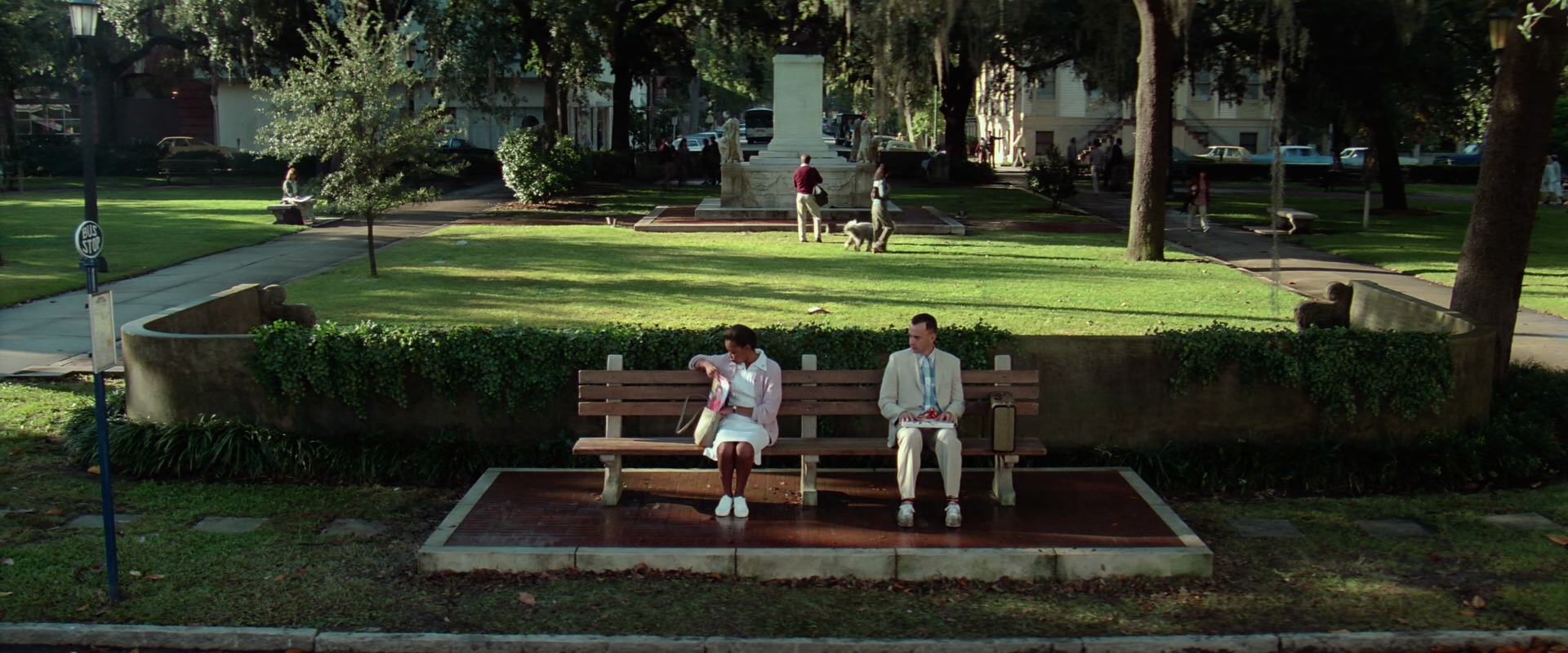
This line works as a figurative analogy about uncertainty. You do not know what you will get when you pick a chocolate. You also do not know what life will hand you next.
Example 3: The Matrix (1999): “A splinter in your mind”
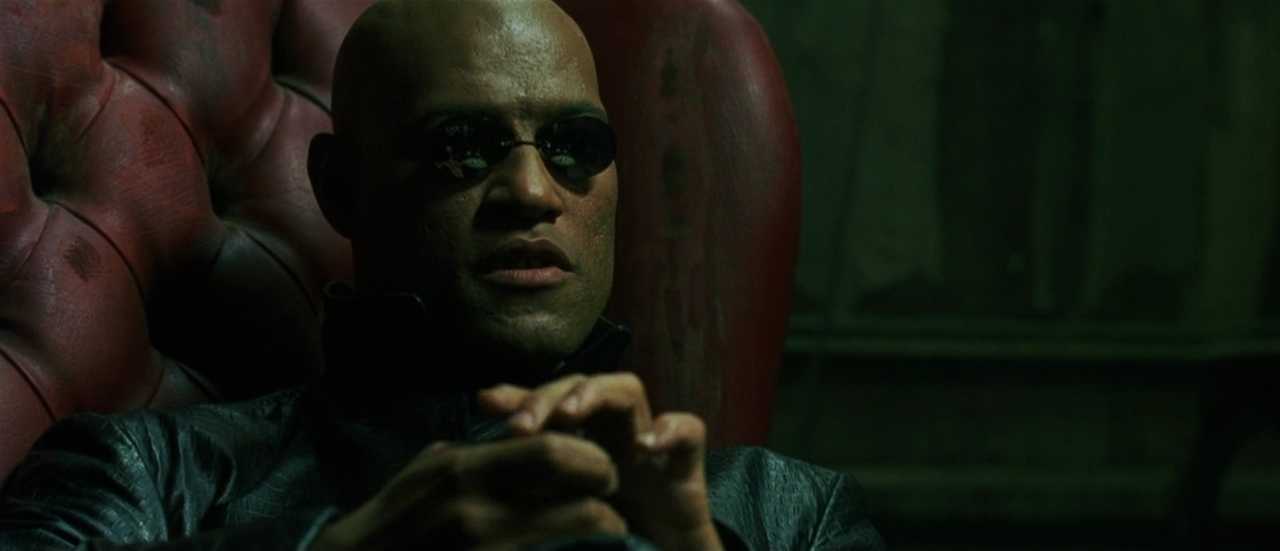
Morpheus describes doubt as a “splinter in your mind.” A small splinter keeps demanding attention. A small doubt can keep pressing until you question the whole situation.
Note: The same film also supports a larger “movie as analogy” reading (see below.) This is the same idea at two scales. One is a line of dialogue. One is the whole premise.
Common Mistakes: Weak and False Analogies
Analogies can mislead when the comparison is too thin to support the conclusion. These checks help you avoid weak mapping.
The “looks similar, so it must be similar” mistake
A false analogy happens when two things share a surface resemblance, and you import rules or causes that do not belong.
Weak analogy example: “A film set is like a battlefield, so shouting at people is justified.”
Both situations can feel stressful. The stakes and consequences are different. A battlefield involves life-or-death risk. A film set is planned work with safety rules. That difference breaks the argument.
The one-to-one mapping trap
Most analogies do not match in every detail. When you force every detail to match, the comparison stretches past what it can support. That is where notes get weird and fixes drift away from the real problem.
Is it a strong analogy? (3 checks)
- Decision test: Does the analogy help you pick a specific revision, shot choice, or structure change?
- Mapping test: Can you state the mapping as one sentence without hand-waving?
- Limit test: Can you name one clear place where the analogy stops matching?
Analogy as a Film Analysis Tool
Some films use analogy at a whole-plot level. Other films use it through images and edits. You can analyze both with the same approach.
- Name the target idea.
- Name the source system the film sets up.
- State the mapping as a relationship, not a theme word.
- State the limit, so your reading stays grounded.
Movies that can be read as analogies
Here are some great examples of movies that can be read as analogies for something else.
District 9 (2009)
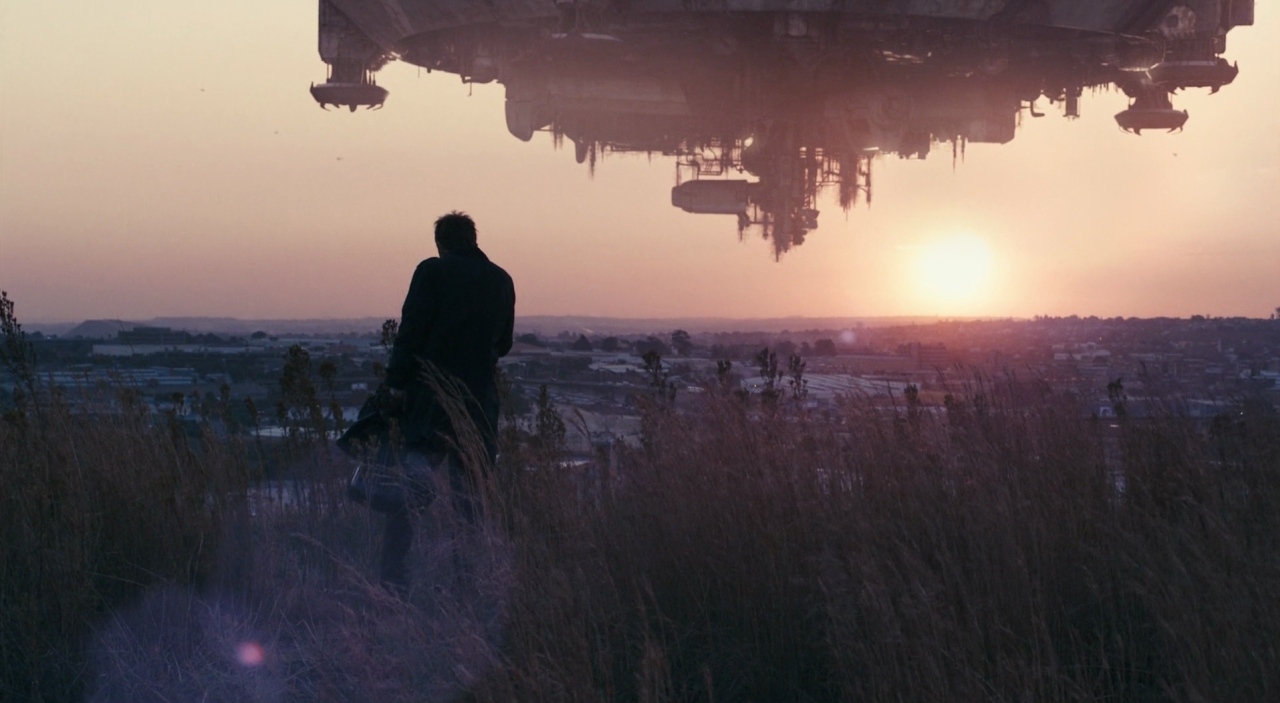
- Target: Segregation systems and racial oppression.
- Source: Aliens treated as refugees under strict rules and forced relocation.
- Mapping: The film shows how fear, bureaucracy, and separation create a social machine that keeps “outsiders” contained.
- Limit: Aliens are not a one-to-one stand-in for any single group. Treat it as a structural comparison, not a full replacement.
Fight Club (1999)
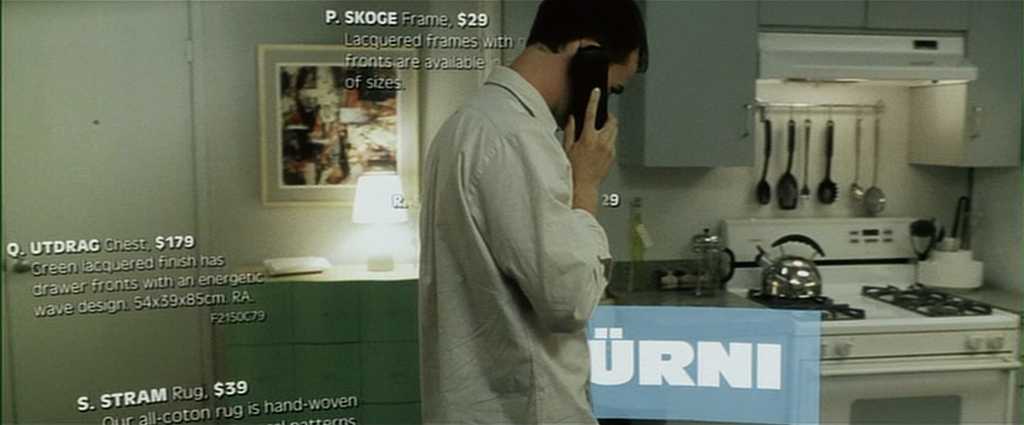
- Target: Identity built through consumption, plus a crisis of self.
- Source: A protagonist who splits into two opposing selves.
- Mapping: The split externalizes a conflict between conformity and destructive rebellion. The film frames products and status as a false “self.”
- Limit: The film’s psychology is heightened for effect. Do not treat the plot mechanics as a literal model of mental health.
The Matrix (1999)
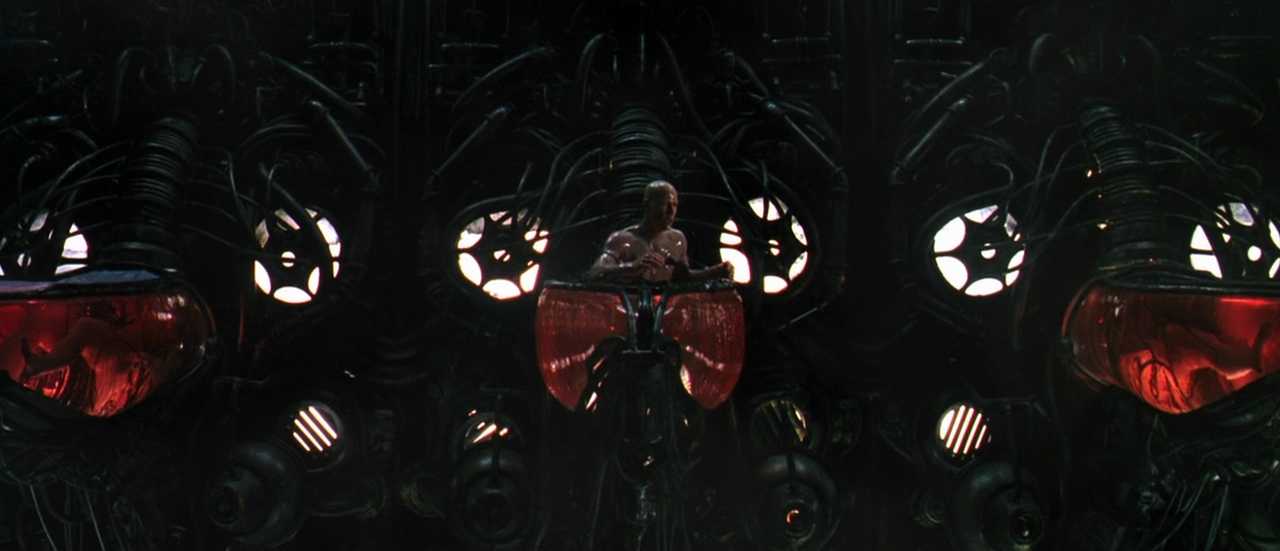
- Target: Control versus liberation.
- Source: A simulated world that keeps people passive, plus a system that harvests their bodies.
- Mapping: The film turns invisible control into visible architecture. You can point to rules, enforcement, and the cost of waking up.
- Limit: The film supports multiple readings. Keep your mapping specific, then stop before it becomes “everything means everything.”
Apocalypse Now (1979)
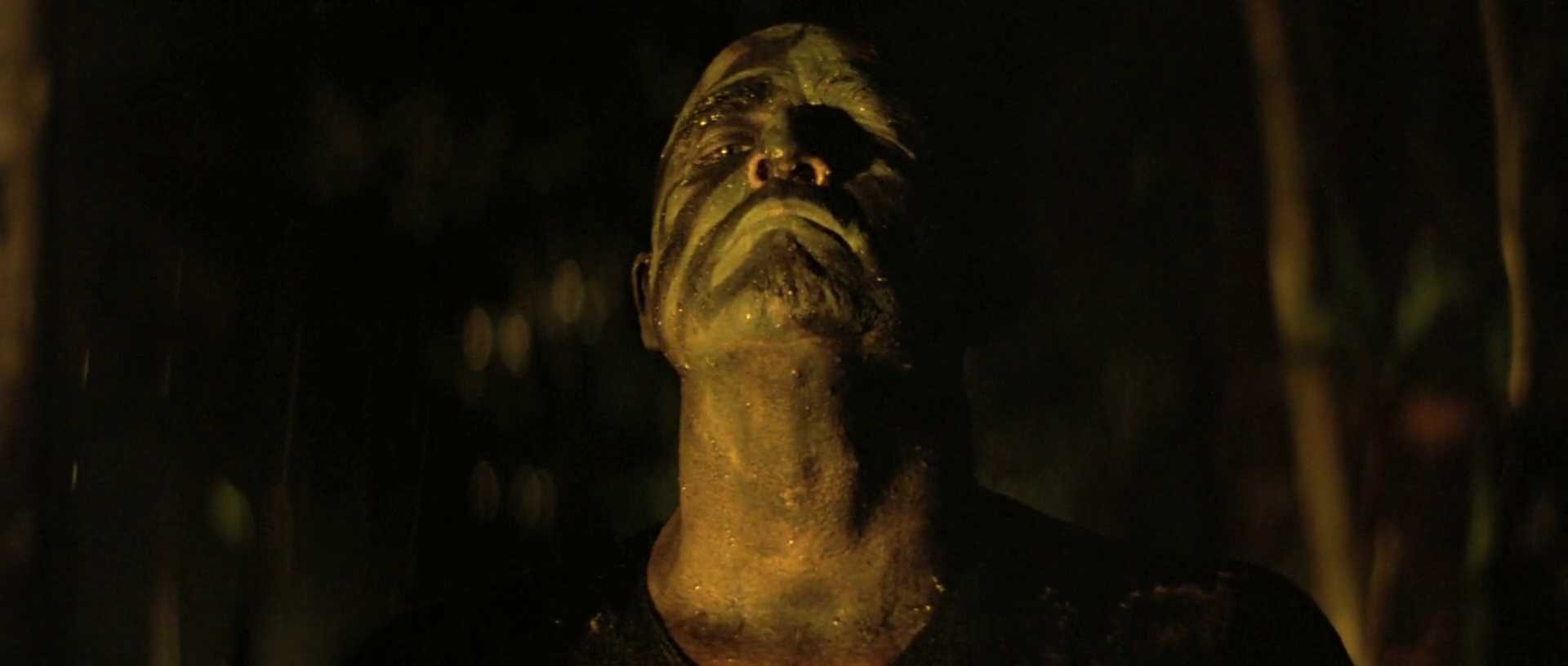
- Target: Moral collapse under violence and power.
- Source: A river journey deeper into a war zone.
- Mapping: Physical travel mirrors psychological unraveling. Each step deeper removes restraint and normal rules.
- Limit: A journey structure is a frame, not a proof. The film explores moral breakdown, but it does not reduce war to one simple lesson.
Narrative analogy vs. visual analogy
Film analogy often shows up in two main forms. One uses plot structure. One uses form.
Narrative analogy
- You can pitch the premise as “What if X worked like Y?”
- The film repeats the same social or moral pattern across scenes.
- You can summarize the point without naming specific shots.
Visual analogy
- The film creates meaning by placing two images in a relationship.
- You connect the images, then you supply the shared idea.
- The cut, framing, or repetition carries the point without dialogue.
Visual Analogies in Film
A visual analogy is not a random visual trick. It is a planned relationship between images that pushes one clear idea.
What a match cut is
A match cut links two shots through similarity in shape, movement, composition, or sound. The connection makes the transition feel motivated.
Case study: 2001: A Space Odyssey (1968, MGM)
Stanley Kubrick cuts from a bone tossed into the air to an orbiting spacecraft. Many viewers read the spacecraft as the next-stage version of a tool that can also be a weapon. That is analogy through interpretation.
- Graphic link: Bone and spacecraft share a similar silhouette and placement, so the cut feels motivated.
- Conceptual mapping: The bone functions as a tool and a weapon. The spacecraft echoes the same idea at a higher technological level.
- Compressed point: The edit links human development to tool-making. It suggests that power scales with technology.
How to build a match cut that works like an analogy
If you want a match cut to carry meaning, plan the relationship first. The edit should express the mapping on its own.
- Pick two objects or actions that match in shape or motion.
- Write the shared idea as one sentence.
- Let the cut carry the comparison. Keep dialogue minimal.
Summing Up
An analogy becomes useful when you state the mapping. Name what the source and target share, then name the limit so you do not push the comparison too far.
In scripts, analogies can sharpen dialogue and reveal character voice. In film analysis, analogies help you describe how a narrative pattern or an edit points to a larger idea through structure.
Read Next: Want to dig deeper into screenwriting?
Start with the Screenwriter’s Toolkit on literary devices vs. elements – a deep resource covering every major literary device and element used in writing.
Then explore our collection of practical writing techniques covering dialogue, structure, and pacing.
Or jump into the free screenwriting course to start your first draft today.
You can also head back to the Screenwriting section for more tools, theory, and breakdowns.