

Published: October 2, 2025 | Last Updated: April 24, 2026

What is Suspension of disbelief? Definition & Meaning
Suspension of disbelief is when you accept unrealistic or impossible elements in a story so you can stay emotionally connected to what’s happening. You know it’s not real, but you go along with it so the story works.
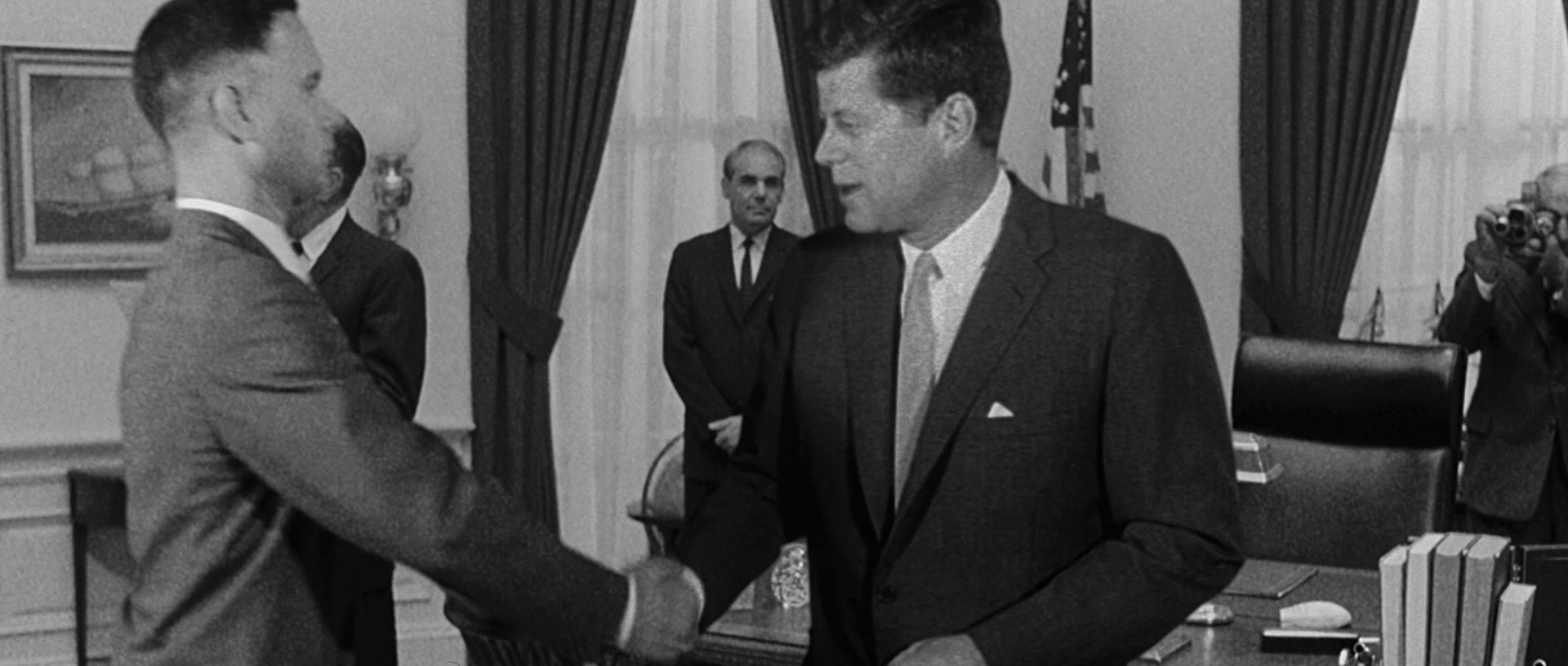
In film, suspension of disbelief helps explain why you can feel sympathy for anthropomorphic animals or care about superheroes and made-up dream worlds. That’s because you aren’t tricked into thinking they’re real; instead, you just agree to accept them for the sake of the story.
Origins & Theory

The term came from poet Samuel Taylor Coleridge in 1817. He called it a “willing suspension of disbelief,” where a reader agrees to accept the impossible if the story includes enough human truth. Earlier thinkers like Aristotle also believed that emotional connection matters more than realism.
Modern versions of the idea connect to psychology. The viewer makes a conscious choice to overlook logic gaps or fantasy elements as long as the world feels consistent. This leads to the paradox of fiction: how can you feel real emotions for something you know is made up?
Why Suspension of Disbelief Works: The 4 Pillars of Believability
Suspension of disbelief matters because it keeps you inside the story. If the world or characters break the rules too often, it snaps that emotional connection.
When disbelief is suspended, you experience full immersion, i.e., you feel present in the story world. This lets you escape real life and focus entirely on what’s happening onscreen. That desire to step away from daily life is called escapism. It’s one reason stories can have such a powerful emotional effect.
The 4 Pillars of Believability are the key elements that help a story earn and maintain your suspension of disbelief. When all four are working together, the audience stays inside the story. When one breaks, the illusion cracks:
- Internal consistency: The world can be strange, but it must follow its own rules.
- Strong character motivation: You accept the world more easily when characters react honestly.
- Clear emotional stakes: If you care about what happens, you’ll go along with it.
- Technical immersion: Sound, editing, visuals, and tone help sell the world as believable.
Without these things, you start noticing flaws. The illusion fades. A strong emotional response requires belief, at least during the scene.
Examples of Suspension of Disbelief in Film
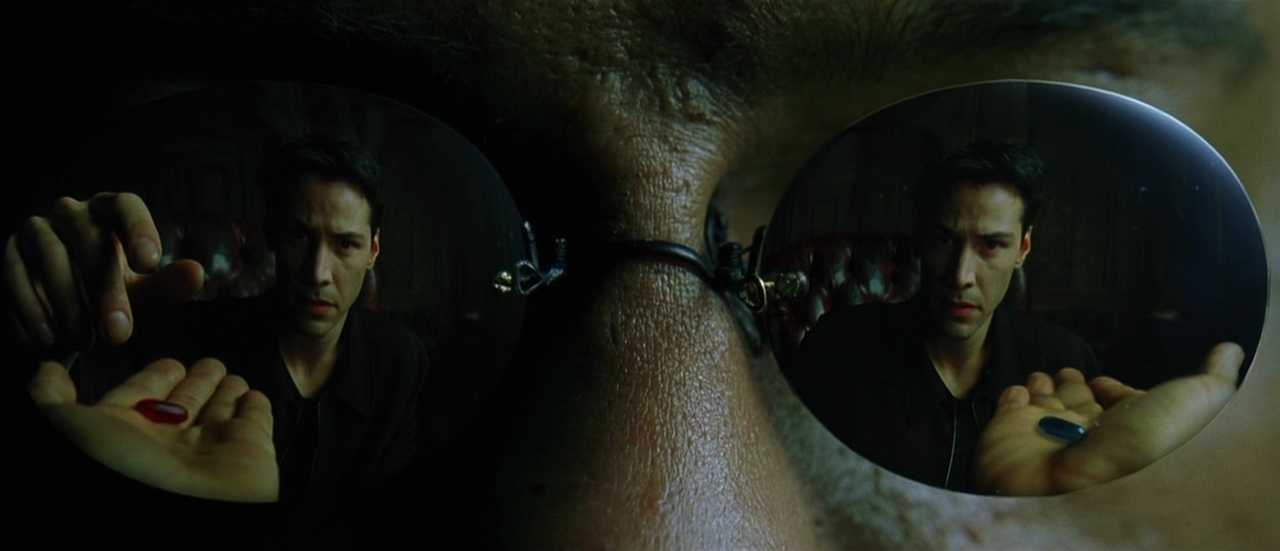
Each of these films includes unrealistic elements, but they work because the story builds a world that feels consistent and emotionally grounded. Here’s how different movies earn your belief:
- The Matrix (1999): You accept the story’s premise that the real world is a simulation. The film supports this with clear rules, serious performances, and consistent logic.
- Jurassic Park (1993): Cloning dinosaurs isn’t realistic, but the story uses science-like explanations, strong effects, and grounded character reactions to sell it.
- Avatar (2009): The world of Pandora includes alien biology and psychic animal bonds. It all works because the worldbuilding is deep and consistent.
- The Lion King (1994): Talking animals with human emotions feel natural because the film builds and sticks to its own rules.
- Forrest Gump (1994): Forrest meeting multiple presidents feels unrealistic, but the structure and tone of the film make it believable within its story logic.
When Suspension of Disbelief Breaks
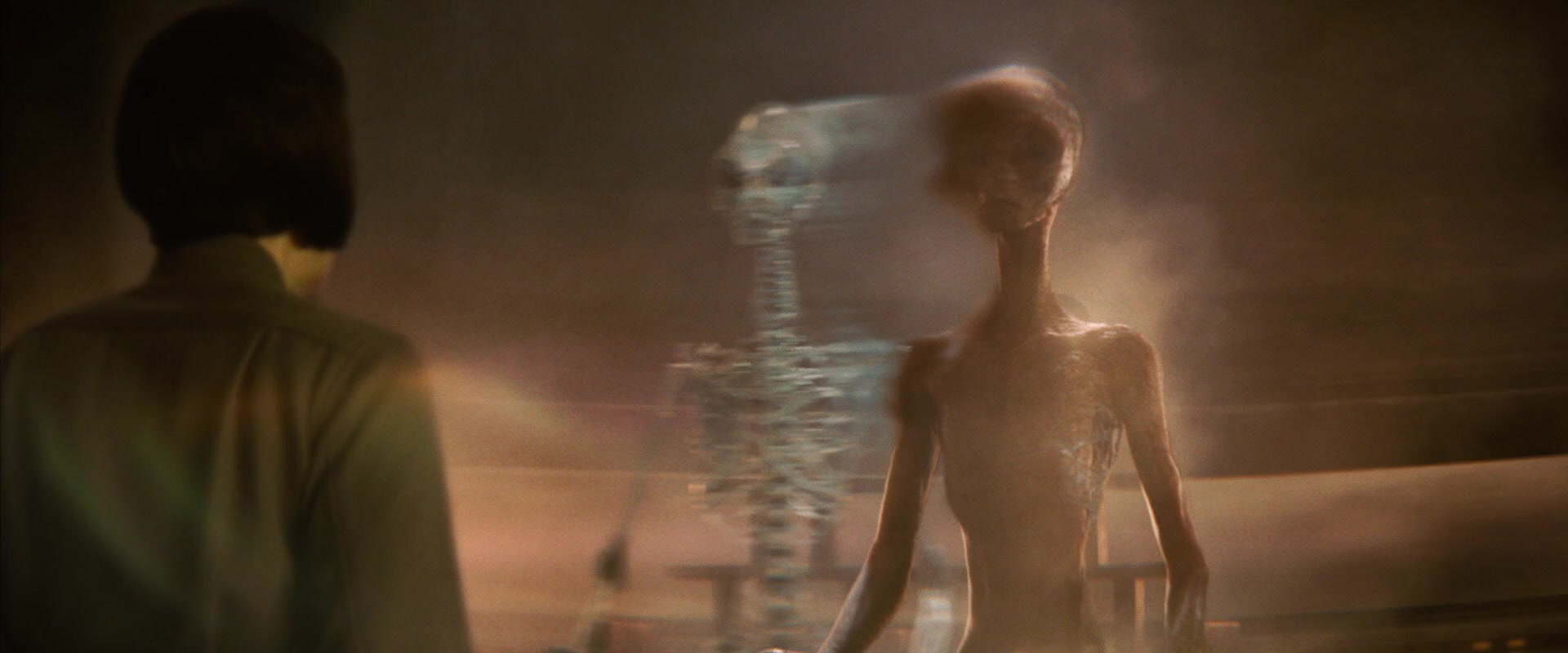
Disbelief breaks when a story pushes past its own limits. That might be through poor effects, inconsistent tone, or sudden plot changes that don’t feel earned. Below are some of the most common reasons suspension of disbelief fails:
- Characters act without logic or clear motivation
- Special effects look fake or unfinished
- The tone shifts suddenly without setup
- Plot devices appear without cause or warning
In Indiana Jones and the Kingdom of the Crystal Skull (2008), the introduction of aliens didn’t match the grounded, myth-based tone of earlier films. Many viewers couldn’t accept that shift, and it damaged the story’s believability.
Sometimes digital characters or effects fall into the uncanny valley, meaning they look almost real, but something feels off. That discomfort can pull you out of the film instantly.
There are also structural limits. Too many “big leaps” in one film can overwhelm the viewer. A good rule of thumb is to keep most things grounded and only ask for one major suspension; you can have time travel or talking animals, but not both.
How to Build It in a Story
If you’re telling a story or analyzing one, these are the most direct ways to keep the world believable and consistent. Use the checklist below to maintain the illusion:
- Set up your world clearly from the start
- Stick to your own logic, even if it’s unrealistic
- Make sure characters have real, honest motivations
- Control tone and pacing so the world feels stable
- Use production design, sound, and lighting to support the world’s reality
- Avoid obvious plot cheats or shortcuts without justification
Everything you include must feel like it belongs in the story world. That world is called the diegesis, meaning everything the characters can see, hear, and react to. If something breaks that world’s logic, it breaks the viewer’s belief as well.
Some films break the fourth wall by having characters speak directly to the viewer. This steps outside the diegesis, meaning it admits the story is being told.
However, it doesn’t always ruin immersion. If the film sets that rule early and sticks to it, you can still suspend disbelief. For example, in Ferris Bueller’s Day Off (1986), Ferris talks to the camera from the first scene. That becomes part of the story’s structure. If a film breaks the fourth wall suddenly, without setup, it usually pulls you out of the moment.
A related device is the aside, where a character speaks directly to the viewer or shares thoughts that other characters can’t hear. Like a fourth-wall break, it steps outside the diegesis, but if it fits the film’s style, it doesn’t always break immersion.
Suspension of Disbelief Across Genres
Different genres ask audiences to suspend disbelief in different ways, and the threshold shifts depending on the contract between filmmaker and viewer.
Science fiction asks you to accept speculative technology, alien life, or future civilizations. The contract is: the science can be invented, but it must be internally consistent. When Interstellar (2014 — Christopher Nolan) bends time near a black hole, it works because the film commits to real physics as its foundation. When a sci-fi film breaks its own rules about how its technology works, the audience notices immediately.
Horror has the most flexible threshold. Audiences walk in ready to accept the impossible — ghosts, demons, cursed objects — because the genre’s emotional contract is about fear, not logic. The Exorcist (1973 — William Friedkin) works because the characters react with genuine terror and confusion. Horror breaks suspension not through supernatural elements but through characters who act irrationally without emotional justification (the “don’t go in there” problem).
Comedy operates under a looser contract where physical impossibility is accepted for the sake of the joke. Airplane! (1980 — Jim Abrahams, David Zucker, Jerry Zucker) piles absurdity on absurdity, and it works because the film never pretends to be realistic. The danger in comedy is tonal inconsistency: if a comedy suddenly asks you to take a dramatic moment seriously after an hour of slapstick, the shift can feel unearned.
Drama and thriller genres have the tightest threshold because they present themselves as grounded in reality. A courtroom drama that gets legal procedure obviously wrong, or a thriller where the protagonist survives physically impossible situations, breaks the contract faster than a fantasy film with a talking dragon — because the drama promised realism and the fantasy did not.
The practical takeaway: know what contract your genre establishes with the audience, and break it only when you have a deliberate reason to do so.
Summing Up
Suspension of disbelief lets you accept the impossible so you can stay emotionally involved in a story. It depends on internal logic, consistent tone, and truthful character behavior. If any of that breaks, so does the experience.
Whether it’s a story about magic, aliens, or something grounded but strange, the storyteller’s job is to make you say: “I’ll go with it.” The best stories earn that trust and never let it go.
Read Next: Curious how film theory shapes the way we watch movies?
Start with the Film Theory section to break down realism, formalism, structuralism, and more — with examples from iconic films.
If you want studying film theory I recommend starting with The FilmDaft overview of film theory discourses to break down realism, formalism, structuralism, and more — with examples from iconic films.
Then explore the full Film History, Theory & Genre collection to see how movements, styles, and storytelling traditions have evolved.
Whether you’re into Soviet montage or 2000s genre mashups, there’s something here to sharpen your understanding.
