

Published: June 17, 2019 | Last Updated: November 13, 2025

What is Composition in art? Definition & Meaning
Composition in art is the deliberate arrangement of visual elements, such as line, shape, color, texture, and space, within a work to guide the viewer’s eye and create structure, balance, and meaning.
Every image, frame, or shot is built through composition. Artists decide where to place each element to make the work feel clear, stable, or dynamic.
Film directors, painters, photographers, and designers all use the same basic principles to control how a viewer sees and understands what’s on screen or canvas.
How Composition Works: Principles and Techniques
Every composition is built from a mix of visual principles and layout strategies. Artists decide how to place elements like figures, lines, or shapes to control the viewer’s focus and balance the frame.
The examples below show how these techniques appear across painting, photography, and film.
Balance
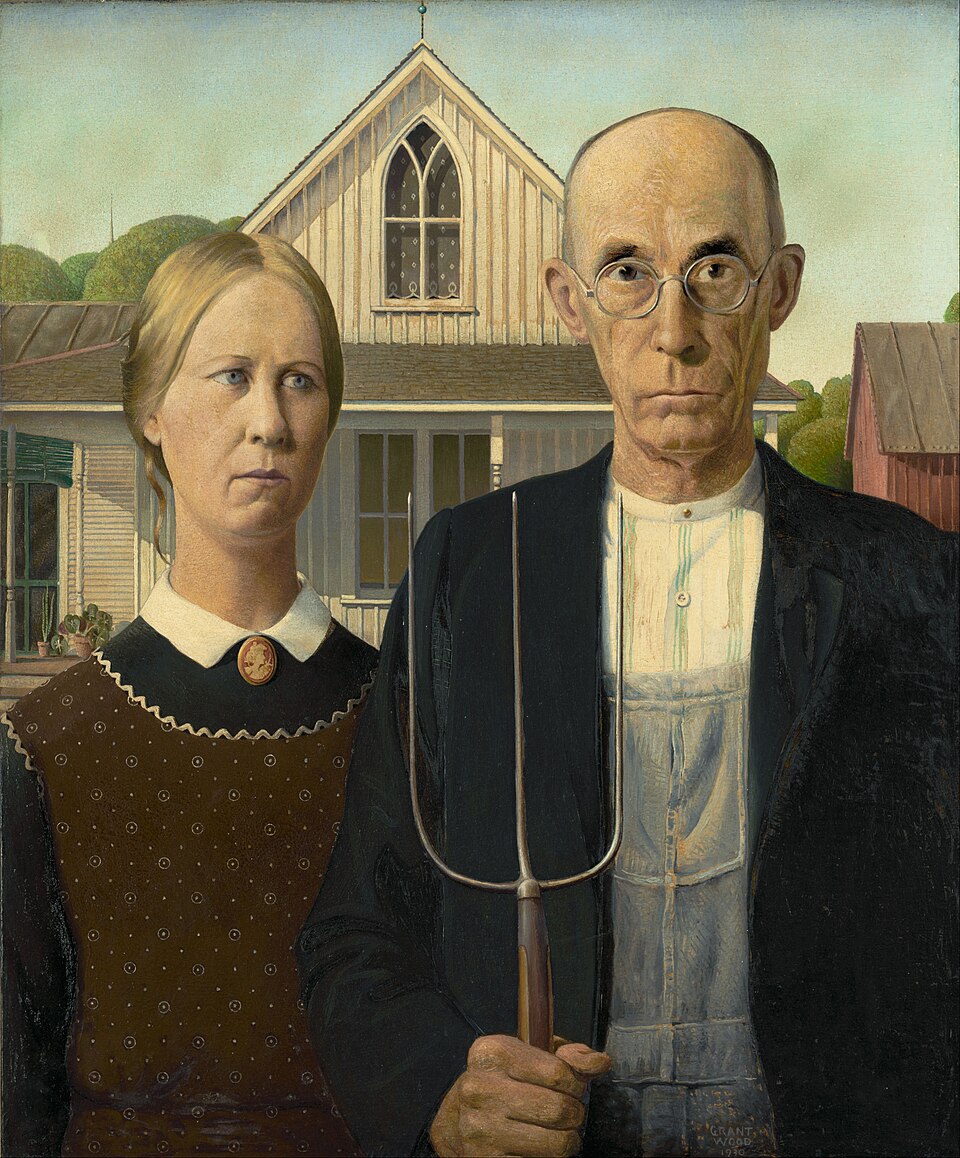
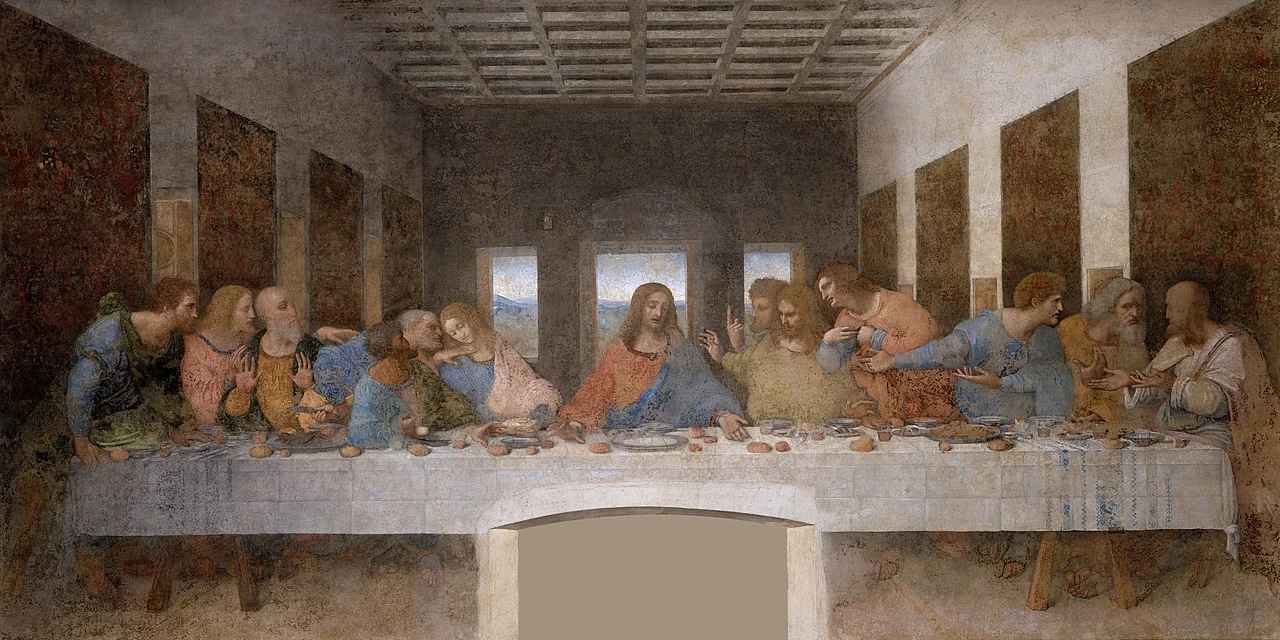
Balance is how visual weight is spread across a composition. Symmetry places elements evenly on both sides. Asymmetry still feels stable but uses size or placement to create balance without repetition.
Many artists use a layout known as the steelyard composition, where a large object is balanced by a smaller one placed farther away.

Flow and Direction
Composition isn’t just about where things are placed. It’s about how the eye moves. Artists use leading lines to guide attention across a frame. Here’s a photo I shot in Copenhagen, with some strong leading lines:

Another method is the S-curve, a shape that flows in a smooth path from bottom to top or side to side. These create rhythm and motion inside a still image.
Ansel Adams’ The Tetons and the Snake River (1942) is a textbook example of how one element can serve multiple compositional roles.
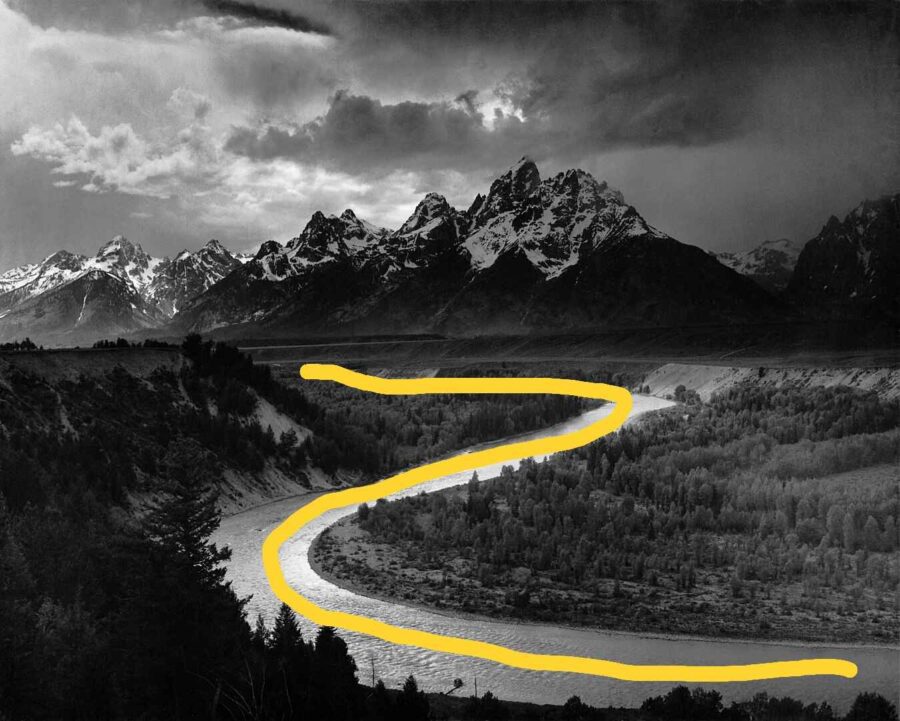
The winding river acts as a leading line that guides the eye through the frame, while its graceful shape forms a classic S-curve, adding rhythm, flow, and depth to the landscape.
Framing and Structure
Artists use framing to focus the viewer’s attention. In classical art, the medallion layout centers the subject inside a stable, often circular structure.

In film, centered framing achieves similar focus and symmetry. This can be done with objects around the subject, or with camera placement and set design.
Rule of Thirds and Golden Triangle

The rule of thirds divides a frame into a grid of nine parts. Placing key elements along the lines or where they cross builds natural tension.
A similar layout is the golden triangle, which divides a composition using diagonals to create dynamic movement.

Depth and Layering
Some compositions rely on depth. Artists use foreground, middle ground, and background to build complexity. In painting, this appears through perspective.
In film, deep focus keeps all layers in view. This technique makes every part of the frame meaningful. A great example of this is Citizen Kane (1941):

See also how many of these principles are applied to visual composition in film.
Summing Up
Composition shapes what we see, where we look, and how we interpret an image. It brings order, movement, and meaning to art, film, and photography. Whether it uses balance, rhythm, framing, or flow, every composition is a choice, and that choice directs how we experience the work.
Read Next: Curious how art movements shaped film?
Explore our full Visual Art Timeline to see how styles like Surrealism, Cubism, and Suprematism influenced cinema’s most experimental moments.
Or keep browsing our Film Movements & World Cinema section for more on the histories that shaped screen culture around the globe.
