

Published: August 7, 2025 | Last Updated: November 20, 2025

What is Character design? Definition & Meaning
Character design in animation is the process of creating the look, personality, and movement style of a character before animating them in a film, TV show, or video game. Characters are what make animated stories work. A good design helps the audience understand who the character is just by looking at them.
Every part of the design (shape, colors, pose, costume) should match the character’s role and mood. If your character looks like they belong in their world and makes people feel something, the design is doing its job.
Character design is about making choices that help tell the story. You want your character to be easy to recognize, easy to read, and ready to move. A strong design makes the character feel real.
1. Silhouette, Proportions, and Size
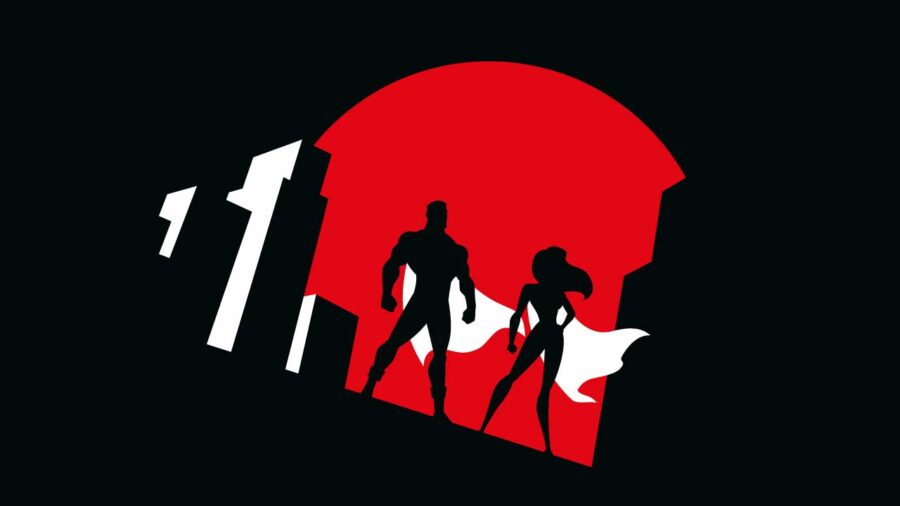
The silhouette is the outer shape of the character. If you fill the character in all black, and people can still recognize them, your silhouette is strong. Silhouettes are one of the most important tools in character design.
Proportions mean the size of one part of the body compared to another (like head to legs). Scale is how big the character is next to others. You can experiment by changing the shape of the body or making many quick sketches to find what works best.
2. Shape Language and Personality

Different shapes give off different feelings. Designers use these shapes to show what a character is like:
- Circles: Friendly and fun
- Squares: Strong and steady
- Triangles: Sharp and dangerous
Repeating the same shape in a character’s body, outfit, and gear makes the design feel connected. A round character might have a round head, round buttons, and a round backpack. A villain might use lots of triangles in their hair, cape, or collar.
3. Color Palette and Contrast

Colors help show mood and personality. Pick one main color and a few supporting colors. Don’t add too many. That can make the design messy or hard to read. The colors should also have contrast (light and dark values) so the character stands out.
Test the design in black and white to see if it still reads clearly. A strong color palette should be easy to remember and easy to animate.
Read more on color psychology and color palettes.
4. Pose, Gesture, and Emotion

The way a character stands or moves tells us a lot about them. That’s why most artists sketch different poses early in the process. A strong pose shows attitude. A shy character might hunch their shoulders. A brave one might stand tall with their arms out.
If your silhouette still works in lots of different poses, your design is solid. The pose should match the character’s emotion, energy, or goal.
Expressions and Body Language in movement
Expressions and posture are a big part of making a character feel real. A smile, frown, or slumped pose says more than words. The way a character moves helps show their emotion, even in silent scenes.
5. Costume, Props, and Symbols
Outfits and props change the character’s silhouette. A big hat, a long coat, or a weapon on their back can change the shape and add story. Props should match the character’s job, mood, or background.

Symbols also matter. For example, a sheriff star means something in a Western. A red hood might mean danger or mystery. Pick a few symbols that add meaning to the design without overloading it.
6. Movement-Friendly Design

In animation, the design needs to move. That means it can’t be too detailed or hard to draw again and again. Big patterns, tons of pockets, or tiny accessories may look good in still art, but they slow down production. It’s the reason why many early Disney characters had four fingers instead of five.
A good character design should allow for stretching, squashing, and fast movement without breaking the look. Clothes, hair, or capes can help show motion naturally.
7. Cast Lineups

When you’re designing more than one character, line them up to check the group. Each character should have a different height, body shape, and rhythm. The best lineups have contrast and variety. If they all look too similar, it gets boring.
You want each character to feel like part of the same world, but not like copies of each other.
How to get ideas for Character Design

Most character designs start with a simple idea. That idea can come from the story, or you can make one yourself. Try combining two things (like “witch” and “knight”) or using a “what if” question to mix up genres. Good designs often come from exploring the world your character lives in.
To help shape the design, you can make a symbol list. That’s a list of words, props, or shapes that match the character’s theme. Then gather references like fashion, weapons, or animals. This gives you a starting point before you begin sketching.
A Step-by-Step Process to Character Design to Get You Started

Most character designs go through a clear process before they’re ready for animation. Here’s how it usually works:
- Start with an idea: Figure out who the character is and how they fit the story. Are they funny, serious, tough, or scared?
- Sketch rough shapes: Try out body types, silhouettes, and poses. Make a bunch of small drawings and see what stands out.
- Clean up the drawing: Pick the best version and add the right details—like the hair, outfit, and props.
- Pick a color palette: Choose a few colors that fit the mood and help the character stand out. Avoid using too many.
- Make a model sheet: Show the character from the front, back, and side. Add facial expressions and a few poses so animators can keep the look consistent.
Once the model sheet is ready, the design is done and ready for production.
Summing Up
Character design is how you bring animated characters to life. It’s not just about looks. You’re building a full personality with shape, color, gesture, and emotion. A good design makes people care about your character, even before they say a word. That’s how characters become memorable. That’s how they feel real.
Read Next: Want to explore the full range of animation styles and techniques?
Start with our Complete Guide to Animation Styles and Techniques — from traditional hand-drawn to motion capture and CGI workflows.
Or browse all animation articles for practical tutorials, creative tools, and deep dives into both 2D and 3D processes.
