

Published: July 3, 2024 | Last Updated: June 30, 2026

Overview
Definition: Apostrophe is when a speaker addresses an absent or unresponsive listener (a dead person, an abstract idea, a place, or an object) as if it could hear them.
Quick note: This page covers apostrophe as a figure of speech, not the punctuation mark (’).
What you’ve seen before: You’ve seen it in scenes where a character speaks to “Dad,” “God,” “Fate,” “Death,” or “this city” even though nobody can answer back.
Example: A character stands at a grave and speaks to the person who died. The character asks for forgiveness or makes a promise. The speech plays like dialogue because the character treats the dead person as the listener.
Why it matters: Apostrophe gives the character a target for every line, so the moment plays as a scene instead of a speech floating in space. It also lets you put theme, fear, or guilt into the character’s mouth as a choice in the moment.
- Key takeaway 1: Name the listener on the page (“Dad,” “God,” “Fate”) so we know who the lines are aimed at.
- Key takeaway 2: Give the address an objective (beg, accuse, confess, plead), not just emotion.
- Key takeaway 3: Build beats so the address turns, like a real scene with shifts in tactics.
Next, you’ll get a clean definition framework, quick tests, common mislabels, and examples that stay strict.
What Is an Apostrophe? Definition & Structure
An apostrophe is a figure of speech where a speaker directly addresses an absent or unresponsive target as if it could hear them.
Apostrophe has three parts:
- Direct address: the speaker talks to the target as “you,” uses a name, or uses a calling form (“O,” “oh,” “my,” “dear”).
- No reply is possible: the target cannot answer in the story moment (dead, absent, unreachable, abstract, or inanimate).
- Scene function: the address does a job (a plea, a vow, an accusation, a confession, a decision).
Common targets include: a dead person, a missing or unreachable person, an abstract idea (time, love, justice, fate), or an object or place (a grave, a photo, a room, a city, the sea).
The term comes from Greek and is often explained as “turning away,” which fits the move on the page: the speaker turns from the normal conversation and addresses a different target.
If you want quick reference definitions outside FilmDaft, see Encyclopaedia Britannica, Merriam-Webster, and Harvard’s poetic terms guide.
Quick identification tests
Apostrophe can sound like normal dialogue, so it helps to pause the moment and ask what the line is aimed at.
- Direct address test: Does the line speak to a target as “you,” use a name, or use a calling form?
- Reply test: Can the target answer right now inside the story, or is a reply impossible in the moment?
- Job test: Is the address trying to do something specific (beg, accuse, confess, bargain, vow)?
If all three tests fit, you can label it apostrophe with confidence.
Common mislabels
A lot of lines sound “big,” so they get labeled as apostrophe by accident. These checks keep your page accurate.
- Theme statement: A line describes an idea without addressing it as a listener. Example: “Hope is a good thing” talks about hope. It does not speak to Hope.
- Personification by itself: Something gets human traits, yet nobody speaks to it as “you.” Personification can set up apostrophe, but it is not the same device. See personification.
- Normal dialogue: The addressee is present and can respond in the scene.
- Aside: The line is meant for you as the viewer, or it creates a private channel other characters do not hear. That fits an aside, not apostrophe.
What apostrophe does in film
Apostrophe is a practical scene tool. It gives the character a listener when no living person fits the moment.
Apostrophe externalizes private thought
Some thoughts cannot come out in normal conversation. Apostrophe gives the character a reason to speak out loud, so you can stay on the face and let the words play as action.
Apostrophe gives emotion a target
Grief, anger, and longing can spill in every direction. Apostrophe points the feeling at one target, so performance has aim and the scene has focus.
Apostrophe makes theme personal through address
Theme can sound general when it stays in “big idea” language. Apostrophe makes it personal because the character speaks to the idea as if it is listening, often with a demand or a promise.
Film examples with scene-level breakdown
These examples work because you can name the setup, the addressee, and the reason a reply is impossible in the moment.
Cast Away (2000, ImageMovers and Playtone): Chuck addresses an object as a listener
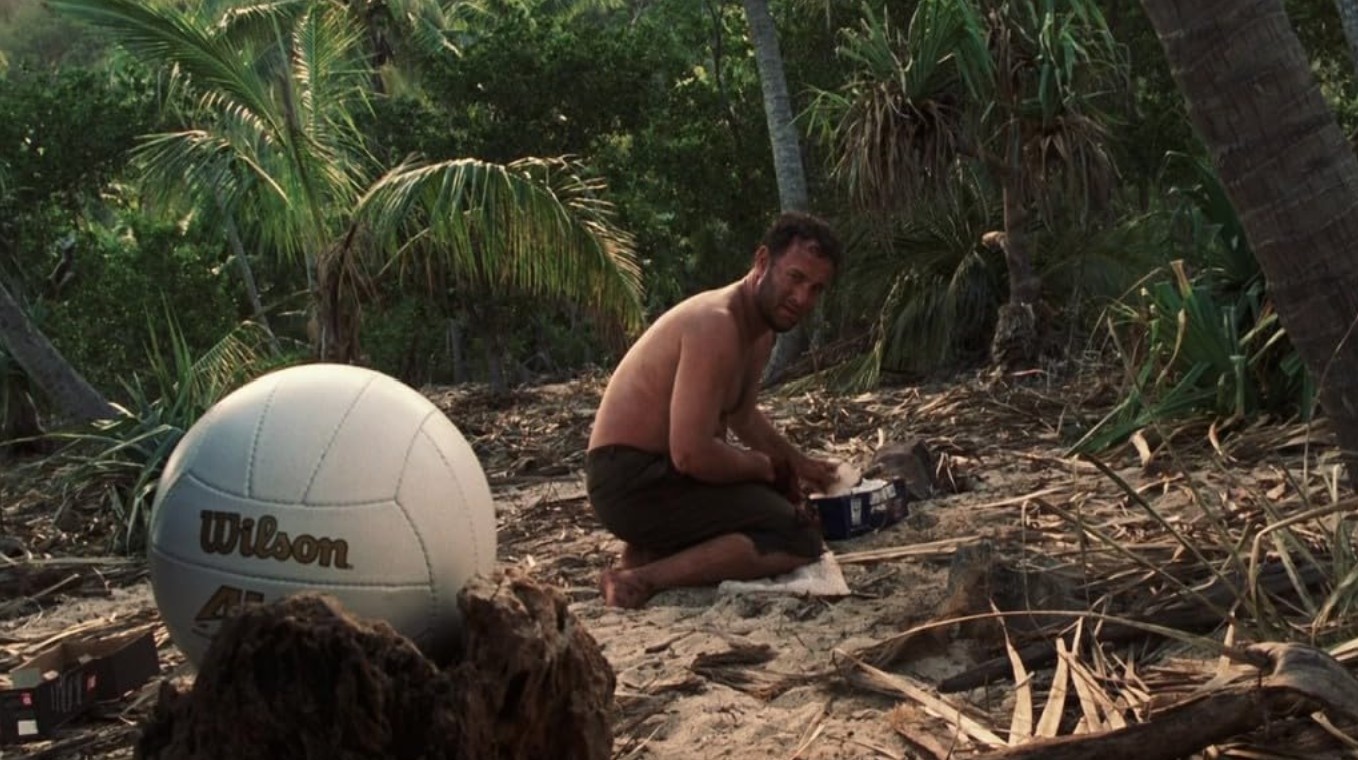
Chuck Noland survives alone, and the volleyball “Wilson” becomes his stand-in for human contact. Chuck talks to Wilson as “you,” which makes the ball a listener in the scene. Wilson cannot reply because it is an inanimate object. That is the apostrophe. The address turns panic and grief into a playable moment with a target.
Gladiator (2000, DreamWorks Pictures and Universal Pictures): Juba speaks to a dead friend

After Maximus dies, Juba speaks to him as if Maximus can still hear him, “And now we are free. I will see you again… but not yet… Not yet!” The addressee cannot respond because he is dead. The address works like a farewell and a promise, so the emotion lands as a scene action instead of a summary.
Forrest Gump (1994, The Steve Tisch Company and Wendy Finerman Productions): Forrest speaks to Jenny at her grave
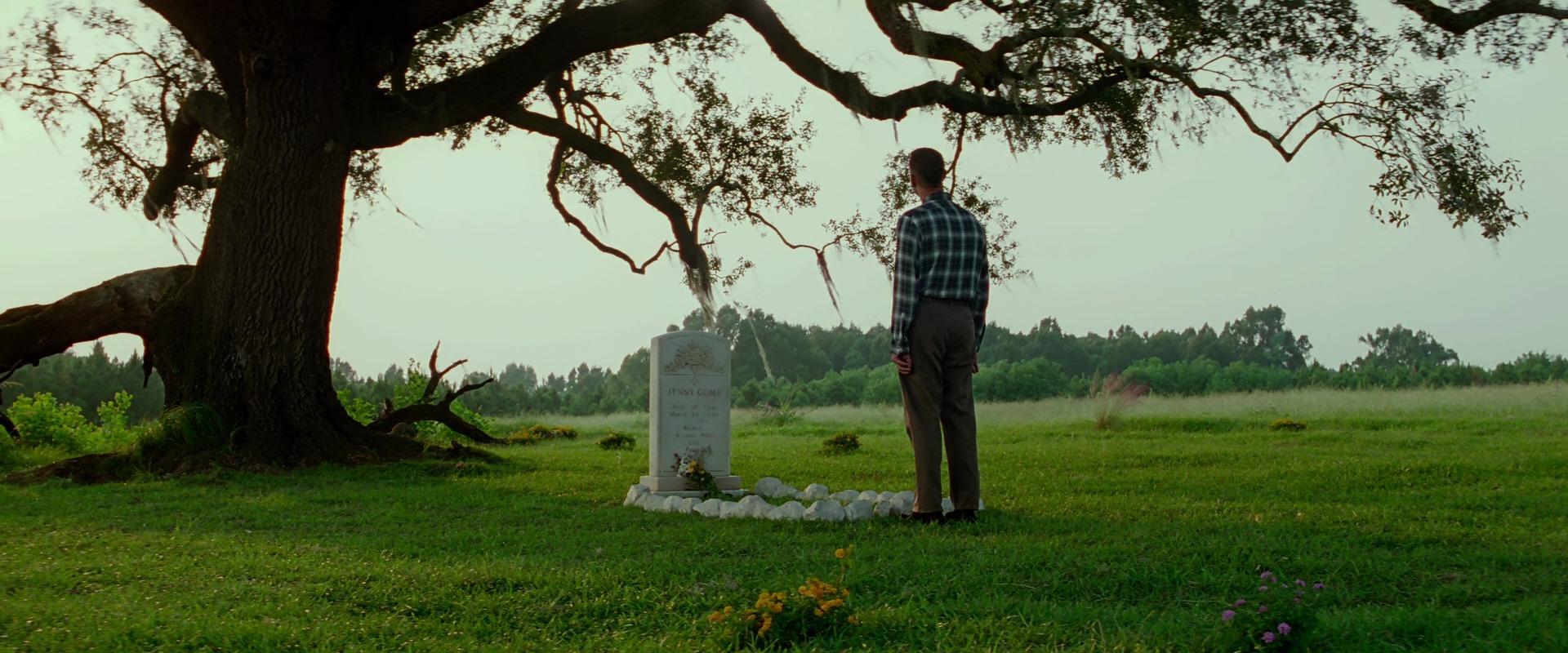
Forrest speaks directly to Jenny at her grave. He talks to her as “you,” and he shares news and feelings that cannot be answered back. The addressee cannot respond in the moment, so the speech qualifies as apostrophe. The address also gives the scene a clear goal, which is connection in a place where connection is impossible.
Literature examples you will recognize
Literature makes apostrophe easy to see because the address is often sustained for multiple lines.
William Shakespeare: Romeo and Juliet (1597)
Juliet calls out to Romeo when she believes she is alone. The address treats Romeo as the listener, and the line frames her conflict as a confrontation with his name and identity.
John Donne (English poet, 1572–1631): “Holy Sonnet X” (“Death, be not proud”)
Donne speaks directly to Death as if Death can hear him. The poem works like an argument aimed at a listener, which is why it is a classic apostrophe example.
William Shakespeare: Julius Caesar (1599)
Mark Antony addresses Caesar after Caesar’s death. The corpse cannot answer, yet Antony speaks as if Caesar is present, which adds grief and persuasion at the same time.
Nearby terms that often overlap in discussion include monologue, soliloquy, aside, and dialogue.
Summing Up
Apostrophe is direct address to an absent or unresponsive addressee. In film, it shows up when a character needs a listener, and the scene provides none. If you check for direct address, no possible reply in the moment, and a clear job the speech is trying to do, you can label examples precisely and keep the page trustworthy.
Read Next: Want to dig deeper into screenwriting?
Start with the Screenwriter’s Toolkit on literary devices vs. elements – a deep resource covering every major literary device and element used in writing.
Then explore our collection of practical writing techniques covering dialogue, structure, and pacing.
Or jump into the free screenwriting course to start your first draft today.
You can also head back to the Screenwriting section for more tools, theory, and breakdowns.
Frequently Asked Questions
These questions come up because several devices sit close to apostrophe. Short answers help you label scenes consistently.
Apostrophe vs. soliloquy
A soliloquy is a form where a character speaks thoughts aloud, often while alone. Apostrophe describes who or what the character addresses. A soliloquy can include apostrophe when the character speaks to an absent person, an idea, a place, or an object as a listener.
Apostrophe vs. aside
An aside creates a private channel for you as the viewer, or it blocks other characters from hearing the line. Apostrophe addresses an absent or unresponsive target inside the story world, such as a dead person, an abstract idea, or an object.
Apostrophe in dialogue vs. voice-over
Apostrophe can appear in spoken dialogue, a monologue, or voice-over. The delivery changes, yet the device stays the same: direct address to a target that cannot answer in the moment.
Apostrophe vs. personification
Personification gives human traits to something non-human. Apostrophe adds direct address, where the speaker talks to the thing as a listener. Scripts often use both, because personification can set up the target before the character speaks to it.
