

Published: November 25, 2025

What is The Hero’s Journey? Definition & Meaning
The Hero’s Journey is a 12-step story structure where the main character leaves their normal life, faces trials, gains wisdom, and returns changed.
This Hero’s Journey story structure comes from Joseph Campbell’s 1949 book The Hero with a Thousand Faces. Campbell studied myths across different cultures and noticed they shared a common pattern, which he called the monomyth.
See a full breakdown of Campbell’s 17-step monomyth and how it applies to The Matrix (1999).
Later, screenwriter Christopher Vogler adapted this into a simpler model for films. You can see every step clearly in Luke Skywalker’s arc across the original Star Wars trilogy (Episodes IV–VI).
The Hero’s Journey Steps – Explained With Luke Skywalker’s Character Arc
Each step shows how the main character grows. To better explain each step, I’ve chosen the character arc of Luke Skywalker from the original Star Wars trilogy. I think it’s an example most are familiar with.
1. Ordinary World
This is the hero’s normal life before anything changes. It helps you see what’s missing or what they want.
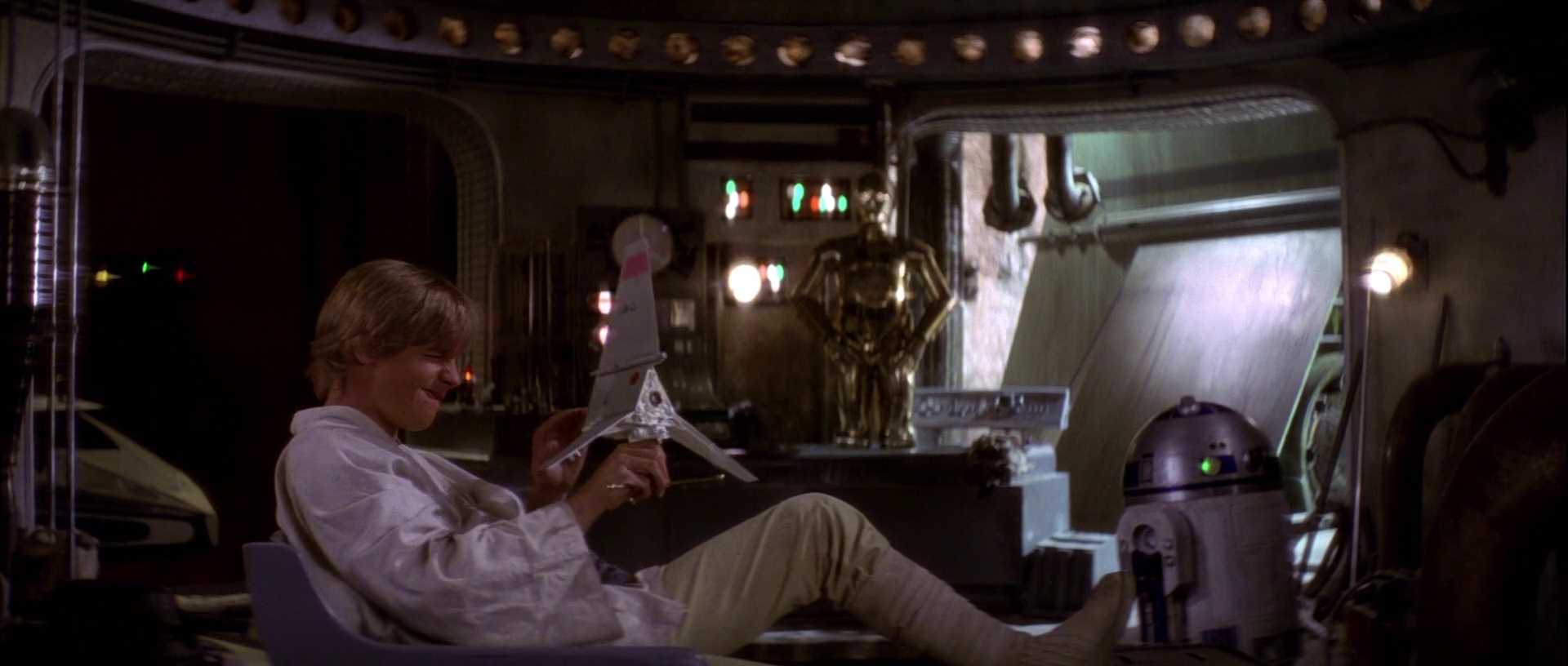
Example: In A New Hope, Luke lives on Tatooine. He does chores, feels bored, and looks to the stars. He dreams of adventure but doesn’t know what that really means.
2. Call to Adventure
Something disrupts the ordinary world. The hero is pulled toward a challenge or journey.
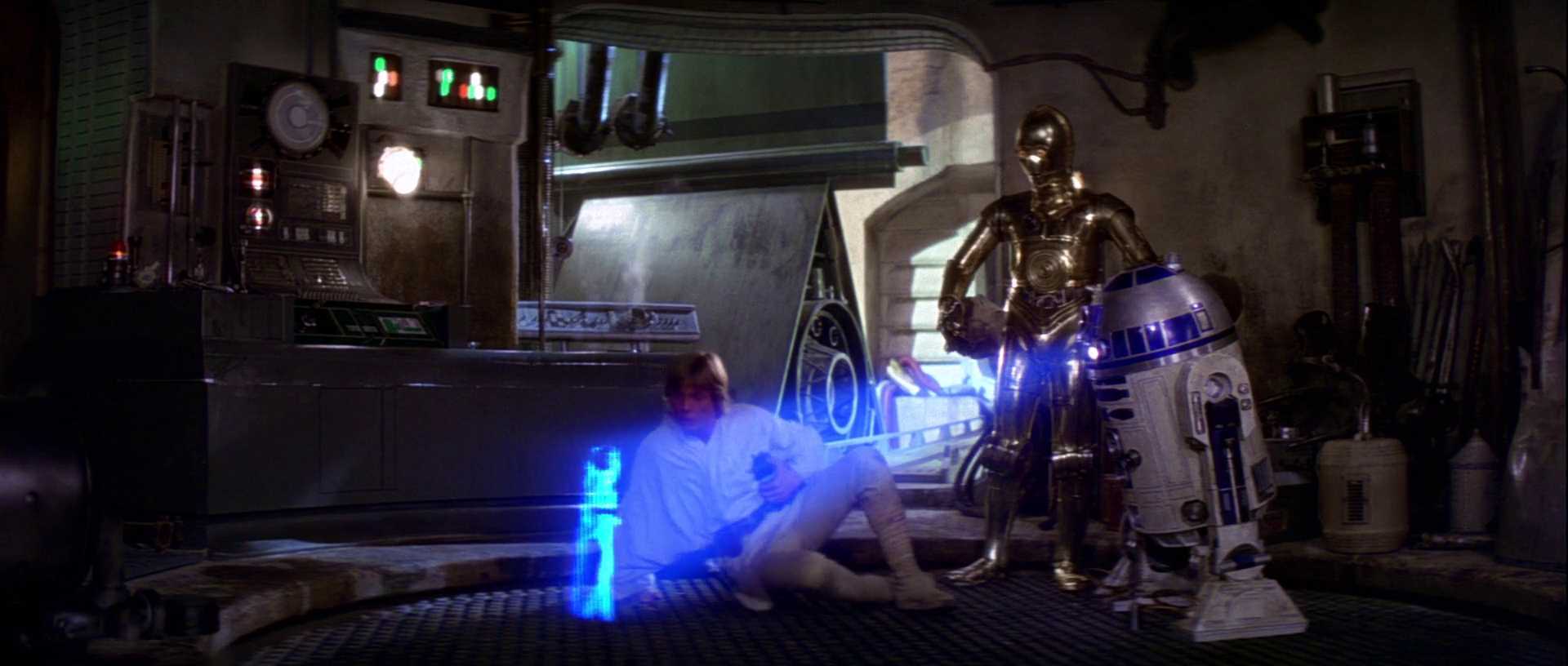
Example: Luke finds Leia’s message in R2-D2. Obi-Wan tells him about the Rebellion and invites him to join the mission to Alderaan.
3. Refusal of the Call
The hero hesitates. They may feel afraid, unprepared, or tied to their current life.
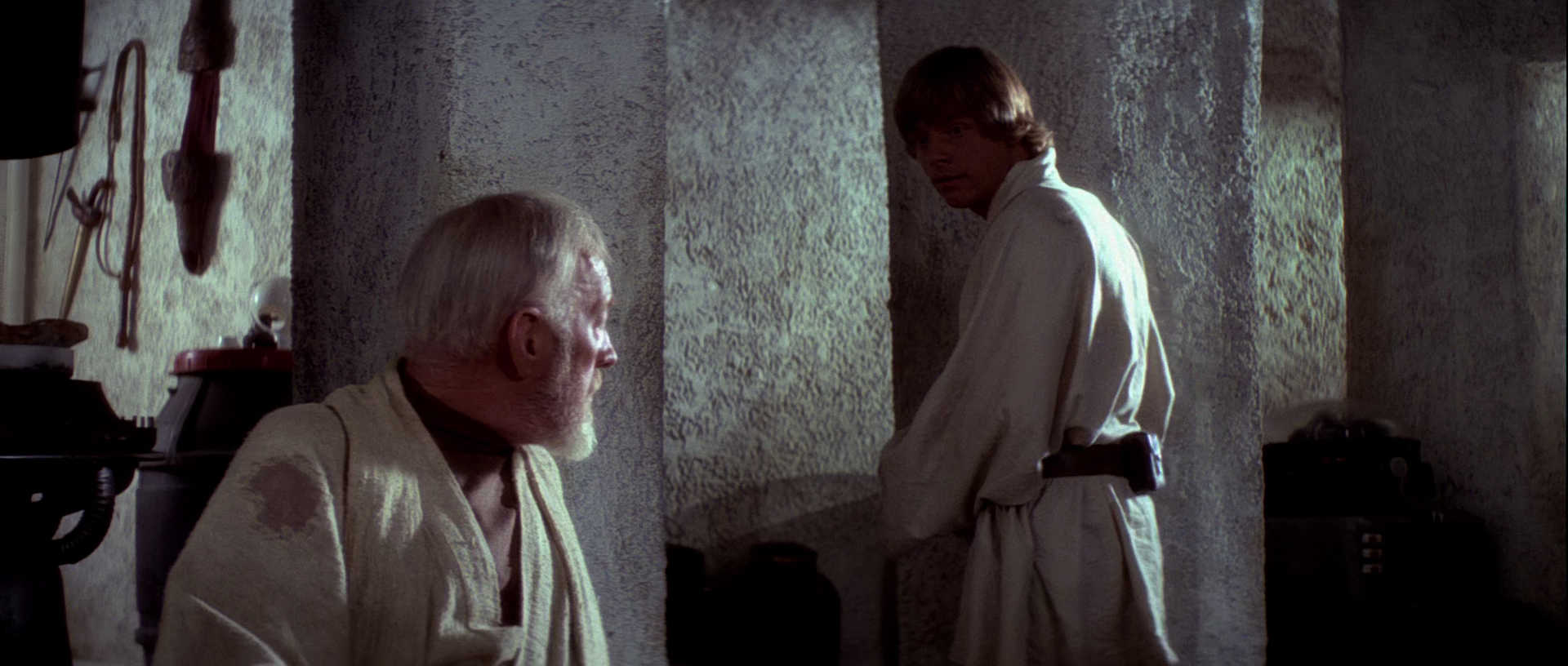
Example: Luke says he can’t go. He has to stay and help his uncle. Only after stormtroopers kill his aunt and uncle does he decide to leave.
4. Meeting the Mentor
The hero meets a teacher, mentor, or guide. This figure helps them prepare for the journey. Read more on these character archetypes in film.
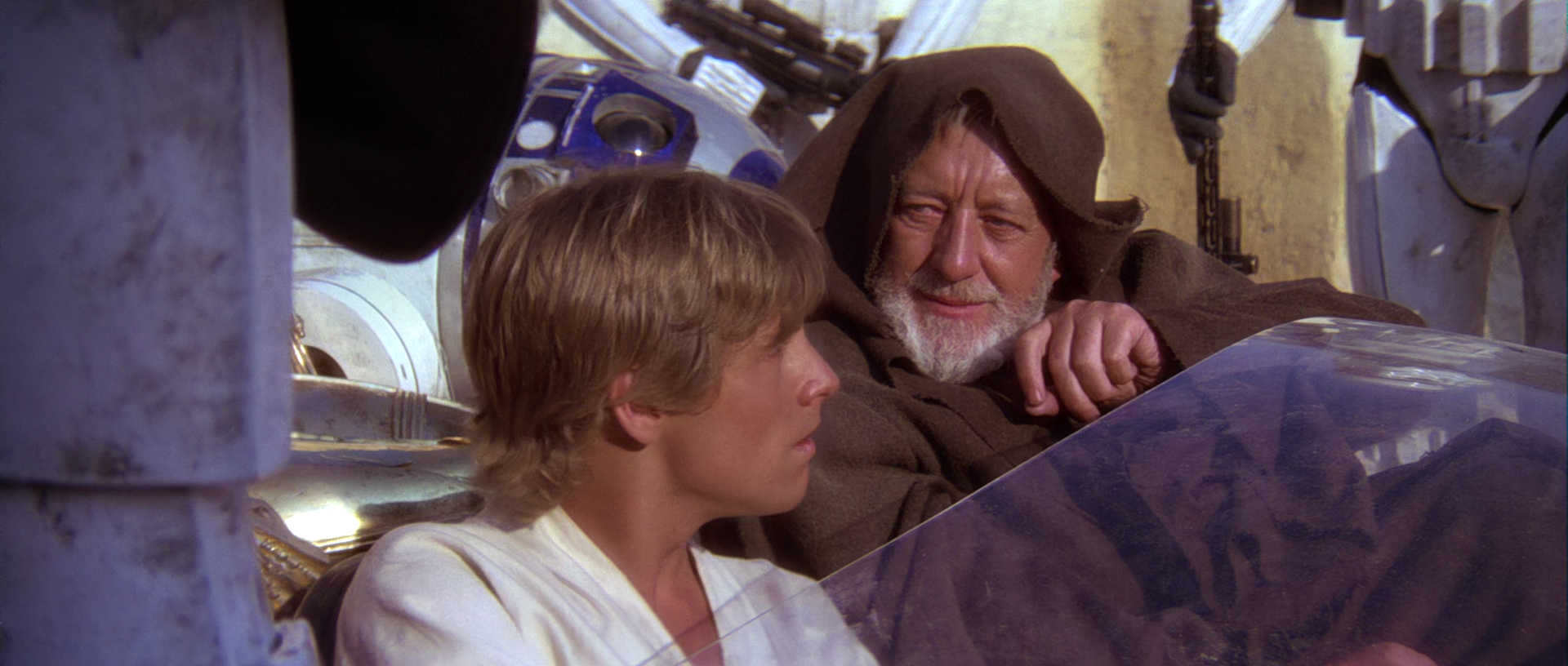
Example: Obi-Wan gives Luke his father’s lightsaber and starts teaching him about the Force. Later, in The Empire Strikes Back, Yoda becomes Luke’s second mentor, offering deeper training.
5. Crossing the First Threshold
The hero leaves their known world and enters a new, unfamiliar one. This marks full commitment to the journey.
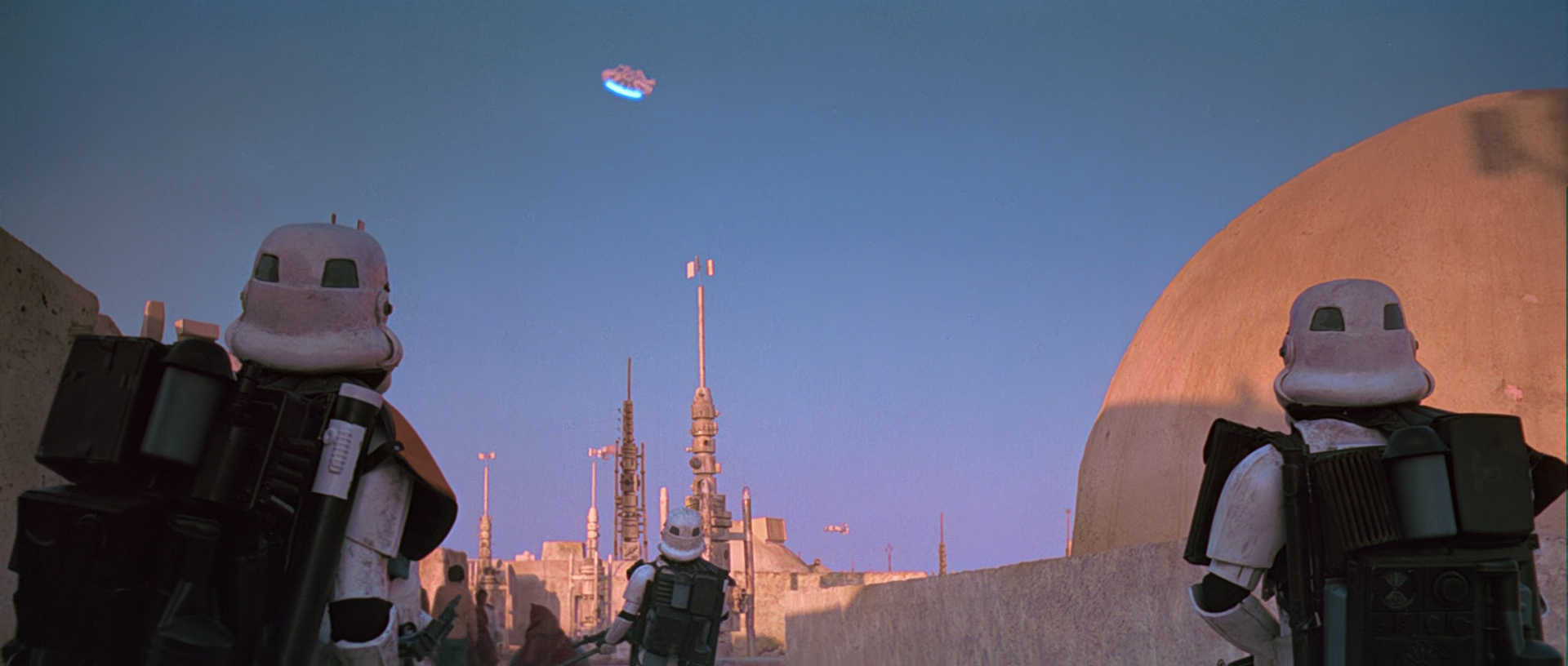
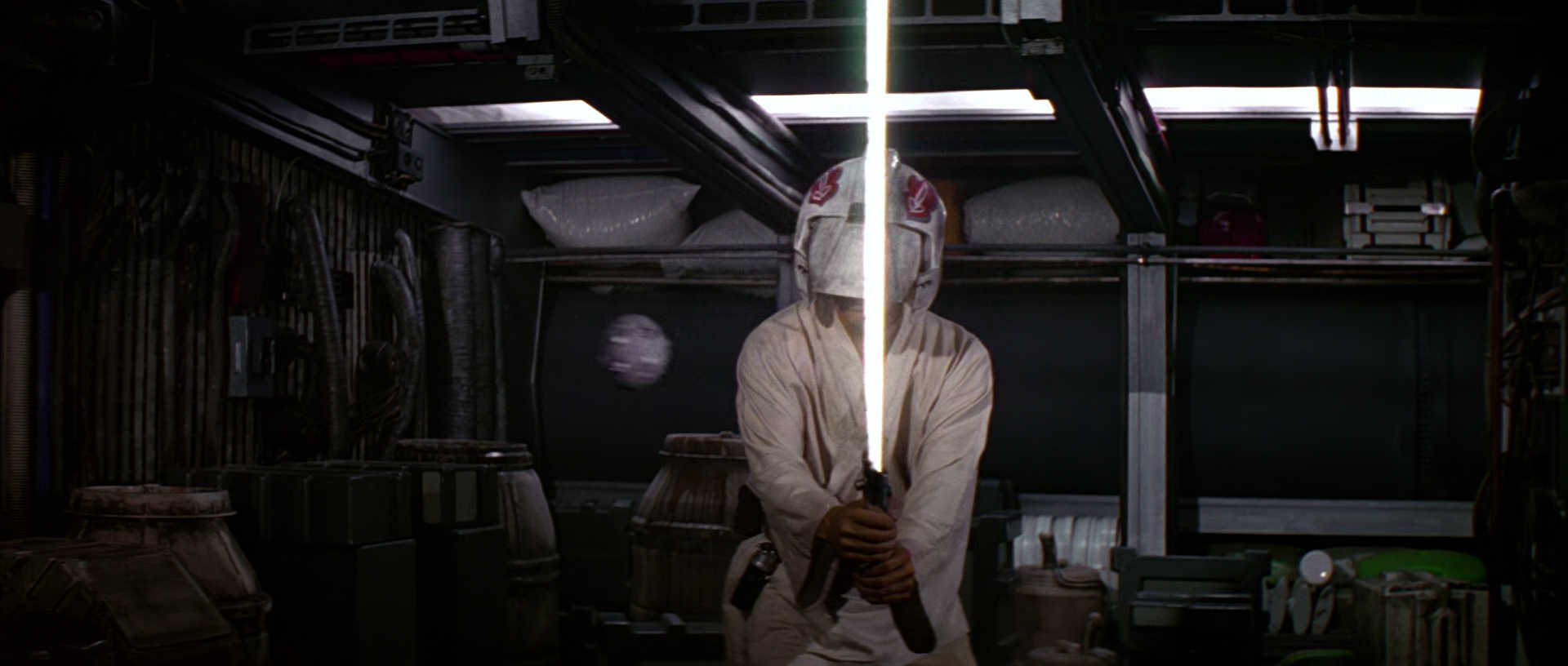
Example: Luke boards the Millennium Falcon and leaves Tatooine behind. He’s now part of the Rebel mission and headed into danger.
6. Tests, Allies, and Enemies
The hero learns the rules of the new world. They meet friends, face trials, and discover who they can trust.
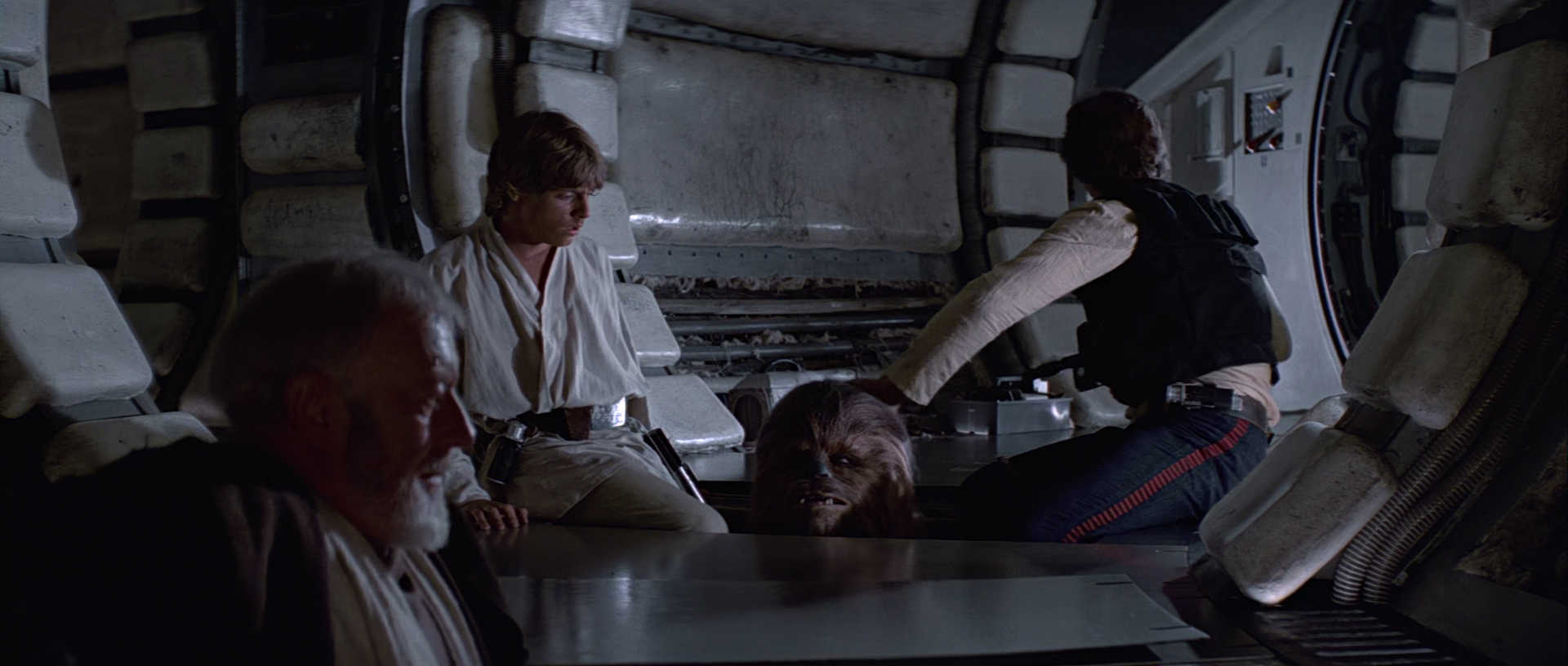
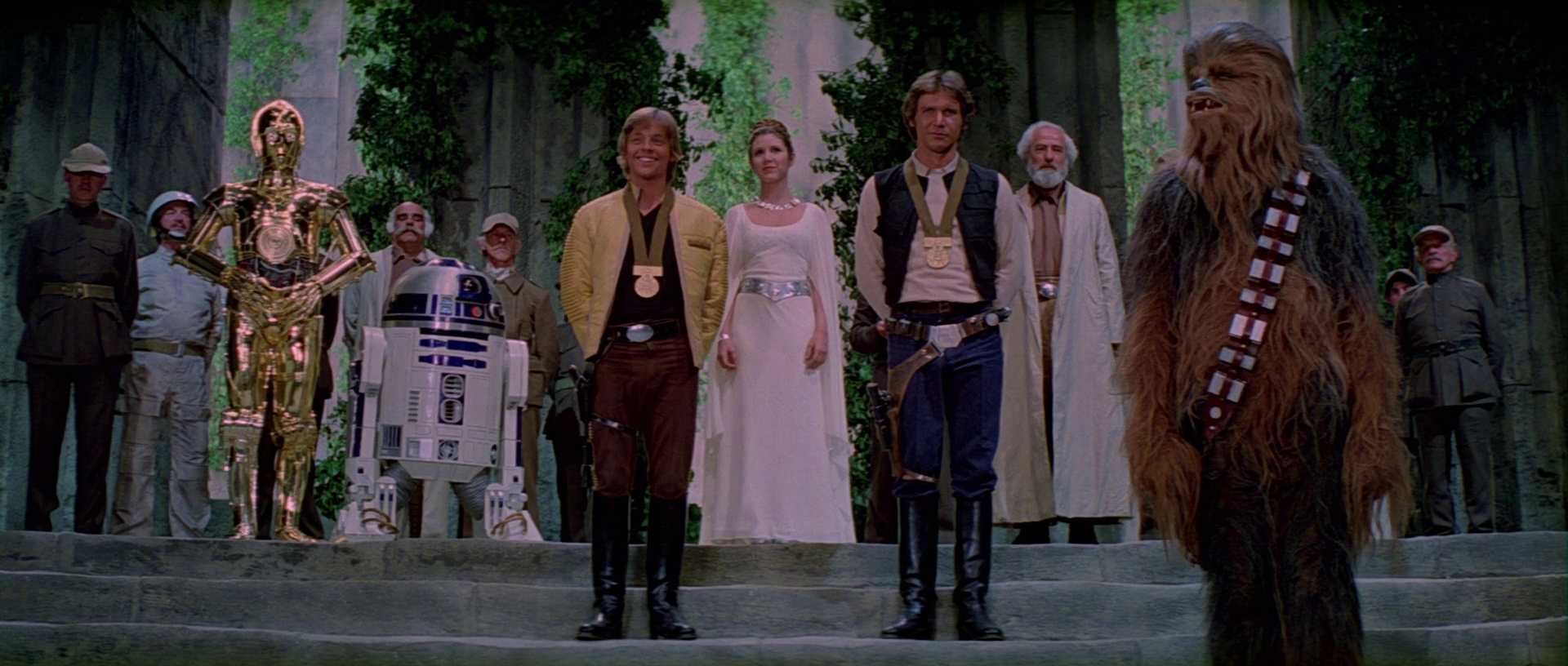
Example: Luke becomes part of a team with Han, Leia, and Chewbacca. He fights stormtroopers, escapes the Death Star, and begins to grow as a fighter and leader.
7. Approach to the Inmost Cave
The hero gets closer to the most dangerous part of the journey. They prepare for the hardest challenge.
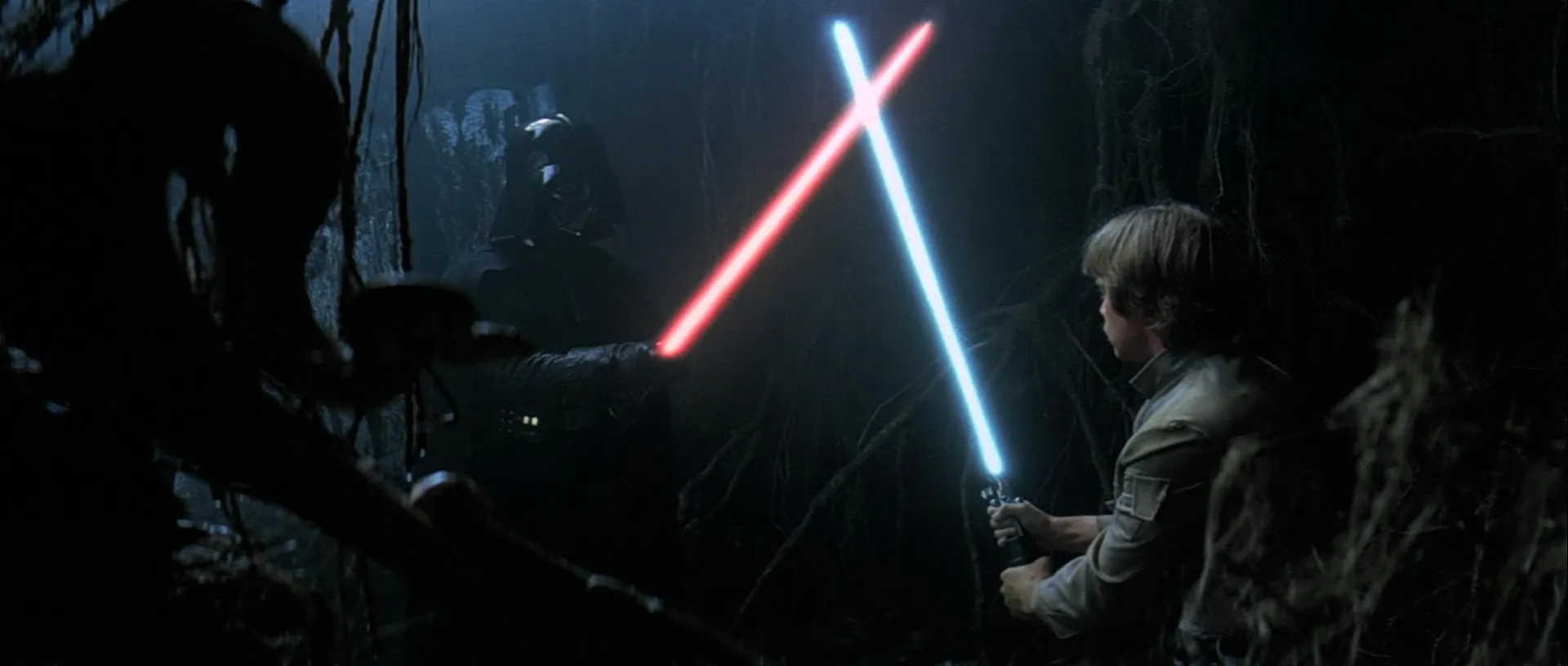
Example: In The Empire Strikes Back, Luke trains on Dagobah. He enters a cave and sees a vision of Vader with his own face under the mask. It shows his fear of becoming the enemy.
8. Ordeal
The hero faces a deep crisis. It could be a life-or-death moment or a serious failure. This is often the turning point.
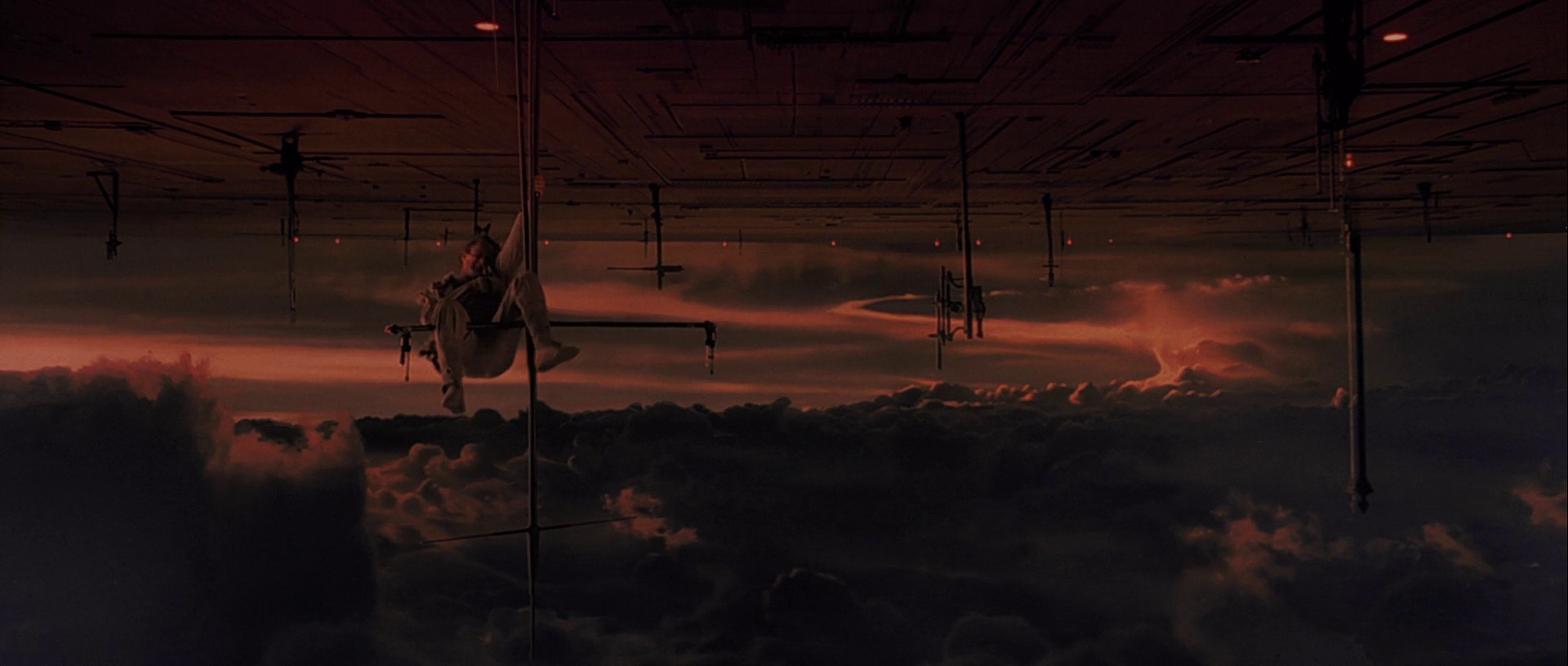
Example: Luke rushes to save his friends on Cloud City. He fights Vader and loses badly. He’s injured, loses his hand, and learns the truth: Vader is his father. It’s his lowest point.
9. Reward (Seizing the Sword)
The hero survives the ordeal and gains something meaningful. This can be an object, knowledge, or new inner strength.

Example: In Return of the Jedi, Luke has built a new lightsaber and returns as a calm, confident Jedi. He now understands his mission isn’t just to win — it’s to redeem his father.
10. The Road Back
The hero starts the return to the ordinary world, but new danger appears. The stakes are even higher now.
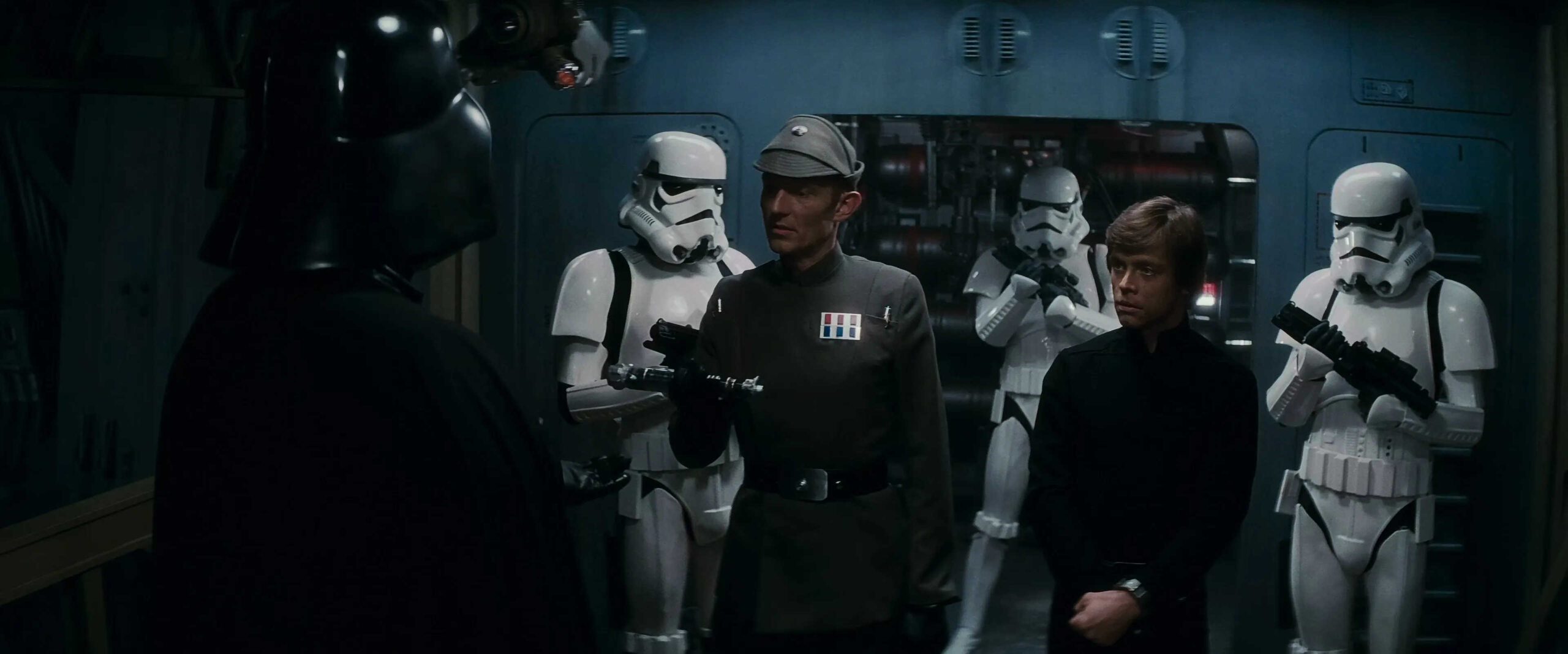
Example: Luke surrenders to Vader on Endor. He hopes to save his father from the dark side, but the Emperor plans to kill him. Luke risks everything by choosing peace over violence.
11. Resurrection
This is the final test. The hero must face death one last time and come through changed. It often requires sacrifice.
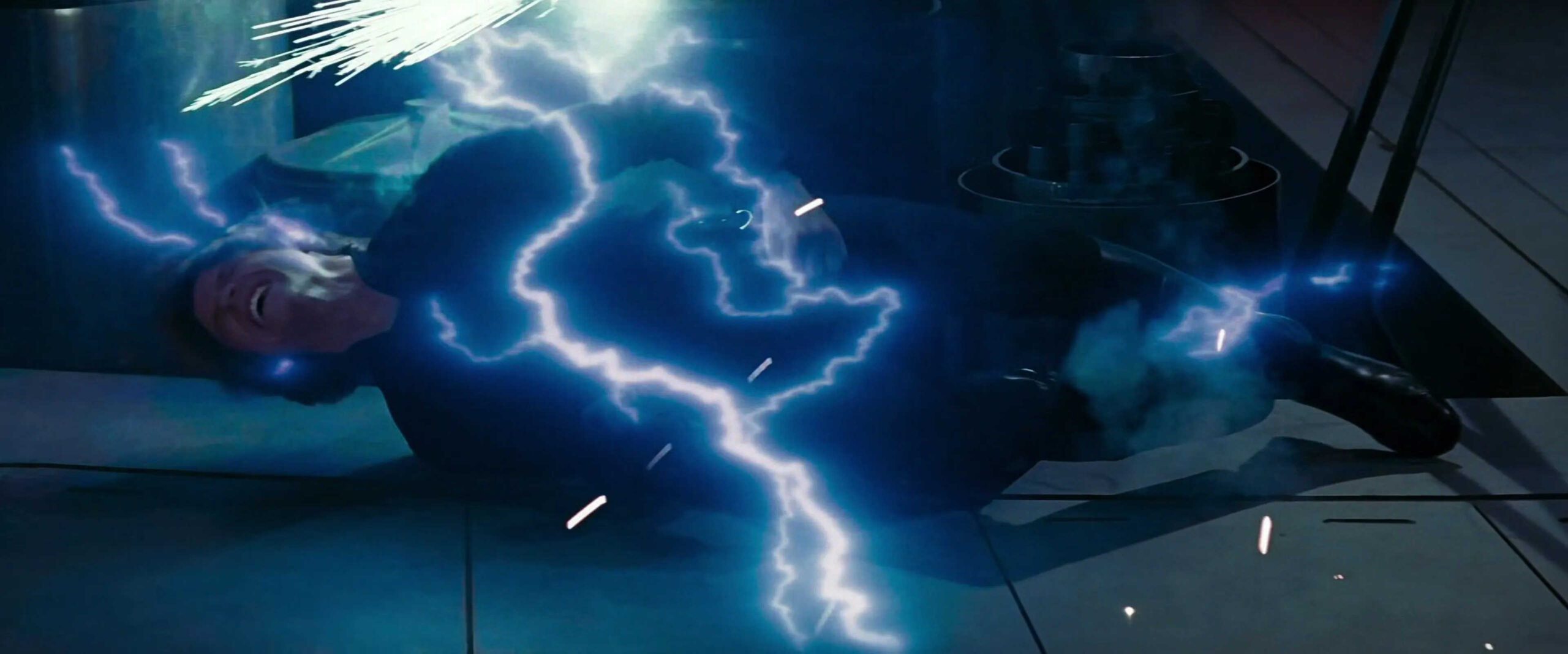
Example: The Emperor tortures Luke with Force Lightning. Luke refuses to fight. He throws away his lightsaber. At the last moment, Vader turns against the Emperor to save his son. Both Luke and Anakin are redeemed.
12. Return with the Elixir
The hero comes home, bringing back something that can help others: knowledge, peace, or freedom.
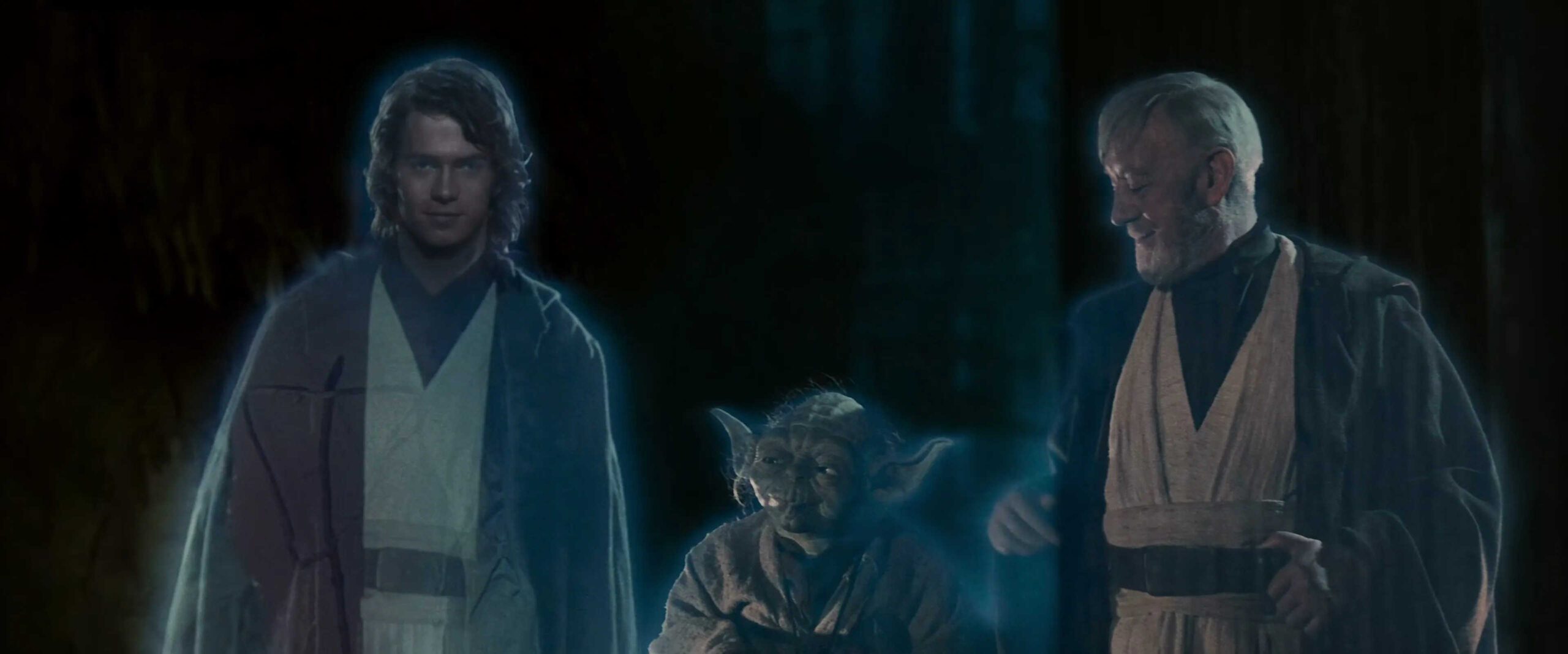
Example: Luke returns to his friends and burns Vader’s armor. He’s a true Jedi, with wisdom, balance, and hope for the future. And he is in contact with the “spirit world” and knows that it is possible to live forever as a force ghost.
Summing Up
The Hero’s Journey is a 12-step story structure that shows how a character changes through challenge and choice. In Star Wars Episodes IV–VI, Luke Skywalker’s full arc follows every step. He begins as a restless farm boy and becomes a Jedi who saves his father and restores balance. His journey shows how myth, growth, and personal truth can come together in film.
Read Next: Got a cool idea but no story yet?
Check out our Story Development section for help turning rough ideas into clear concepts, building stronger characters, and finding the heart of your script before you write page one.
Want to build the whole toolkit? Explore the Screenwriting archive for structure, formatting, and career advice that supports every step of your writing process.
