

Published: September 5, 2025 | Last Updated: September 10, 2025

What is Fill‑the‑frame photography? Definition & Meaning
Fill‑the‑frame photography is a composition technique where the subject fills most or all of the frame, minimizing background or negative space. You achieve this by moving closer, using a zoom, macro lens, or cropping tight. That way you focus on shape, detail, or emotion.
Why Fill‑the‑Frame Photography Can Help Improve Composition
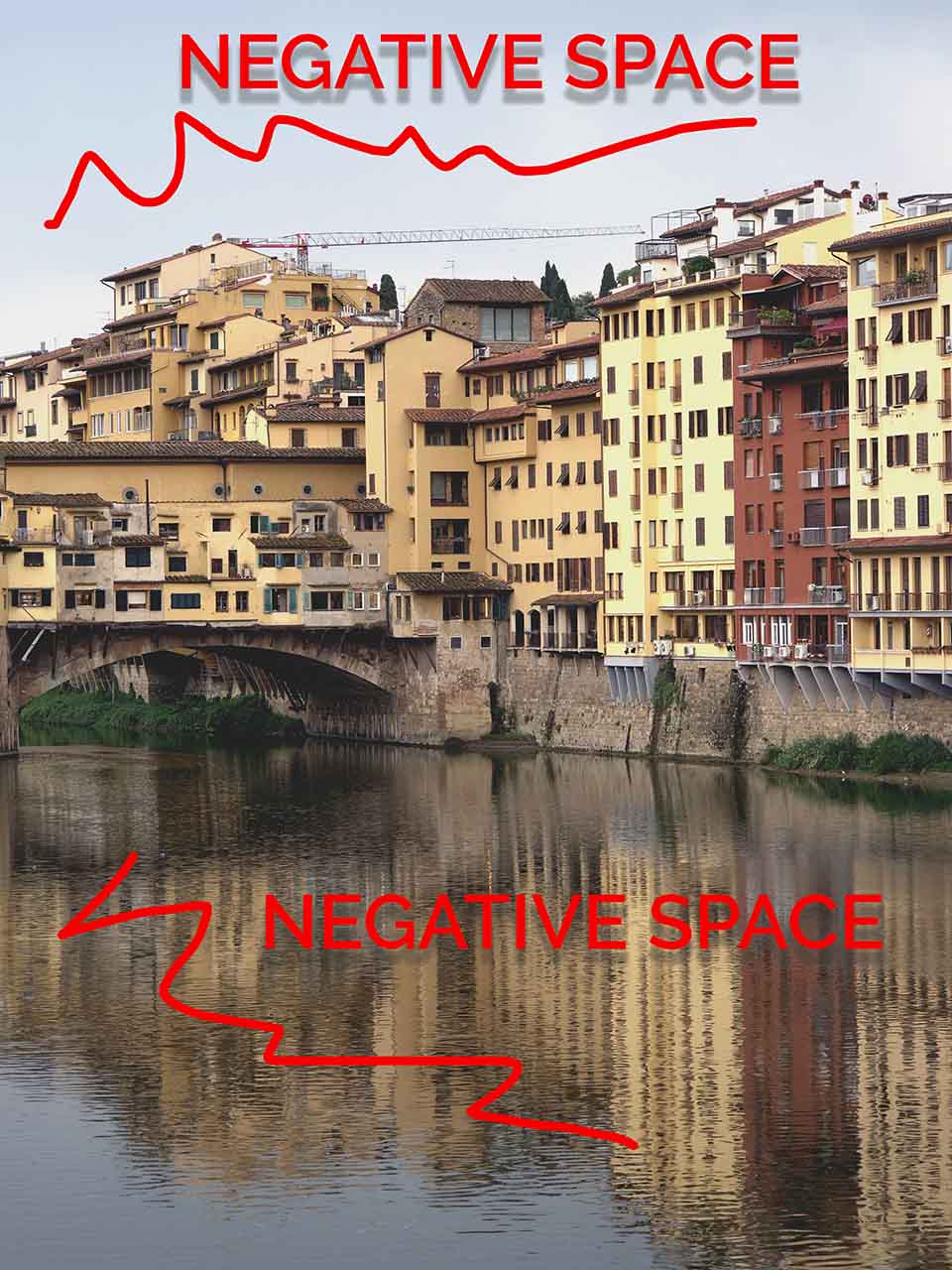
Ponte Vecchio Bridge with negative space
Florence, Italy
Ponte Vecchio Bridge “fill the frame”
Florence, Italy

Filling the frame gives your images more focus and impact, and it’s one of my favorite shooting techniques. It works well across styles, portraits, wildlife, macro photography, architecture, and street photography because it helps you control what the viewer sees first.
Filling the frame removes distractions and puts the subject front and center. The image feels more direct and immediate. In portrait work, it helps highlight emotion or expression. In wildlife or sports photography, it separates the subject from a busy background.

This technique also strengthens shape and texture. When there’s no extra space around the edges, patterns and details take center stage. A close-up of a bird’s feathers or the wrinkles on a subject’s face will reveal more than a wide shot ever could.
Always check your edges and ask: Does this space help the image, or should I cut it out?
How to Shoot Fill‑the‑Frame Photography: Techniques That Work
There are a few easy ways to fill the frame when shooting. You can move closer to your subject, use a longer lens, shoot with a macro lens, or crop your image in post. Each method helps you control composition in different situations.
Move closer or zoom in to fill the frame

You can step forward or zoom with your lens. In portraits, moving closer lets you cut out clutter and frame the expression tightly. In wildlife photography, zooming allows you to isolate animals from their surroundings without disturbing them.
Use a macro lens to fill the frame with detail
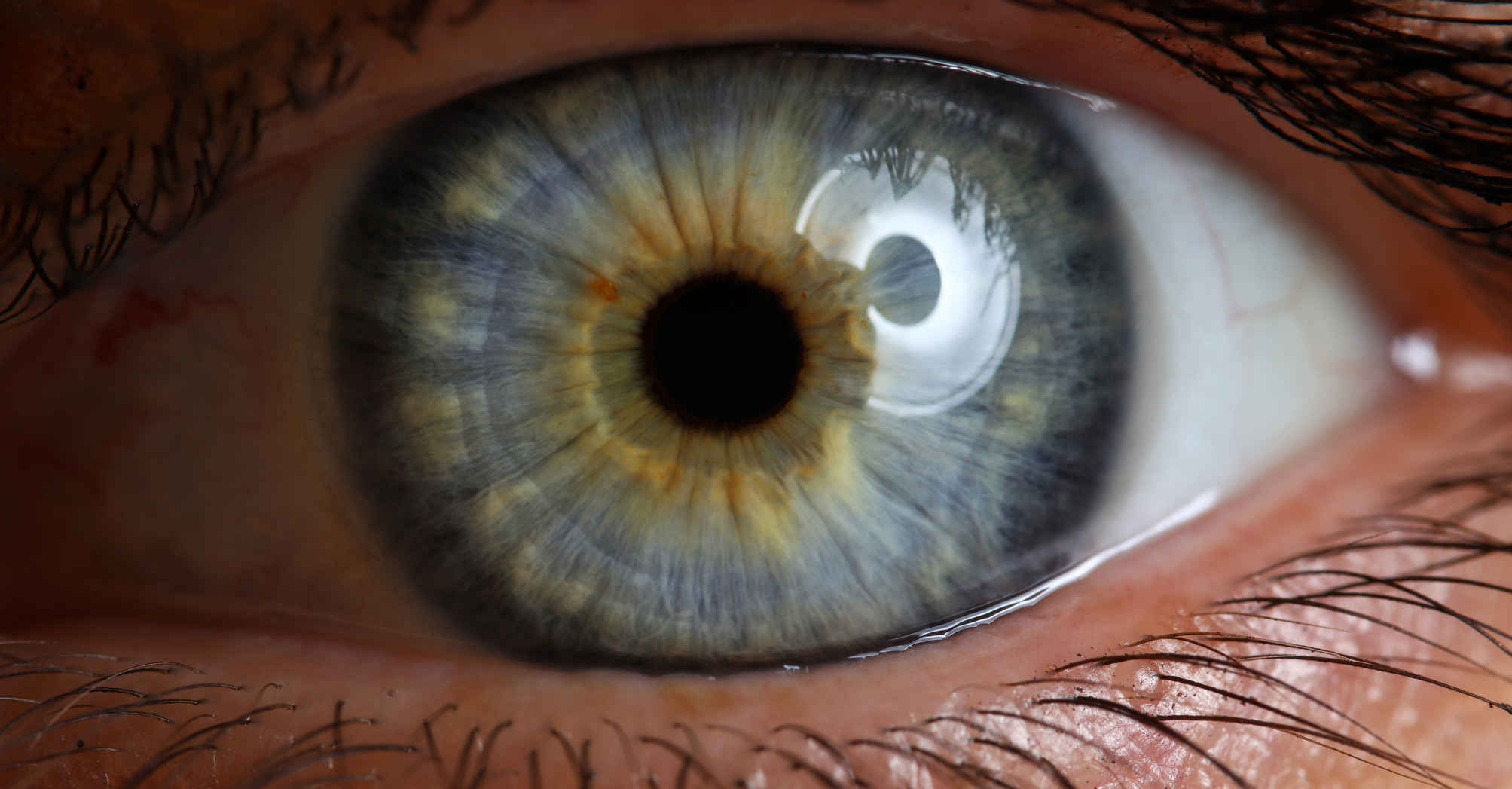
A macro lens helps you get extremely close. You can fill the frame with a leaf, a flower, or even a water droplet. This is useful for nature and abstract work, where the goal is to show hidden texture and pattern.
Crop your image in post to achieve a tight frame

If you shoot wide, crop later to fill the frame. Just be careful not to lose too much resolution. Tight framing is always stronger when planned in-camera, but cropping is a useful option in editing.
When to Use Fill‑the‑Frame Composition in Photography

This approach works best when the background adds nothing to the story. If your subject is strong enough on its own, filling the frame can help you emphasize emotion, shape, or detail.
But when context matters (like in documentary or travel photography), you might want to leave more space around the subject.
- Portraits — shows emotion or detail up close.
- Wildlife or sports — isolates subjects from distracting backgrounds.
- Macro or abstract — highlights texture and pattern clearly.
- Architecture – shows details on a building
- Street – focuses on an action instead of the context
Common Fill‑the‑Frame Photography Mistakes to Avoid
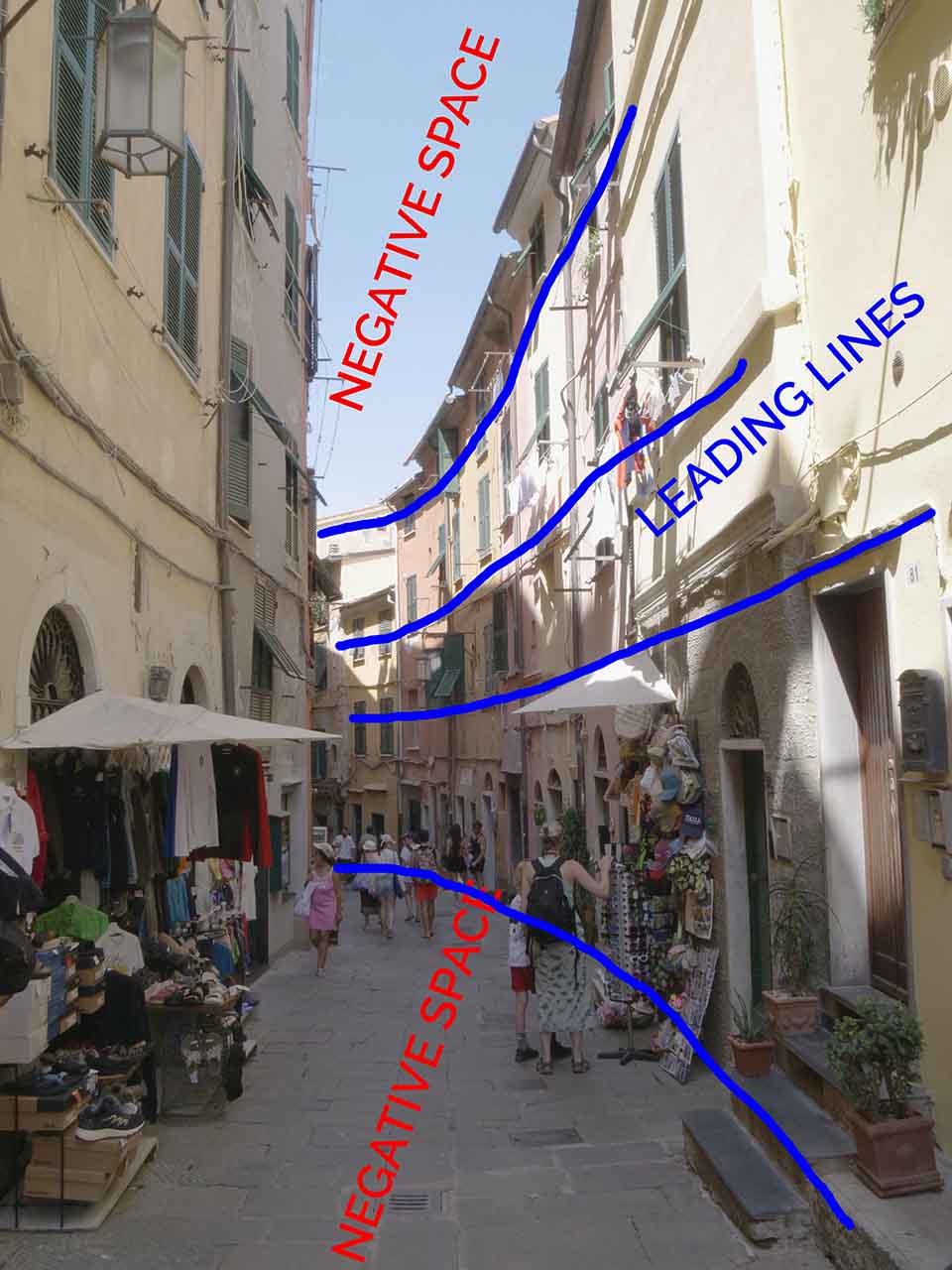
Street shot in Cinque Terre, Italy
Negative space and leading lines example.
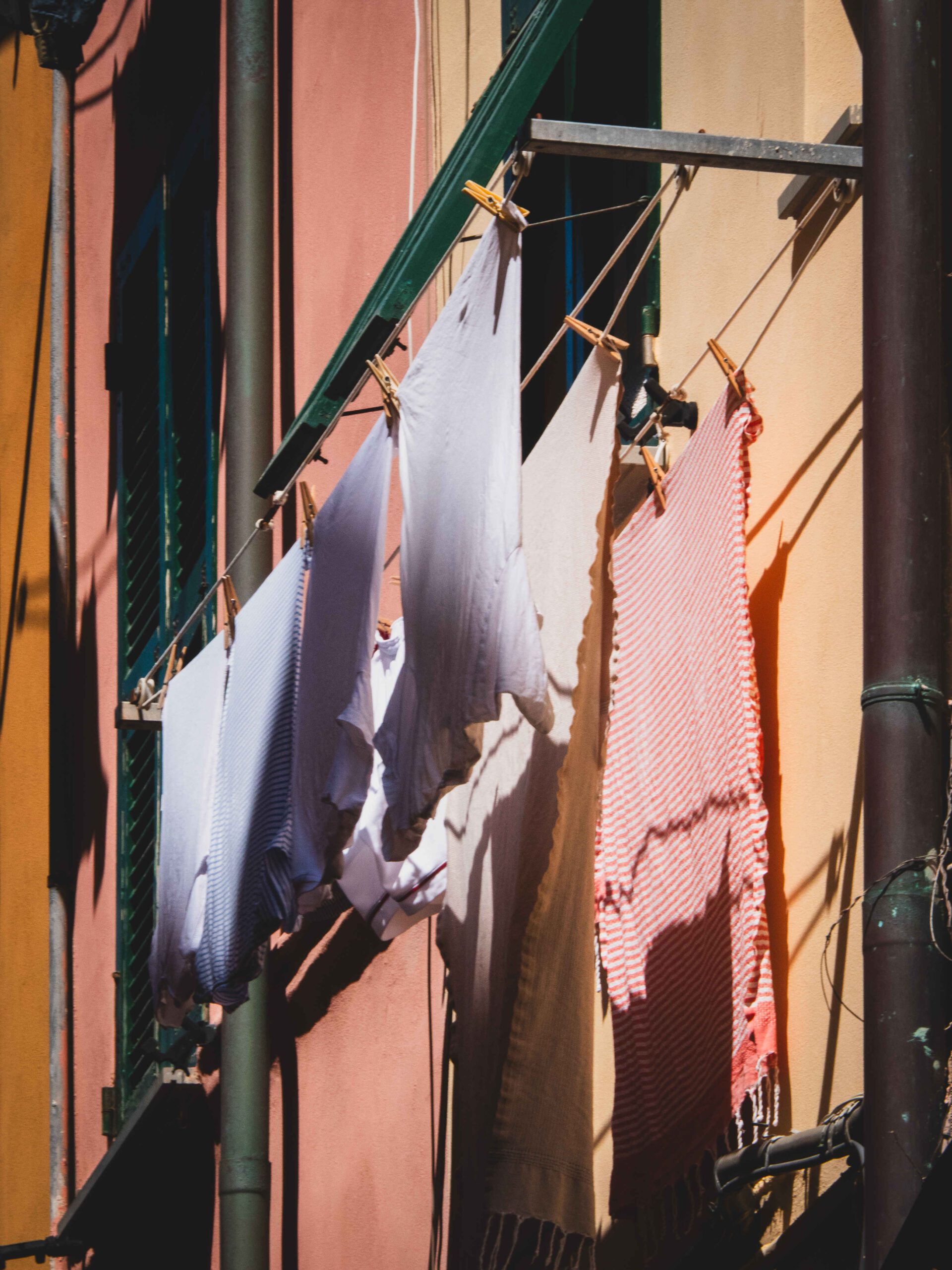
Laundry in Cinque Terre, Italy
Fill-the-frame Example
Even though the idea is simple, this technique takes precision. If you go too tight, you risk cutting off key details or lowering your image quality. Here are the most common mistakes to watch for.
- Cutting off important parts — like a hand, chin, or foot.
- Over-cropping — lowers image quality and sharpness, especially for print.
- Removing too much context — can weaken the story if the setting matters.
Summing Up
Fill‑the‑frame photography helps you control composition, sharpen focus, and guide the viewer’s eye. Whether you get close, zoom in, or crop later, the key is to make sure every part of the frame adds something important. This technique is simple, but powerful, and one of the fastest ways to level up your images.
Read Next: Want to level up your photography skills?
Explore our Photography section for guides on lighting, composition, camera settings, and creative techniques across genres like portrait, landscape, and street.
Whether you’re shooting on a mirrorless camera or your phone, you’ll find sharp, practical tips to take more intentional and creative photos.
Also check out our Visual Composition section, with deep dives into framing, color psychology, and visual art history—key tools for any photographer thinking like an image-maker.
