Published: June 11, 2024 | Last Updated: November 25, 2025

What is a hero? Definition & Meaning
In literature and film, a hero is a character archetype who faces challenges, shows courage, and often sacrifices for the greater good. They typically embark on a journey, grow through their experiences, and inspire others. Heroes are central figures who fight against evil or hardship, striving to achieve justice or protect others.
Characteristics of the Hero
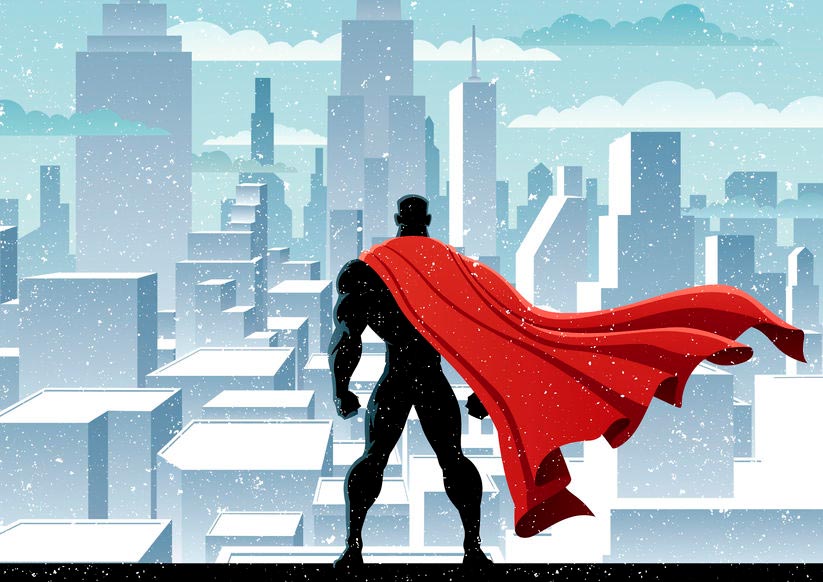
The hero archetype is a character who embarks on a journey, faces significant challenges, and ultimately achieves transformation. For example, Joseph Campbell’s monomyth and the Hero’s Journey story structure describe a universal pattern many heroes follow, known as the monomyth.
Here’s a condensed version:
- Call to Adventure: Heroes are typically called to leave their ordinary world and venture into the unknown. This call often comes in the form of a challenge or quest.
- Supernatural Aid: They frequently receive help from a mentor or supernatural being who equips them with the wisdom or tools necessary for their journey.
- Threshold Guardians: Heroes encounter obstacles that test their resolve and commitment to their quest.
- Transformation: The journey fundamentally changes the hero, often resulting in personal growth or insight.
- Return with the Elixir: The hero returns to their ordinary world, bringing back something of value, whether it be knowledge, a physical item, or a renewed sense of purpose.
Types of Heroes
Heroes often embody virtues like courage, perseverance, and justice, serving as a moral compass for the audience. That being said, they come in many shapes and sizes:
Classical Heroes
Classical heroes often possess noble qualities and exhibit bravery and honor. They are usually of divine or royal lineage and undertake quests that require them to perform extraordinary feats.
Example: Hercules (1997), where Hercules, the son of Zeus, must prove himself a true hero to reclaim his place on Mount Olympus.
Everyman Heroes
Everyman heroes are ordinary individuals who find themselves in extraordinary situations. Their relatability often makes them appealing to the audience, embodying the idea that anyone can rise to the occasion.

Example: Die Hard (1988), where John McClane, an ordinary cop, faces off against terrorists in a high-rise building.
Anti-Heroes
Anti-heroes are protagonists who lack traditional heroic qualities such as morality or courage. They often have complex personalities and morally ambiguous actions, making them intriguing and relatable.
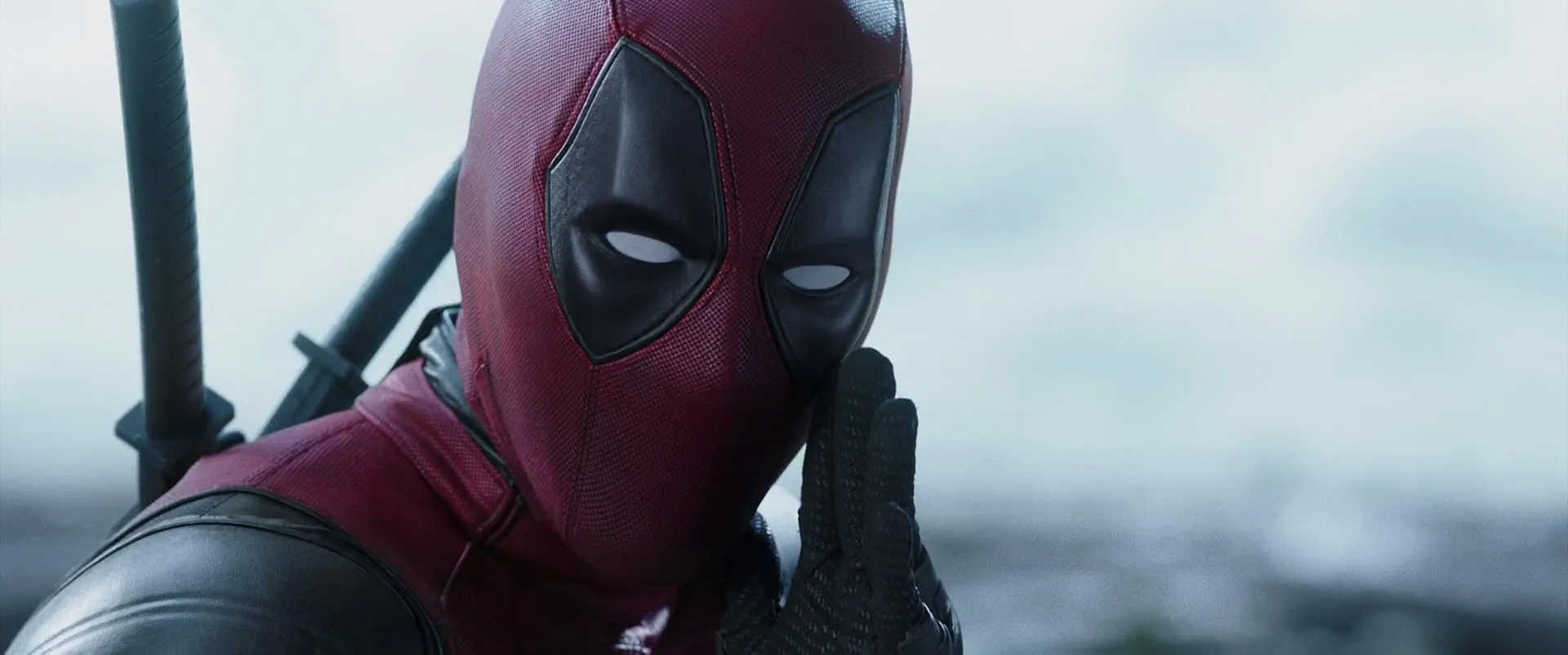
Example: Deadpool (2016), where Wade Wilson, a mercenary with a twisted sense of humor, becomes an unconventional hero after being transformed.
Tragic Heroes
Tragic heroes are noble characters with a fatal flaw (hamartia) that leads to their downfall. Their stories often evoke a sense of pity and fear.
Example: Macbeth (2015), wherein Macbeth’s ambition and subsequent actions lead to his ultimate demise.
Read more about the tragic hero in film.
Summing Up
The hero archetype is fundamental to storytelling and provides a framework for characters that undergo significant transformation. Heroes, whether classical or everyman, anti-hero or tragic, continue to captivate and inspire.
However, for a hero to be interesting and not fall into the Captain Marvel or Superman overpowered trap, they must be multifaceted.
When you write your hero for a film, create a character with strengths and flaws. Show their growth through challenges, revealing different layers of their personality. Include relatable traits and moral dilemmas to make them complex and human. Balance their heroic actions with personal struggles to keep your audience engaged.
Read Next: Want to write characters that feel real on the page?
Start with our Free Screenwriting Course — a complete foundation in structure, dialogue, and building compelling characters.
Then browse all character development articles — from internal conflict and arcs to ensemble design and protagonist logic.
Or return to the Screenwriting section for formatting, story structure, and writing tools.