

Published: June 10, 2024 | Last Updated: February 6, 2026

Overview
Definition: An antivillain (also written anti-villain) is a villain whose goal can sound reasonable or even ethical, but whose methods are cruel, harmful, or immoral.
What you’ve seen before: You have watched an antagonist argue for a safer world or a real fix, then cross a clear line by hurting innocent people to force the outcome.
Example: In Black Panther (2018, Marvel Studios), Erik Killmonger wants to end oppression and shift global power, but he pursues that change through violence, intimidation, and a willingness to trigger wider conflict. You can follow his logic on the problem while still seeing how his choices make him a threat.
Why it matters: An antivillain changes how you write and stage conflict because the tension comes from competing values, not a simple good-versus-evil setup. You have to make the goal clear, then show the exact moments where the character’s methods become unacceptable. You also control the audience response: recognition of the motive, while the damage stays undeniable.
- Key takeaway 1: State the antivillain’s goal in plain terms, so the viewer understands what they think they are fixing.
- Key takeaway 2: Build a visible line-crossing scene where the character chooses harm over a cleaner option.
- Key takeaway 3: Keep consequences on-screen, so sympathy for the goal never erases the cost of the methods.
Next, let’s place the antivillain in a clear story framework, so you can label the archetype correctly and write it with control.
What is an Antivillain in Film? Definition & Meaning
An antivillain is a villain who stays the film’s central threat, even though their stated goal can sound morally reasonable. The story still frames them as an antagonist because their methods cause serious harm, remove consent, or treat people like tools.
Why the antivillain matters on screen
Plenty of villains want control, money, revenge, or chaos. An antivillain changes the feeling of the conflict because their goal can sound like something you might agree with. The tension comes from how far they go, what they justify, and who gets hurt along the way.
This archetype helps when you want the story to wrestle with ends versus means without turning into a speech. You can write scenes where the hero has to answer a hard question: if the problem is real, why is this solution still wrong?
It can also pressure the hero in a more personal way. A flat villain attacks from the outside. An antivillain can attack from the inside because they force the hero to defend their values out loud, face hypocrisy, or admit uncomfortable truths.
Antivillain vs villain vs antihero
The names sound similar, so people mix them up. The clean way to separate them is to track story role first, then track moral logic second. Role tells you who drives the plot. Moral logic tells you what the audience is meant to wrestle with.
Story role comes first: who does the audience follow?
An antivillain is still a villain in the structure of the story. They push against the protagonist’s plan, and the plot treats them as the main obstacle. An antihero is different because the story follows them as the lead, even when they act in selfish, reckless, or cruel ways.
If you want a direct comparison, see: The antihero in film. That guide focuses on what changes when the morally messy character is the one you track scene by scene.
Moral logic: the “good goal, bad path” pattern
Many antivillains share one simple pattern: the goal sounds defensible, yet the method breaks a moral line. The harm can be violence, mass punishment, dehumanizing language, or a plan that removes choice from other people.
A classic villain often has a goal that feels selfish or cruel on its face. An antivillain can start from a goal that sounds like justice, protection, equality, or peace. The story still frames them as the villain because the cost they accept is too high.
Sympathetic villain vs antivillain
A sympathetic villain is a villain you feel bad for. That sympathy often comes from trauma, loss, or fear. An antivillain can be sympathetic too, but the key feature is different: the pull comes from the argument behind the plan, not only the backstory.
Use this quick check. If the pull is mostly the past, you may have a sympathetic villain. If the pull is the goal-and-method debate, you are closer to an antivillain.
Common antivillain designs
These patterns are not strict boxes. Use them as practical templates for motive, scene behavior, and escalation.
- Well-intentioned extremist: Names a real problem, then chooses terror, mass harm, or forced “purity” to fix it fast.
- Protector tyrant: Promises safety, then justifies surveillance, control, and punishment because order matters more than freedom.
- Tragic enforcer: Enforces a system they truly believe in, even when that system is unjust.
- Revenge-for-a-cause: Personal pain connects to a wider injustice, and revenge spreads to people who did not choose the fight.
- Ends-justify-the-means pragmatist: Reduces humans to math, then treats cruelty as a tool.
Examples in movies and TV
Examples work best when you tie them to scenes. You are not just naming a character. You are pointing to a moment where the goal sounds reasonable, then the method crosses a line.
Erik Killmonger in Black Panther (2018, Marvel Studios)

Killmonger’s goal lands because he points at real injustice. He argues that Wakanda’s isolation leaves oppressed Black people worldwide without help. That complaint can sound fair, even if you reject his plan.
The antivillain turn becomes clear through his method. He uses violence to take power, he intimidates allies into obedience, and he treats domination as liberation. The film keeps him in the villain role by showing the cost of his approach early, so understanding never turns into approval.
Ozymandias in Watchmen (2009, Warner Bros.)
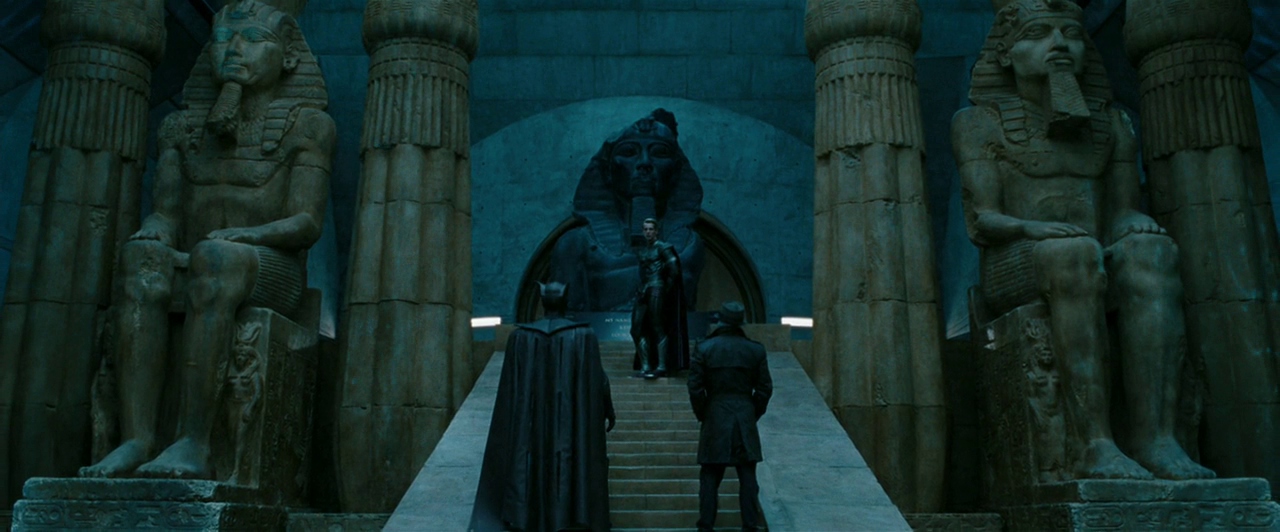
Ozymandias wants to prevent global war. The goal sounds like survival, not greed.
The method is mass murder and deception on a huge scale. He decides that other people do not get consent, and he treats lives like numbers. That is the core antivillain lesson in one line: a defensible goal does not excuse an inhuman method.
Magneto in the X-Men films (2000–, 20th Century Fox)

Magneto’s goal is mutant survival in a world that fears them. Given his history, the fear behind that goal is easy to understand.
The villain line appears when he chooses coercion, terrorism, and the willingness to harm humans to secure safety for mutants. He does not just defend. He escalates into domination, and that keeps him in direct conflict with the hero.
Javert in Les Misérables (2012, Working Title Films)
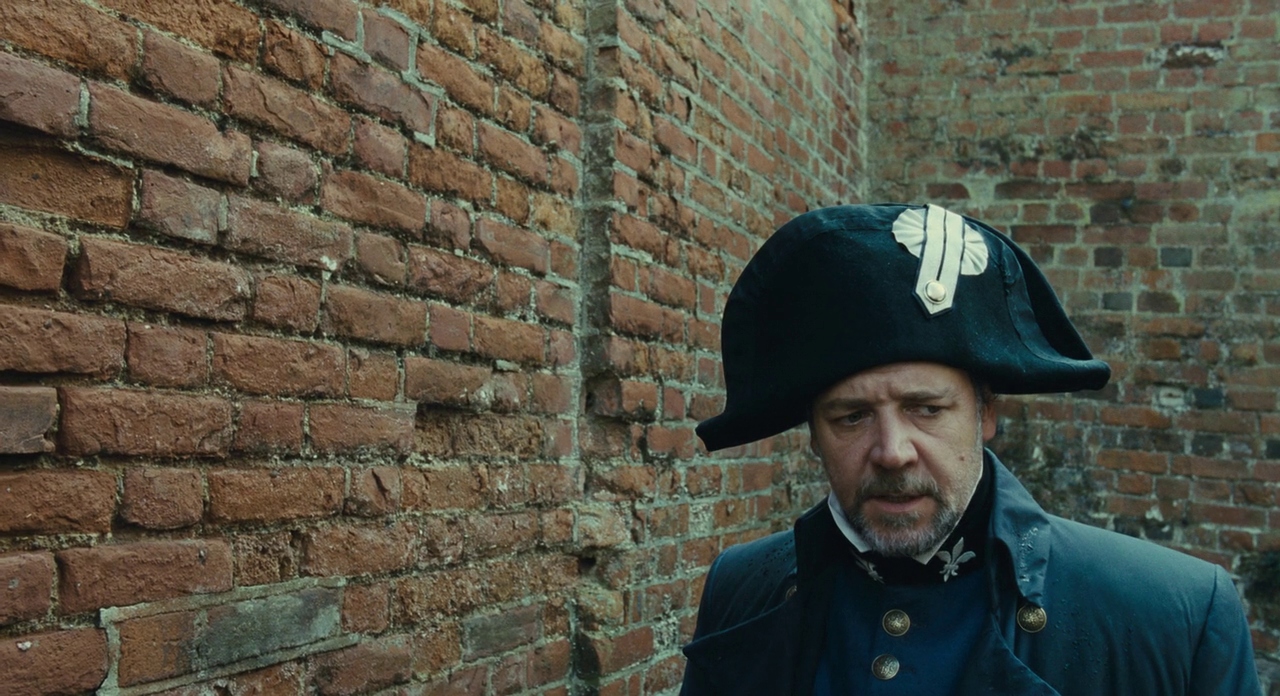
Javert’s goal is order and lawful society. He believes rules protect people, and he believes mercy creates chaos.
The harm comes from rigid enforcement without context. He treats people as labels and refuses to see change or nuance. The conflict is not greed as the motive. The conflict is certainty that crushes human reality.
How to write an antivillain
You can build an antivillain on purpose. If you leave it to accident, the character turns into a messy mix of “nice” and “cruel” with no clear logic. A strong antivillain has a clear argument, a clear moral boundary they break, and visible consequences.
- Start with a goal the audience can repeat in one sentence. Pick a problem people recognize, such as exploitation, war, corruption, or neglect.
- Write the “why” as a chain of steps. Show how they move from problem to plan, so the belief feels earned on screen.
- Choose the moral line they will cross. Decide what makes them unacceptable: harming innocents, removing consent, mass punishment, or cruelty as a tool.
- Put the cost on screen early. Show victims, collateral damage, and consequences before the finale.
- Design clashes that target the hero’s values. Build arguments that hit the hero’s weak spot, such as hypocrisy, fear, comfort, or privilege.
- Escalate in a clean pattern. Start with pressure, move to threats, then move to irreversible harm.
- End in a way that fits the moral logic. Defeat, death, exile, or partial redemption should connect to the line they crossed and the truth they refused to face.
Quick test: Is your character an antivillain?
If you want a fast label check, use criteria tied to structure and behavior. This keeps you from slapping “antivillain” onto any villain with a sad past.
- They stay an antagonist. The story treats them as the central obstacle the hero must stop.
- The goal sounds defensible in one sentence. You can describe the aim without turning them into a cartoon threat.
- The method creates clear harm. Innocents pay the price, consent gets removed, or cruelty becomes acceptable to them.
- You can understand the motive and still want them stopped. Recognition does not become approval.
Common misunderstandings and limits
The antivillain label is useful, but it gets overused. The main risk is a muddy moral frame where the audience cannot tell what the story believes about harm and responsibility.
- “They had trauma, so they are an antivillain.” Trauma can explain behavior. It does not define the archetype. Track goal and method first.
- “They do one kind act, so they are an antivillain.” Random kindness adds texture, but it does not create moral logic.
- “The audience agrees with them, so the hero looks wrong.” This happens when you argue the problem well, then you fail to show the cost of the plan. Keep consequences visible.
- “They are an antivillain, so they must be redeemed.” Redemption is optional. Many antivillains refuse accountability and end as tragedies.
- “Any morally gray antagonist is an antivillain.” Moral grayness is broad. Antivillain is specific: a defensible purpose paired with harmful execution.
- “This fits every story.” Some stories need a simple villain. If the plot is short or the tone is light, a deep antivillain can pull focus from the core.
Summing Up
An antivillain is a villain whose goal can sound morally reasonable, while their methods still cause serious harm and force the hero into conflict. Label the archetype by tracking story role first, then the moral logic of goal versus cost. If you want to write one well, build a clear argument, show consequences early, keep the character consistent, and design clashes that attack the hero’s values instead of adding random cruelty.
Read Next: Want to write characters that feel real on the page?
Start with our Free Screenwriting Course — a complete foundation in structure, dialogue, and building compelling characters.
Then browse all character development articles — from internal conflict and arcs to ensemble design and protagonist logic.
Or return to the Screenwriting section for formatting, story structure, and writing tools.
