

Published: January 4, 2024 | Last Updated: November 11, 2025

What is a body double in film? Definition & Meaning
A body double is someone who steps in for an actor during certain scenes, usually when the actor’s face isn’t shown. They’re used for things like stunts, nudity, special skills, or tough camera shots. Body doubles help keep the scene safe, smooth, and believable without making big changes to the character or story.
Body doubles stand in for actors in scenes where the face isn’t visible or can be obscured or replaced in post-production.
For example, if a scene requires a character to perform a professional level of ballet, and the actor playing that character is not a trained dancer, a body double with a ballet background may be used for the wide or full-body shots.
The actor may still be used for close-up shots or shots where the character’s face is visible.
Why Body Doubles Are Used
You’ll find body doubles in more productions than you think. If a character backflips off a rooftop, walks naked through a crowd, or plays a violin like a pro, it might not be the lead actor. Doubles step in when a scene calls for:
- Physical skills the actor doesn’t have (dance, fight choreography, sports).
- Dangerous stunts.
- Nudity or sex scenes, the actor is uncomfortable filming. This ranges from drama to erotic cinema.
- Scheduling conflicts or overtime restrictions.
They’re shot from angles where the face isn’t visible or is replaced digitally in post.
Body doubling in scenes of nudity.
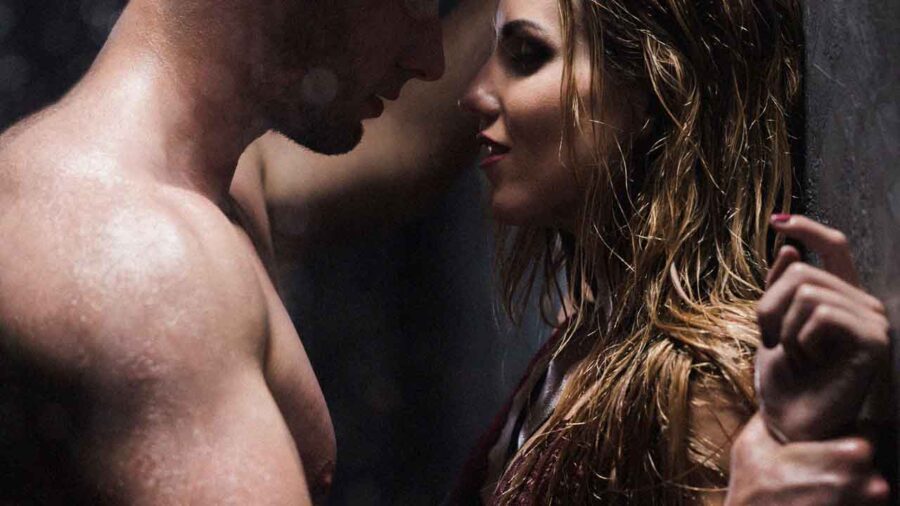
In the case of nude or sex scenes, a body double might be employed to perform scenes that require exposing parts of the body that the main actor prefers not to show.
This allows the filmmakers to include the shots necessary for the story while respecting the actor’s comfort and boundaries.
Stuntmen and women are also body doubles.
Stunt doubles are a specific type of body double that perform dangerous actions that the actor is unable or unwilling to perform, such as high falls, fights, or car chases.
Using stunt doubles helps to ensure the actors’ safety and the filming schedule’s smooth progression.
Read more on the dangers of stunt work.
Industry Practices
Casting a body double starts with matching physical features: height, build, skin tone, and hair. But movement also matters. If the actor has a specific gait or posture, the double has to mimic it.
Doubles often wear the same wardrobe and makeup, and must hit exact marks for lighting and continuity. On larger sets, a stand-in blocks the scene, the body double performs it, and the VFX team may add the actor’s face later, especially in stunts or digital composites.
SAG-AFTRA regulates the use of body doubles on professional shoots. Intimate scenes follow strict closed-set rules, and doubles must give written consent before shooting nudity. Payment varies depending on the type of work (stand-in vs. nude vs. stunt).
Historical Context
Body doubling dates back a long way. Tarzan and His Mate (1934) used a body double for Jane’s underwater nude scene. Hitchcock’s Vertigo (1958) plays on the concept in the story itself.
The idea of a “Fake Shemp” (a stand-in for a deceased or unavailable actor) even comes from the 1950s Three Stooges films. It’s a Hollywood staple.
More recently, Lena Headey used a double in Game of Thrones for Cersei’s “Walk of Atonement,” with her face composited onto another actress’s body.
For Indie Filmmakers
Doubles can be a good investment—even on low-budget sets. But only bring them in when necessary. If you can shoot around nudity or imply an action instead of showing it, that’s often easier. When you do need a double, plan carefully:
- Match their look and movement to your actor.
- Respect consent, especially in intimate scenes.
- Keep crew small for sensitive setups.
- Use creative framing to disguise the swap.
Doubles can save you time, risk, and awkwardness—if used right.
For Aspiring Doubles
Want to get hired as a double? Keep your measurements up to date on casting sites. Highlight skills like martial arts, dance, musical ability, or riding. The more you can do physically, the more jobs you’ll be considered for.
Be reliable, adaptable, and respectful on set. Learn how blocking, lighting, and camera setups work. And if you’re SAG-eligible, you’ll get higher rates for certain types of doubling, especially nudity and stunt work.
The Future of Doubling: Face Replacements and Digital Doubles
Hollywood has started scanning actors to build photorealistic 3D models. Their faces can be composited onto stunt doubles or even entirely CGI bodies. This is how Harrison Ford was de-aged in Indiana Jones and the Dial of Destiny.
For now, this tech is out of reach for indie films. But AI and deepfake tools are evolving fast. If you plan to use them, keep an eye on the ethics and union rules, consent and likeness rights matter.
Summing Up
Body doubles are an essential part of filmmaking. They seamlessly integrate scenes requiring special skills, physical attributes, or actions that the main actors cannot or prefer not to perform themselves.
Read Next: Want to build the right team for your production?
Start with our breakdown of above-the-line film set roles and quick guide to crew positions to understand who does what and why it matters.
Then explore all crew assembly articles — from hiring practices to on-set dynamics and team structure.
Or return to the Pre-Production section for casting, location scouting, and project planning.
