

Published: December 8, 2025 | Last Updated: December 18, 2025

What is a global shutter sensor? Definition & Meaning
A global shutter sensor is an image sensor that exposes the entire frame at the same time, then reads the data after exposure, so fast motion and flashing light are captured as one unified moment instead of a line-by-line scan.
You notice the difference when you shoot fast action, quick pans, quick pans, drones, car rigs, or stages with LED volumes, LED ceilings, and other large LED screens. It can also make your plates easier to track and composite in post.
How a Global Shutter Works
This section explains the basic timing difference that changes how motion and light look on camera.
A global shutter avoids time offsets within the frame. The sensor starts exposure for all pixels together. The sensor ends exposure for all pixels together. The camera then reads out the stored image data.
Modern global shutter CMOS designs often need extra circuitry inside each pixel. Some designs add in-pixel storage. This adds speed and timing control, but it can also reduce the light-gathering area of each pixel.
Global Shutter vs Rolling Shutter
This is the core difference you feel on set when motion gets aggressive or light sources flicker.
A rolling shutter exposes and reads the sensor in a fast scan from one side of the frame to the other. That scan creates a tiny time gap between the first and last lines of the image. When the camera or subject moves fast, straight lines can tilt, and vibration can turn into wobble.
A global shutter removes that within-frame timing gap. Vertical lines stay straight during fast pans. Micro-vibration looks calmer. Short flashes are less likely to create partial-frame artifacts.
Global Shutter vs Global Reset (Hybrid Modes)
This section covers a common middle ground that can sound like global shutter but does not fully behave like it.
Some sensors offer a compromise that can confuse people. You may see terms like global reset release (GRR) or global reset. In these modes, all pixels begin exposure at the same time, but the end of exposure still happens with a row-by-row offset. That means it can reduce some distortion, but it is not the same as a true global shutter.
This matters in practical tests. A hybrid mode may improve motion for certain shots. It may still show artifacts with rapid flicker, strobes, or specific LED refresh behaviors.
Why Global Shutter Matters in Film
This section focuses on where the technology changes your real-world shooting decisions.
Global shutter is not only about cleaner geometry. It can also reduce production risk in situations where timing issues cost real money.
Action, Handheld, and Fast Camera Moves
If your scene relies on fast motion, a global shutter can protect the shape of objects during aggressive camera movement.
Global shutter helps when you want fast movement without distortion. This can be useful in:
- Fight scenes with rapid pans and reframes
- Car chases with hard vibration and quick lateral motion
- Sports-style coverage with long lenses and rapid tracking
Drones and Vehicle Rigs
This is one of the most practical reasons to choose global shutter for compact builds.
Small vibration can turn into visible wobble with rolling shutter. A global shutter removes one major cause of that look. You still need good stabilization and balanced rigs, but the sensor becomes less fragile under stress.
LED Volumes and Virtual Production
If you shoot in front of LED walls, timing stability becomes part of your image quality.
Global shutter cameras are often preferred for LED volumes because they can reduce scan-line conflicts between camera readout and LED refresh. Rolling shutter cameras can still work, but they usually require tighter setup, careful shutter-angle choices, and thorough testing.
This can matter with advanced LED workflows that use sub-frame or high-refresh content. A global shutter can simplify setup. You should still test your exact camera and wall combination.
Real-World Camera Examples
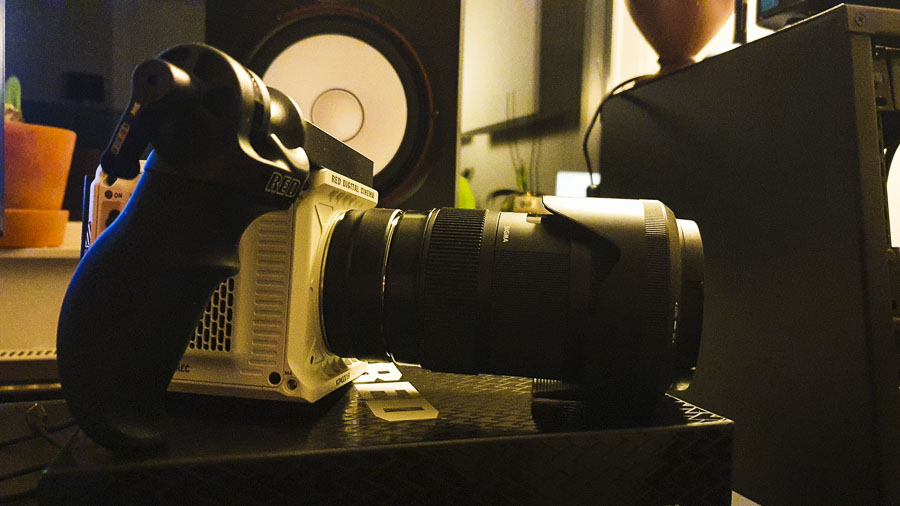
This list shows how global shutter has moved from rare to realistic for more kinds of productions.
Global shutter is no longer limited to niche systems. You can now find it in both cinema and hybrid cameras.
- RED KOMODO includes a 6K Super 35 global shutter sensor, which is one reason it is popular for compact rigs and action setups.
- Sony Alpha 9 III brought global shutter to a full-frame hybrid body, which shows how far the technology has moved into mainstream high-speed capture.
These examples show the direction of the market. Global shutter is becoming a realistic option for more budgets and more formats.
Trade-Offs You Should Expect
This is the part that keeps the topic honest. Global shutter can solve real problems, but the sensor design can require compromises.
Global shutter brings real benefits, but it can come with costs in sensor performance. The exact balance depends on the camera generation and the manufacturer’s design priorities.
- Higher cost in many camera tiers
- Lower light sensitivity in some designs due to extra pixel circuitry
- Potential dynamic range limits compared with top rolling shutter sensors
- Different noise behavior depending on the implementation
The underlying reason is often simple. A global shutter pixel may need more electronics to synchronize exposure and store charge. That can reduce the area that collects light.
Is global shutter always better?
No. A global shutter can be the right tool when your project depends on fast motion accuracy or LED-heavy workflows. A strong rolling shutter sensor can be the right tool when you need better low-light performance or a wider highlight-to-shadow range at your budget.
Use this quick gut-check before you lock your camera choice.
- If you expect fast pans, vibration, or strobing light, global shutter can save shots.
- If your project leans on subtle shadow detail or tight budgets, rolling shutter may be the smarter pick.
How to Test Whether You Need It
Specs can mislead you. Simple tests with your real gear and real lighting tend to give the best answer.
Do simple tests that match your real shoot conditions. You will get a clearer answer than any spec sheet.
- Pan past strong vertical lines. Check for skew with your intended frame rate and shutter angle.
- Test vibration on your planned platform. Use a car mount, handheld run, or drone rehearsal. Look for wobble.
- Shoot your actual LED panels and content. Try the shutter angles you expect to use. Watch for banding or scan lines.
Where Global Shutter Fits in Modern Sensor Design
This section links the concept to the bigger technology trend you see across new cameras.
Global shutter is part of a larger push toward faster readout and cleaner motion. You will often see it discussed next to stacked sensors and other speed-focused designs. The goal is similar across all of them. Reduce time-based artifacts without giving up too much image quality.
A stacked sensor can reduce rolling shutter because it reads faster, but it is not a shutter mode like global reset, and it is not the same as a true global shutter.
Summing Up
A global shutter sensor exposes the whole frame at once, which reduces skew, wobble, and many flicker-related artifacts you may see with rolling shutter.
You gain the most in fast action, drones, vehicle rigs, and LED volume work. You may also see trade-offs in cost, sensitivity, and dynamic range depending on the camera. The best choice is practical. Test your real motion and your real lights. If global shutter saves you from reshoots or complex fixes in post, it can be worth the upgrade.
Read Next: Want to get confident with your camera?
Start with our main Cinematography hub to see how lenses, lighting, movement, and exposure work together to create the final image.
Then explore the full Camera section for guides on camera bodies, sensors, white balance, file formats, and the technical tools you work with on set.
You can also visit our Camera Shots & Angles pages to learn how framing and shot choice drive mood, pacing, and meaning.
