

Reading Time: 2 minutesWhat is a pan and scan? Definition & Meaning A pan and scan is a method of reformatting widescreen films to fit a narrower aspect ratio by cropping the frame and moving the cropped area to follow the action. It was common during the VHS and early DVD eras, when widescreen movies had to fit… Continue reading Pan and Scan Explained: Cropping Widescreen for TV
widescreen
What is Panavision? Definition, History & Examples

Reading Time: 3 minutesWhat is Panavision? Definition & Meaning Established in 1953, Panavision has made several contributions to the film industry with its camera and lens technology. The company has earned a reputation for producing high-quality cinematic equipment. Both film and television productions use Panavision’s range of cameras, lenses, and accessories, which have set industry standards. Historical Background… Continue reading What is Panavision? Definition, History & Examples
What is VistaVision? Definition, History, and Examples.

Reading Time: 3 minutesVistaVision Definition & Meaning VistaVision is a widescreen film format developed by Paramount Pictures in 1954. Unlike traditional film formats, VistaVision uses a horizontal 35mm film gauge rather than the standard vertical orientation. The format was innovative, but its popularity declined in the late 1950s as other widescreen formats like CinemaScope and Panavision gained traction.… Continue reading What is VistaVision? Definition, History, and Examples.
A Brief History of Widescreen Cinema & TV
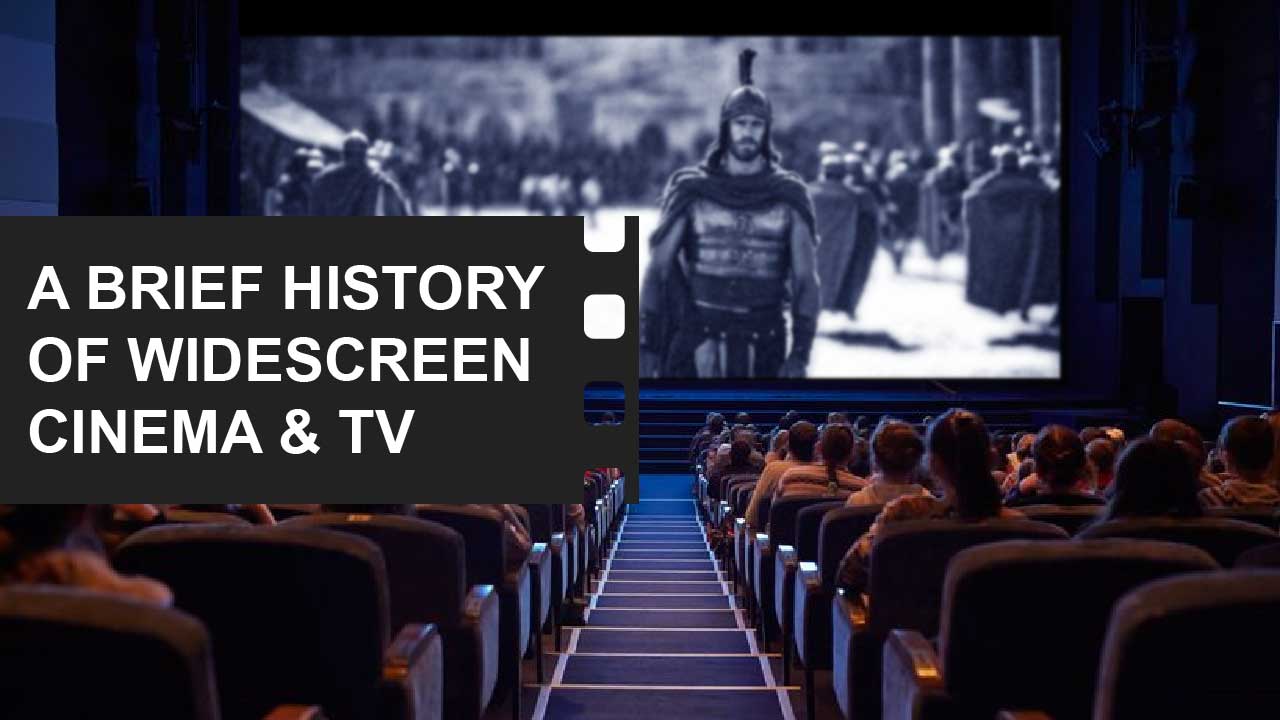
Reading Time: 3 minutesWidescreen is a format for displaying images and videos that makes them wider than tall. This format is popular for movies and TV because it closely matches how we naturally see the world with our eyes, providing a more immersive experience. Once upon a time, before cinema became as vast as we know it today,… Continue reading A Brief History of Widescreen Cinema & TV