

Published: July 10, 2024 | Last Updated: February 6, 2026

Overview
Definition: A catalyst is the first story event that breaks your protagonist’s normal routine and forces a response.
What you’ve seen before: You see it when a character gets news, suffers a loss, meets someone disruptive, or witnesses something that turns a calm setup into “I have to deal with this now.”
Example: In The Matrix (1999, Warner Bros.), Neo gets the phone call that tells him to escape his office, and the agents closing in makes “carry on like normal” impossible. The moment pushes him into a choice, and the story starts moving with real cause and effect.
Why it matters: The catalyst creates your story’s first real problem, so it also creates your first short-term goal. After the catalyst, your next scenes should show reaction, decisions, and cost. If the catalyst is soft, late, or easy to ignore, the opening can feel like setup with no pressure.
- Key takeaway 1: Make the catalyst a visible trigger on-screen, like an arrival, a threat, a discovery, or a message.
- Key takeaway 2: Track the first consequence, since the next scenes should show choices and fallout.
- Key takeaway 3: Tie it to a clear problem, so you understand what changed and what the protagonist has to deal with next.
Next, let’s break down what a catalyst does in a story, and how it connects to other beat terms.
What is a Catalyst in Film? Definition & Deeper Meaning
A catalyst is the first moment that changes the story’s situation in a way your protagonist cannot safely ignore, so the plot gains direction.
A catalyst can be a sudden event, a new character, or a piece of information. The form does not matter as much as the job it does.
Quick test: After this moment, what becomes impossible to keep doing the old way?
Why the catalyst matters in film
When you plan a film, you manage time and attention. The catalyst is the moment where the story stops feeling like daily life and starts feeling like a problem with consequences.
It gives you a real “now what?”
A strong catalyst makes a promise: something changed, and the protagonist has to deal with it. That promise helps your pacing, and it helps you track cause and effect from scene to scene.
It helps you build the first act with purpose
Without a clear catalyst, early scenes can drift because they do not aim at one pressure point. With a clear catalyst, you can judge every early scene with one question: does this set up the change, or does this show the response to the change?
It can affect production decisions early
The catalyst is often the first moment that needs a specific location, prop, stunt, VFX, or a sensitive element like a child actor. That can shape your schedule, budget, and coverage earlier than you expect.
What a catalyst is in practical terms
Think of the catalyst as the first moment that forces your story to commit to forward motion. It does not need spectacle. It needs consequence.
- It changes the situation: the “before” world stops working the same way.
- It forces a response: the protagonist reacts, even if the first reaction is refusal.
- It points toward conflict: it reveals the kind of problem the story will keep pressing.
- It creates momentum: it sets up follow-up actions that feel like the only next steps.
Catalyst vs. inciting incident
People mix these terms up because many teachers use them as synonyms, and many stories only have one early trigger. FilmDaft’s goal is craft clarity, so you can build scenes that do the right job.
Why the terms overlap
A catalyst and an inciting incident often describe the same moment: the first disruption that breaks routine and introduces the main problem. If you want a separate reference definition for outlining, you can compare against this page: What Is an Inciting Incident in Writing?
A practical split you can use
If you want a useful distinction, treat the inciting incident as the first sign of the main problem, and treat the catalyst as the moment that makes avoidance expensive. In many films, those are the same scene. In slower builds, you get a smaller disruption first, then a stronger trigger that forces action.
How this shows up in beat templates
Beat sheets often label a specific “Catalyst” beat. In Save the Cat, the Catalyst often lands around page 12 in a feature script. The page count can shift by genre and pacing, but the function stays the same: the story stops circling the normal world and starts chasing a real problem.
Catalyst vs. plot point and rising action
These terms make more sense when you separate them by job. A catalyst starts motion. A plot point turns the story in a big way. Rising action is the stretch where complications stack, and choices get harder.
Catalyst vs. plot point
A catalyst can be small and still work, as long as it forces a response. A first-act plot point usually locks the protagonist into the journey and shuts the door on the old life. It often feels like commitment.
Catalyst vs. rising action
The catalyst is usually one trigger. Rising action is the chain of complications that follows once the story is moving. If you want a separate reference definition for that middle stretch, use this page: Rising Action in Film.
Catalyst event vs. catalyst character
“Catalyst” can describe a story event, and it can also describe a character whose presence forces change in other people. The craft questions are slightly different in each case.
The catalyst as an event
An event catalyst is easy to map. Something happens, the protagonist cannot keep living the same way, and the next beats follow from that pressure. When you write it, focus on what becomes impossible after the event.
The catalyst as a character
A catalyst character can arrive, reveal something, tempt someone, or expose a weakness. The key test is simple: does the story change because this person is here? In Mary Poppins (1964, Walt Disney), Mary’s arrival changes the family dynamic because she challenges the parents’ habits and the children’s behavior.
Scene examples from film
Examples work best at scene level. You should be able to point to the moment, describe what changed, and name the next consequence.
The Hunger Games (2012, Lionsgate)
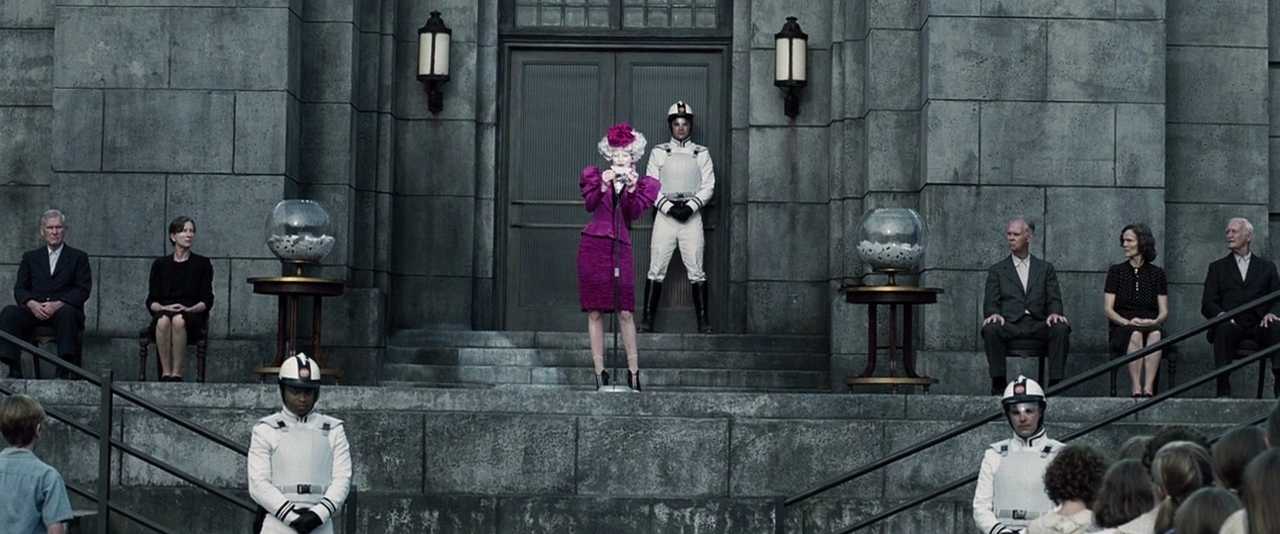
Katniss starts in survival routine: hunting, trading, and protecting her family. The catalyst hits at the Reaping when Prim’s name is called and Katniss volunteers. The consequence is immediate: her goal shifts from “keep my family fed” to “survive a public death game,” and every next decision follows from that forced change.
Finding Nemo (2003, Pixar)

Marlin starts in protection mode, and fear controls his choices. The inciting incident arrives when Nemo is taken by a diver. The catalyst arrives when he meets Dory, and she reads from the diver’s mask that Nemo has been taken to Sydney, Australia. The consequence is simple and brutal: Marlin cannot fix the problem at home, so he has to cross into the wider ocean and face risks he avoids in his normal life.
The Matrix (1999, Warner Bros.)
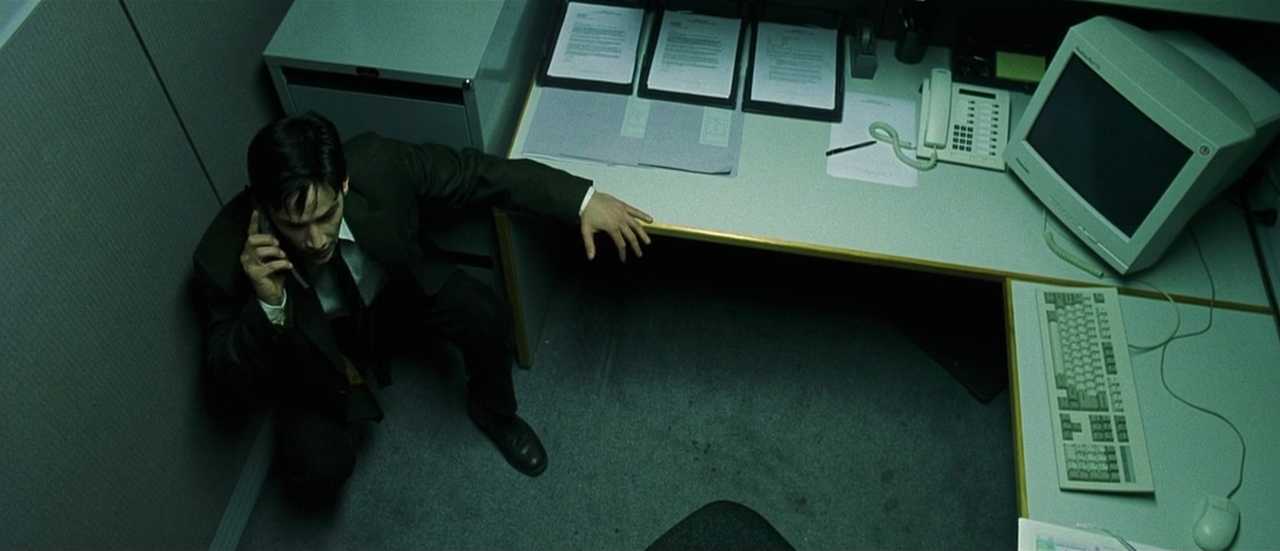
Neo starts split between routine and obsession: a day job and late-night searching. The catalyst lands when the agents move on him, and the “follow instructions or get caught” pressure becomes real. From there, the story stops being curiosity and turns into a concrete question: will Neo step into a new reality, and will he accept the cost of that choice?
Examples from classic novels and plays
Film terms borrow a lot of language from literature, so it helps to see the same mechanics on the page. The catalyst still means a trigger that starts a chain of consequences.
Hamlet by William Shakespeare
William Shakespeare, an English playwright from the late 1500s and early 1600s, uses the Ghost as a catalyst. The Ghost’s revelation forces Hamlet into a new problem, and the story gains direction because Hamlet cannot return to normal life after hearing the accusation.
A Doll’s House (1879) by Henrik Ibsen
Henrik Ibsen, a Norwegian playwright, sets the catalyst pressure through Krogstad’s threat to expose Nora’s secret. The threat makes “keep the peace at home” impossible, and the consequences stack until Nora has to make a final decision about her life.
How to write a strong catalyst scene in a screenplay
If you treat the catalyst like a box to tick, it turns mechanical. Treat it like a cause with a clear effect, and it becomes one of your best structure tools. You can also cross-check your scene map with FilmDaft’s beats guide: How to Use and Write Story Beats in a Screenplay.
- Write the “before” state in one sentence: define what normal looks like, so you can prove the catalyst broke it.
- Make the trigger visible: show an action, discovery, arrival, loss, or message. If the change is internal, give it an external sign.
- Force a response inside the scene: end with a decision, a refusal with cost, or a new problem that demands a next step.
- Connect it to the central conflict: ask what long-term problem this moment points toward. If it only creates a detour, it might be a subplot trigger.
- Test it in the edit: if it feels weak, cut setup that repeats, move key information earlier, or rewrite the scene button so the consequence lands hard.
Common misunderstandings and misuses
Most catalyst problems come from label confusion, or from writing a moment that looks like change but forces nothing. These fixes get simple once you know the tests.
Calling a hook a catalyst
A hook can be exciting and still fail as a catalyst. If the protagonist can ignore the moment and continue life as usual, you do not have story motion yet. Add a consequence that reaches daily life and choices.
Mistaking setup information for change
Worldbuilding and backstory can be interesting, but they do not automatically move plot. Separate “what you need to know” from “what changes today.” Put the change on-screen first, then let information support it.
Relying on coincidence with no choices afterward
A random event can start a story, but the protagonist needs meaningful choices soon after. Design a response that reveals character. Even refusal can work if it creates cost and pushes the next beat.
Stacking several early triggers with no anchor
Several small disruptions can work, but you still need one moment that clearly turns the story. Pick a single catalyst scene as the anchor, then make the other moments feel like setup that leads into it.
Summing Up
A catalyst is the first visible trigger that breaks the protagonist’s normal routine and forces a response, so the plot gains direction through cause and effect. It often overlaps with the inciting incident, and some frameworks treat them as the same beat. A strong catalyst is specific, it creates consequences, and it points toward the central conflict. When you write it as a real change with real fallout, your first act gains momentum, and your later beats become easier to build.
Read Next: Got a cool idea but no story yet?
Check out our Story Development section for help turning rough ideas into clear concepts, building stronger characters, and finding the heart of your script before you write page one.
Want to build the whole toolkit? Explore the Screenwriting archive for structure, formatting, and career advice that supports every step of your writing process.
