
Writing and development rely on intent, voice, and judgment. AI tools can assist with analysis and mechanical tasks, but they do not make narrative decisions or understand meaning in context.
This section explores how AI can support loglines, outlines, feedback, and coverage while remaining a supporting tool. It shows where AI saves time, where it misleads, and how to keep control over story, tone, and character.
Featured Posts
AI for Screenwriting: What It’s Good For (And What It Isn’t)
AI can help with parts of the screenwriting process, especially when you’re dealing with variations, summaries, or consistency checks. But …
All Posts

Grammar and Style for Screenwriters Using AI Tools
Grammar and style for screenwriters using AI tools is a set of practical rules and review checks for keeping facts, …
Dialogue Checks with AI (Subtext, Consistency, and Cliché Detection)
Dialogue checks with AI is the practice of using a language model to scan a scene for risks in subtext, …

Thoughts on Using AI for Script Analysis: Coverage, Notes, and Confidence
Script coverage and development notes help decide what gets made. These tools are used to evaluate screenplays quickly, suggest rewrites, …
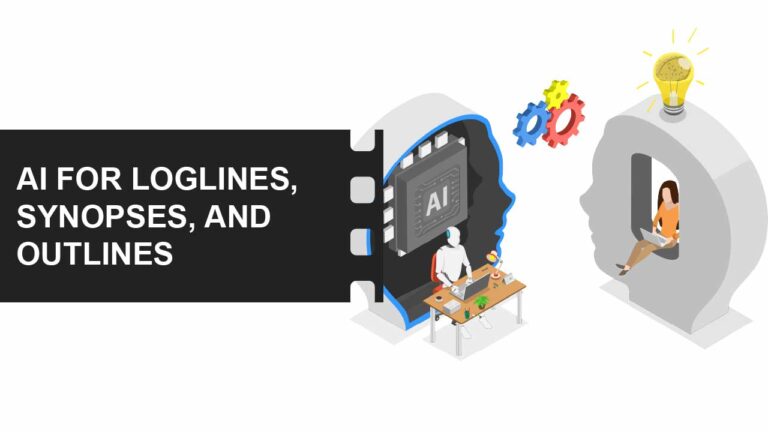
Using AI for Loglines, Synopses, and Outlines
Using AI for loglines, synopses, and outlines means getting early feedback on clarity and structure, without letting the tool rewrite …