
Generative AI video tools can create images and motion that did not exist before. This makes them useful for exploration and limited production tasks, while introducing new limits around continuity and control.
The articles in this section explain how text-to-video, image-to-video, and video-to-video systems behave in real workflows, focusing on planning, reference use, and common failure points rather than tool lists.
Featured Posts

AI Tools for Filmmaking: Models, Workflows, Choices
AI tools for filmmaking are software services and models that generate, transform, or analyze film-related material (text, images, audio, or …
AI Video Generators Explained: Limits and Uses
AI video generators are now part of everyday film and video conversations. Even if you do not plan to use …
All Posts
Aspect Ratios, Motion, and Temporal Artifacts in AI Video
AI video tools can generate frames that look good by themselves, but break down when played back as motion. Problems …

AI B-Roll and Inserts: A Practical Filmmaking Workflow
AI B-roll and inserts are short shots generated with artificial intelligence to support an existing edit. They work best when …
Character Consistency in AI Video Workflows
One of the first problems you run into with AI video is character drift. A character might look right in …
Shot Planning for AI Video: Continuity and Coverage
Shot planning for AI video means making clear decisions about what you want to show before you start generating anything …
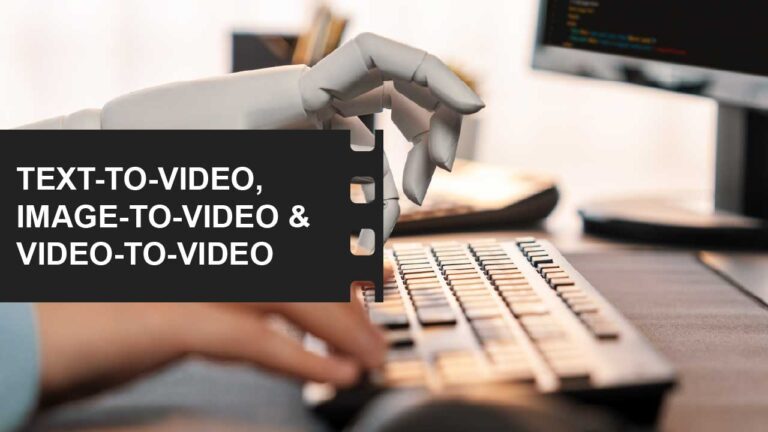
Text-to-Video, Image-to-Video, and Video-to-Video
Generative AI video tools can create clips from text, images, or footage. Even though these tools are often shown together, …