
Published: September 17, 2025 | Last Updated: November 19, 2025

What is Brand photography? Definition & Meaning
Brand photography is a subgenre of commercial photography which consists a collection of professional photos that represent a business’s visual identity, values, mission, and unique selling proposition. They are custom images planned to tell your brand’s story and make your business recognizable. They can be used in digital channels, offline spaces, and even on product packages.
Why Custom Brand Photography Builds Recognition and Trust

Brand photography helps people recognize your business quickly and remember it later. When your photos follow the same look and feel across websites, social media, and print, they tell people that your business is reliable and consistent.
Brand photography images also set the mood and tone that people feel when they see your brand.
- Mood is emotional: Is the brand playful, calm, serious, warm?
- Tone is stylistic: Is the brand modern, vintage, sleek, gritty?
Custom photos help define your brand’s visual image
Custom photos give you full control over how your brand appears. You choose the setting, lighting, colors, and mood. This gives your images a signature style that makes you stand out.
Over time, consistent imagery builds recognition. People see the same tone and style across your channels and begin to associate those visuals with your brand. That builds trust, which can turn into sales. Real brands like Airbnb and Coca-Cola rely on strong visual identities for exactly that reason.
You own the exclusive rights = no more stock photos
When you hire someone to do brand photography for you, you usually own the exclusive rights*, which means you don’t have to pay licensing fees or worry about using the same stock image as someone else.
*Who Owns Brand Photography?
By default, the photographer owns the copyright, even if you paid them to take the photos. That’s how copyright law works in most countries.
But when you hire a brand photographer, they often include a license agreement that gives you exclusive usage rights. This means:
- You can use the photos however you want (within the agreement).
- You don’t owe extra licensing fees later.
- No one else, including the photographer, can sell or reuse your images.
You don’t usually own the copyright unless it’s signed over in writing (called a copyright transfer or work-for-hire agreement).
Types of Brand Photography to Represent Your Visual Identity

A strong brand photo library includes a wide range of images. Some focus on people. Others show places, products, or behind-the-scenes work. Together, they tell your story in a way that’s visual and consistent. These are the core types to consider.
Headshots create connection. Portraits of you or your team, even simple ones, make your brand feel personal. Candid smiles or relaxed poses add warmth.
Lifestyle images show your product or service in a real setting. A yoga brand might show someone stretching at dawn. A bakery could show a customer taking a bite of fresh bread. These scenes help customers imagine themselves using your product.
Behind-the-scenes photos give people a peek into your process. Showing your workshop, studio, or packaging area makes your business feel transparent.
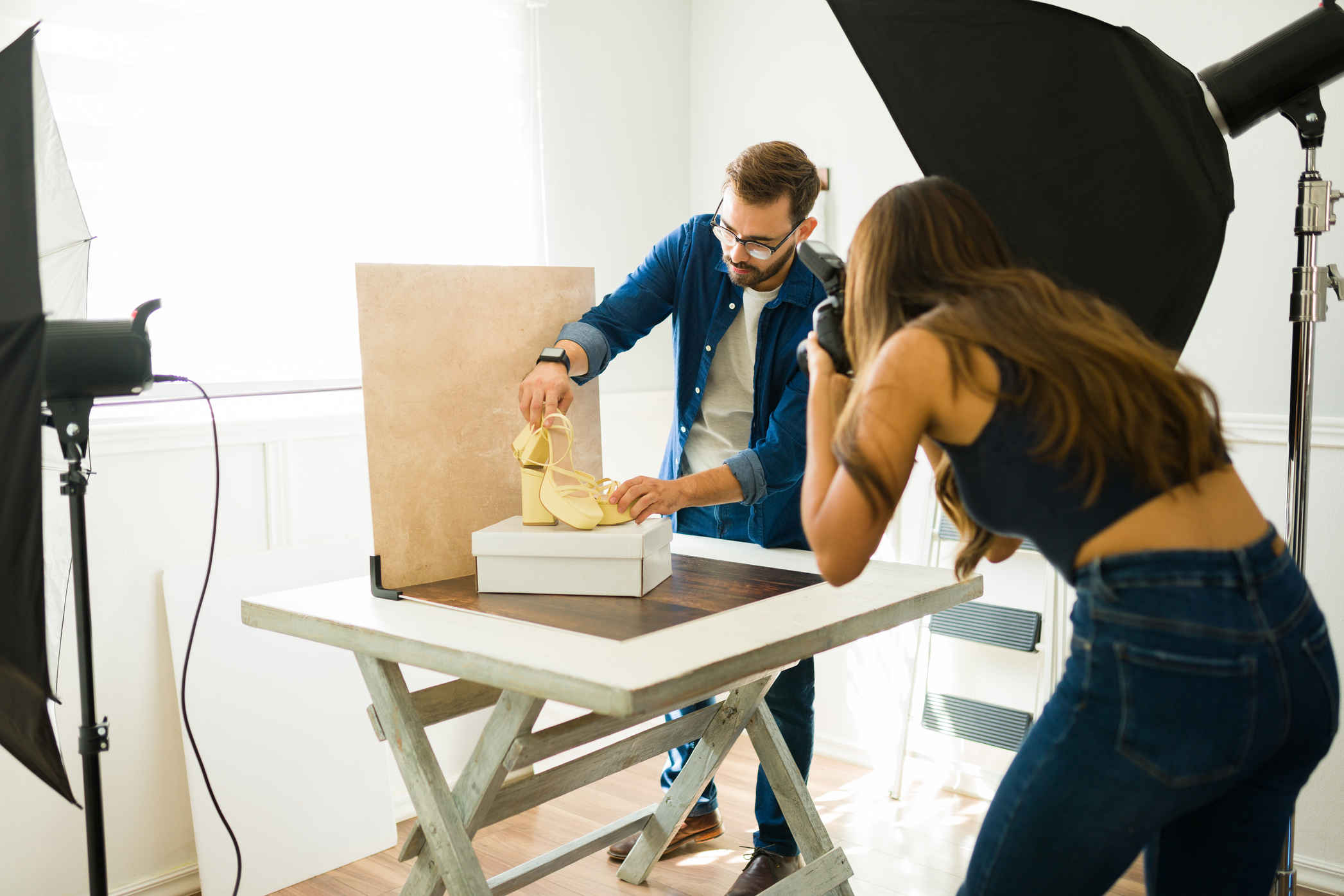
Flat lays and product shots work well for websites and ads. These highlight color, material, or texture.
Location and environment images add context. They show your studio, storefront, or event space to ground your brand in a place.
Personal brand moments matter too, especially if you’re a solo founder, coach, or influencer. You might show hobbies, travel, or daily routines that reveal more about who you are.
How to Plan a Brand Photoshoot for Marketing Success
Planning is the key to great brand photography. Without a plan, your shoot can feel rushed or disconnected from your goals. Use the steps below to stay organized and get photos that actually support your brand and marketing efforts.
Step-by-Step Photoshoot Planning Guide

This guide helps you define your message, organize your ideas, and keep the shoot on track. It covers everything from your goals to the shoot day itself.
- 1. Define your goals: What do you want your photos to say? A luxury spa might want calm and elegance. A startup might want energy and innovation.
- 2. Create a mood board: Gather visual references (colors, textures, lighting) to share with your photographer. Read more on color psychology.
- 3. Choose your platforms: Plan photos based on where they’ll be used: verticals for print, wide shots for websites, candid shots for Instagram.
- 4. Build a shot list: Outline the key images you need (headshots, location shots, product uses) so nothing is missed on the day.
- 5. Scout your locations: Visit in advance and check lighting, distractions, and permission if needed. This is not that different from location scouting for film, and you can read more tips on what to scout for (pun intended) here.
- 6. Shoot day: Stick to your list, but stay flexible. If something isn’t working, change angles or lighting.
After the shoot, go through your photos and sort them by use (such as web, print, ads, or social media). Choose the strongest images and back them up in organized folders.
Marketing Uses for Brand Photography Across Platforms
Your brand photos should show up everywhere people see your business.
On your website, use high-quality images in banners, product pages, and your team section. It makes the site feel more personal and professional. On social media, a clean, consistent photo style helps people recognize you fast. Behind-the-scenes shots, in particular, get strong engagement.

In ads, custom photos usually perform better than stock images. They feel real, not generic, and that makes people more likely to click. You can also use your photos in print, like brochures, packaging, or business cards, where professional visuals can decide whether someone reads or skips. During events or presentations, use these images in slides or booth designs to support your message.
Press kits need strong visuals too. Journalists and bloggers want images that are clear and easy to use. When you include your own, you increase your chances of getting featured. Each photo should match your tone, reflect your values, and push your brand forward.
Brand Photography vs Product Photography: What’s the Difference?
These two types of photography serve different roles. Product photos are often clean, technical, and shot on plain backgrounds to show details. Brand photography adds depth by showing how the product fits into real life, i.e., who uses it, how it feels, and what story it tells.
Think of product photos as showing what you sell. Brand photos show why it matters. Using both gives your business a more complete visual identity.
Summing Up
Brand photography gives you a complete visual language to express who you are, what you offer, and why it matters. By mixing headshots, lifestyle shots, behind-the-scenes content, and thoughtful planning, you create a photo library that works across platforms and helps your business feel real, personal, and trustworthy. Done right, these photos support sales, increase trust, and stay useful for years.
Read Next: Want to level up your photography skills?
Explore our Photography section for guides on lighting, composition, camera settings, and creative techniques across genres like portrait, landscape, and street.
Whether you’re shooting on a mirrorless camera or your phone, you’ll find sharp, practical tips to take more intentional and creative photos.
Also check out our Visual Composition section, with deep dives into framing, color psychology, and visual art history—key tools for any photographer thinking like an image-maker.
