

Published: June 19, 2019 | Last Updated: October 3, 2025

What is a graphic novel? Definition & Meaning
A graphic novel is a long-form narrative that tells a complete story using both text and sequential art, often with the length, complexity, and structure of a traditional novel.
Graphic novels matter to film because they influence how movies are written, storyboarded, and visually designed. Directors often borrow panel-based composition, pacing, and symbolic imagery from graphic novels. Many books have also been adapted directly into films, which I’ll return to later in this article.
Graphic novels use illustrated panels to build characters, shape scenes, and control pacing. They are published as single books with a beginning, middle, and end. The format is used for memoirs, science fiction, historical accounts, and many other genres.
What Makes a Graphic Novel Different?
Graphic novels and comic books both use illustrated storytelling, but they differ in format and structure.
Complete Narrative
Graphic novels are self-contained stories. They are designed to be read as full works, like traditional novels. Comic books are often released in short, serialized issues that continue across volumes.
Length and Structure
Graphic novels are usually over 100 pages long and may be divided into chapters. They often explore more complex themes and character development than most comic issues.
Format and Purpose
Graphic novels are printed as bound volumes and often sold in bookstores or made available through libraries. They may be written for adults, teens, or younger readers, depending on the topic.
How Graphic Novels Tell Stories
Graphic novels combine visuals with written language to communicate plot, emotion, and tone. Every part of the layout contributes to storytelling.
Panels and Layout
Panels are arranged to create pacing, rhythm, and focus. Artists use panel size, shape, and sequence to slow time, speed it up, or highlight important moments.
Text and Dialogue
Most graphic novels use a mix of dialogue balloons, captions, and visual cues. Narration may appear inside boxes, while speech is often written in balloons next to characters.
Color and Symbolism
Color, lighting, and repeated symbols help set the mood and support themes. Some stories use a limited palette, while others rely on expressive shifts between scenes.
History of the Graphic Novel Format
The term “graphic novel” became common in the 1970s, but the idea of visual storytelling dates back centuries.
Origins and Early Forms
Artists have long combined words and pictures. Examples include medieval manuscripts, Japanese ukiyo-e prints, and 19th-century political cartoons. These early works used images to communicate meaning alongside text.
Modern Graphic Novels

Will Eisner helped shape the format with A Contract with God (1978, Baronet Books). Art Spiegelman’s Maus (1986, Pantheon) gave the form wide literary attention. Both works showed that comics could handle serious topics and complex storytelling.
Examples of Graphic Novels

Many graphic novels have become widely studied or adapted for film. These titles helped define the form and expand its audience.
Maus (1986, Pantheon)
Spiegelman tells the story of his father’s survival in Auschwitz and his own attempt to understand that past. Jews are drawn as mice, Nazis as cats. The narrative moves between memory and the present.
Persepolis (2000, L’Association)
Marjane Satrapi draws on her experience growing up during the Iranian Revolution. The black-and-white art mirrors the tension between personal freedom and political control. The story shows both childhood and early adulthood.
Fun Home (2006, Houghton Mifflin)
Alison Bechdel’s memoir covers her relationship with her father and her coming-of-age as a queer writer. The book mixes images, diary entries, and literary references (see intertextuality) to explore grief, identity, and memory. Fun Home was adapted into a stage musical. Alison Bechdel is also the mother of the comic strip from Dykes to Watch Out For that became The Bechdel Test, which looks at the representation of women in film.
Watchmen (1987, DC Comics)

Alan Moore and Dave Gibbons use a dystopian version of the United States to question power, justice, and history. The story uses repeated symbols and nonlinear storytelling. It became a major influence on superhero media.
Sin City (1991–2000, Dark Horse)
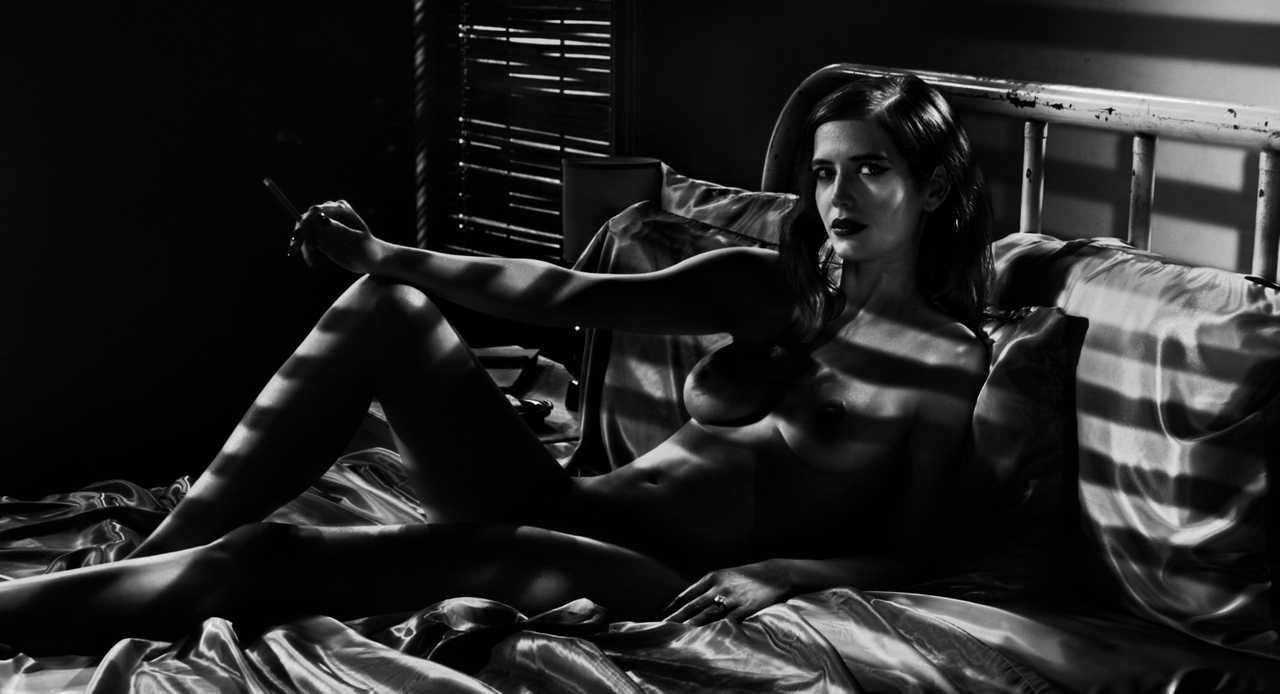
Frank Miller’s crime series uses bold black-and-white artwork with minimal color. Though originally released in separate comic issues, the stories were later bound in volumes with a graphic novel structure. The 2005 and 2014 film adaptations matched the visual style closely.
Graphic Novels and Film
Many graphic novels have been adapted into movies. Others have shaped how directors use color, framing, and tone.
Direct Adaptations
As shown above, Persepolis (2007), Watchmen (2009), and Sin City (2005) follow their source material closely. Their directors kept the original layout, character design, and tone.
Visual Influence
Even when not direct adaptations, many films use the pacing and composition of graphic novels. Directors use shot framing that resembles comic panels. This is common in animation, action, and superhero films.
Summing Up
Graphic novels are self-contained narratives told through both images and text. They offer the structure of a novel with the visual tools of comics. While rooted in comic book traditions, they support longer stories, deeper themes, and varied genres. Their influence continues to grow in literature, education, and film.
Read Next: Curious how film theory shapes the way we watch movies?
Start with the Film Theory section to break down realism, formalism, structuralism, and more — with examples from iconic films.
If you want studying film theory I recommend starting with The FilmDaft overview of film theory discourses to break down realism, formalism, structuralism, and more — with examples from iconic films.
Then explore the full Film History, Theory & Genre collection to see how movements, styles, and storytelling traditions have evolved.
Whether you’re into Soviet montage or 2000s genre mashups, there’s something here to sharpen your understanding.
