

Published: March 14, 2025 | Last Updated: January 7, 2026

what is a Cutaway Shot? Definition & Meaning
A cutaway shot briefly shifts the audience’s attention from the main action to something else, then returns. It’s a classic editing move that adds context, builds tension, or shows what a character is thinking. Some refer to it as a band-aid, because it can be used to tidy things up, but that’s simplifying it too much, when it’s done with purpose and intention.
Cutaway shots momentarily divert the audience’s attention from the primary action to a secondary element within the scene. Think of them as cinematic side notes, showing us something else that’s happening, giving us extra info, or letting us peek into a character’s mind.
See also the Kuleshov effect, which is a related concept.
Why Use Cutaway Shots? The Common Reasons
So why use cutaway shots? As hinted earlier, there are reasons beyond fixing missing coverage. Let’s break it down:
Keep the Flow Smooth
Sometimes, scenes don’t stitch together perfectly. A cutaway can mask those hiccups, making transitions feel seamless.
In dialogue scenes, editors often cut away from the speaking character to a separate reaction shot (such as the listener nodding or processing what was said) while trimming pauses or rearranging lines. This brief cutaway allows edits without breaking the scene’s flow, and the audience rarely notices it.
Build Suspense
Cutting away at the right moment can increase tension by delaying what the audience wants to see.
A classic example is cutting away from the main action to something related (like a ticking clock, a blinking timer, or a worried face) while a bomb is being defused. The cutaway stretches the moment, making the audience more anxious before the scene finally returns to the outcome.
Dive into a Character’s Head
Want to show what someone’s thinking? Cutaways can visualize memories, dreams, or fears without needing dialogue.
A good example we see in Blade Runner: The Final Cut (2007), where there’s a moment where Deckard imagines a unicorn:
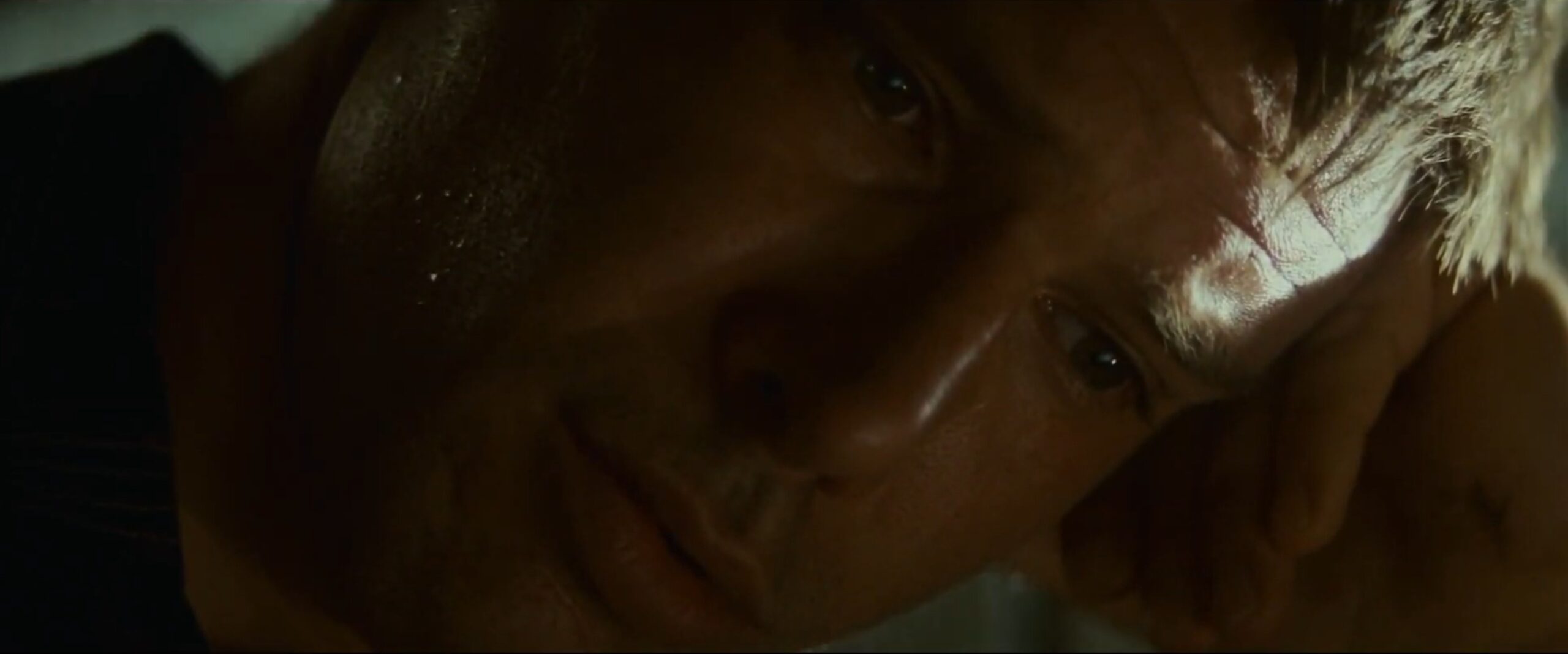
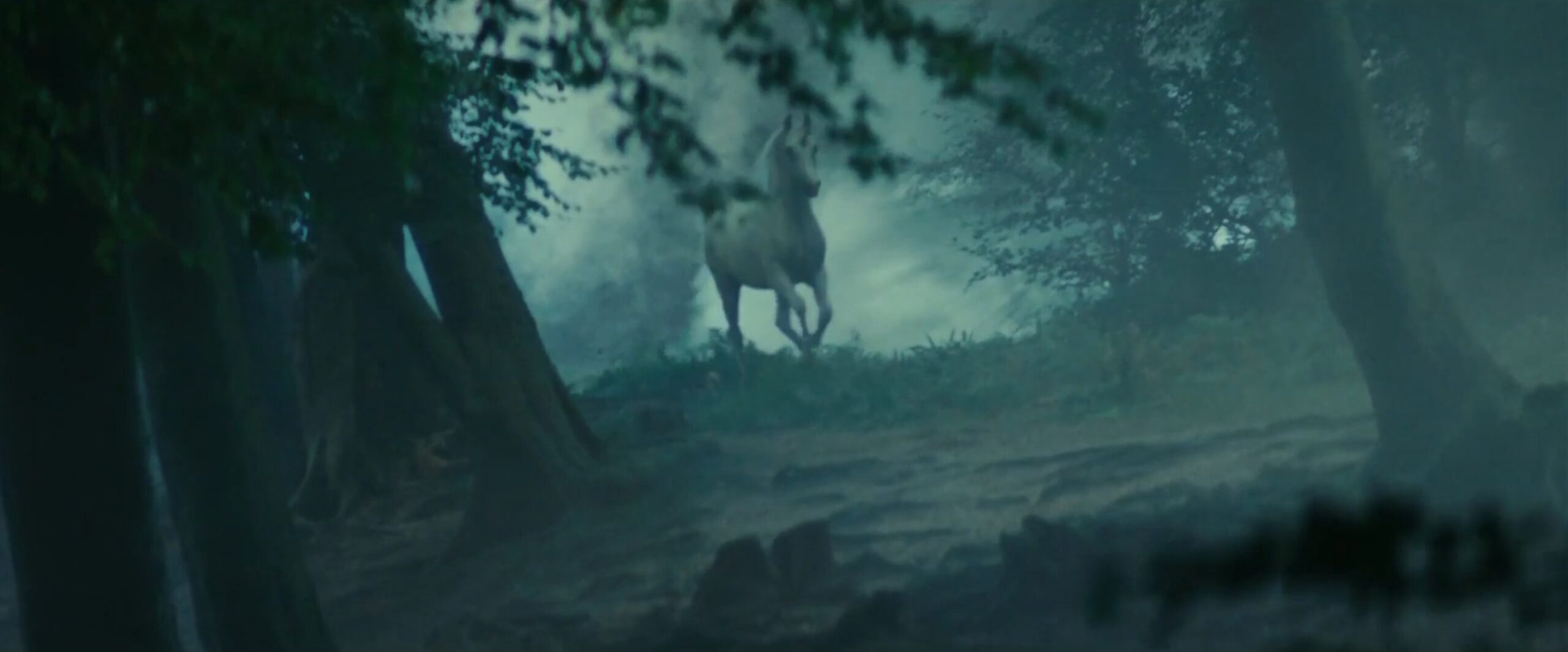
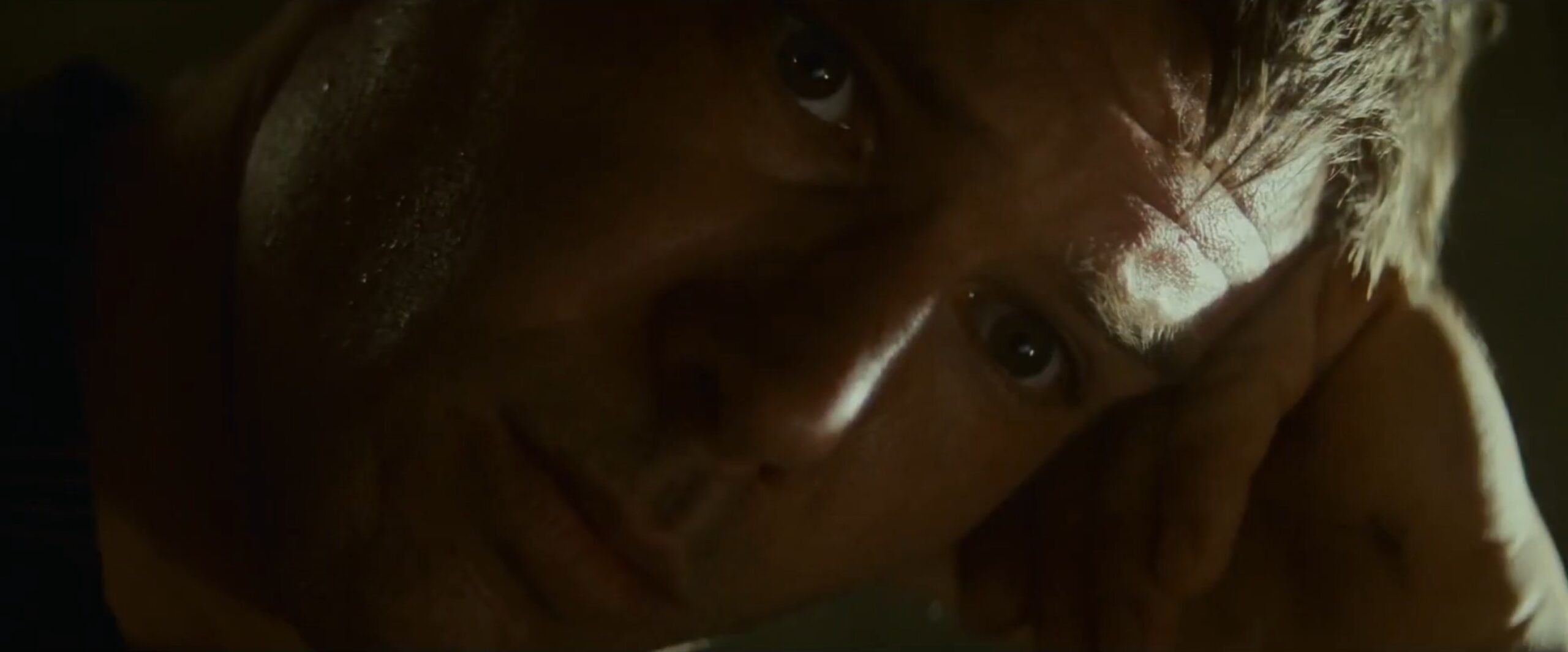
The unicorn cutaway represents something unreal and out of reach. Because unicorns don’t exist, it subtly hints that his memories might be artificial, much like the replicants’, making the cutaway metaphorical in meaning. I’ll get back to metaphors and cutaways in a second.
Another good example we see in A Beautiful Mind (2001) in which a tense sequence cuts away from the present moment to imagined threats inside the main character’s mind, then back again. The cutaways begin when Nash is overwhelmed by guilt and fear, and they end when he regains control by stopping the car and grounding himself in reality.
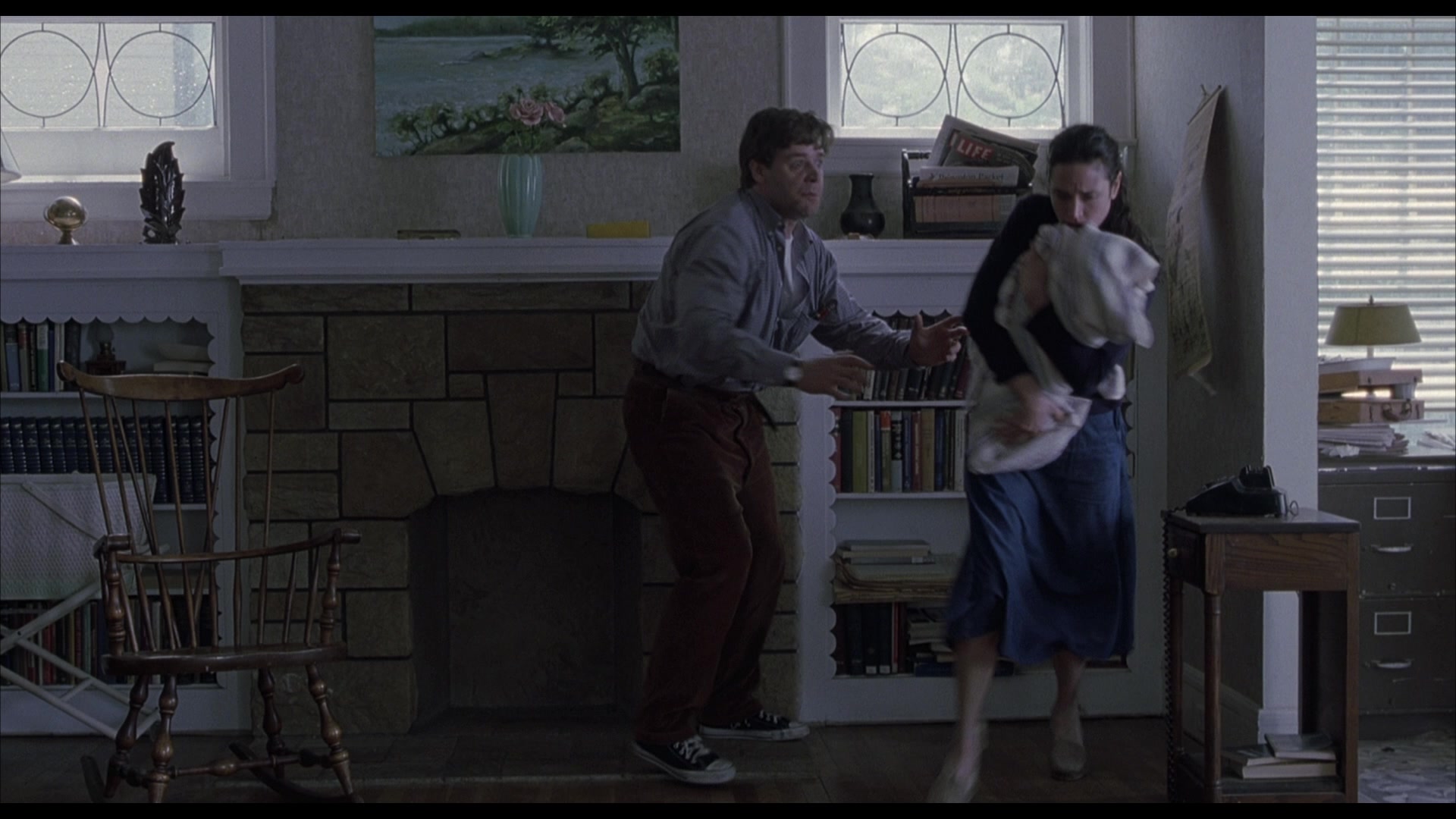
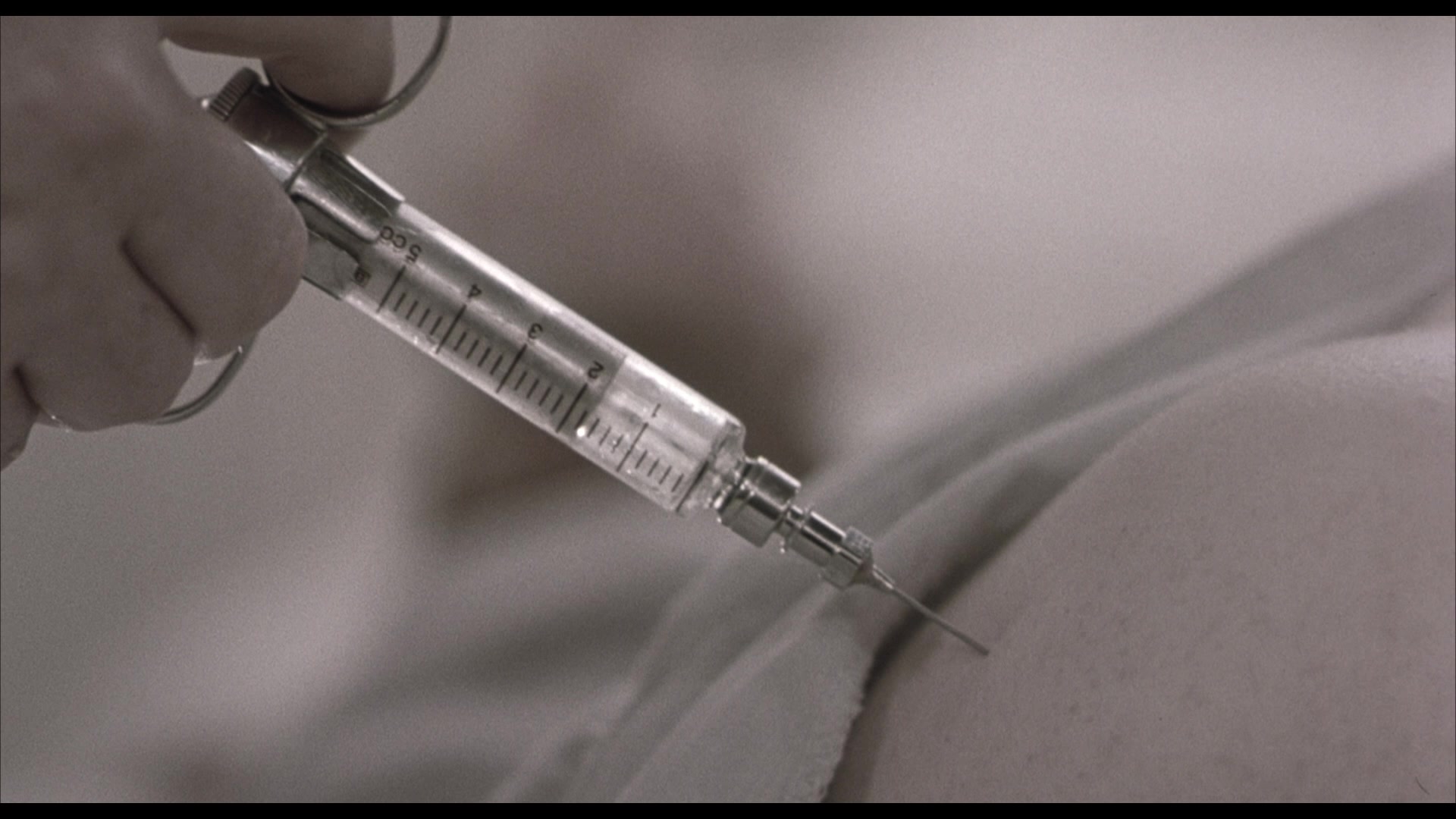
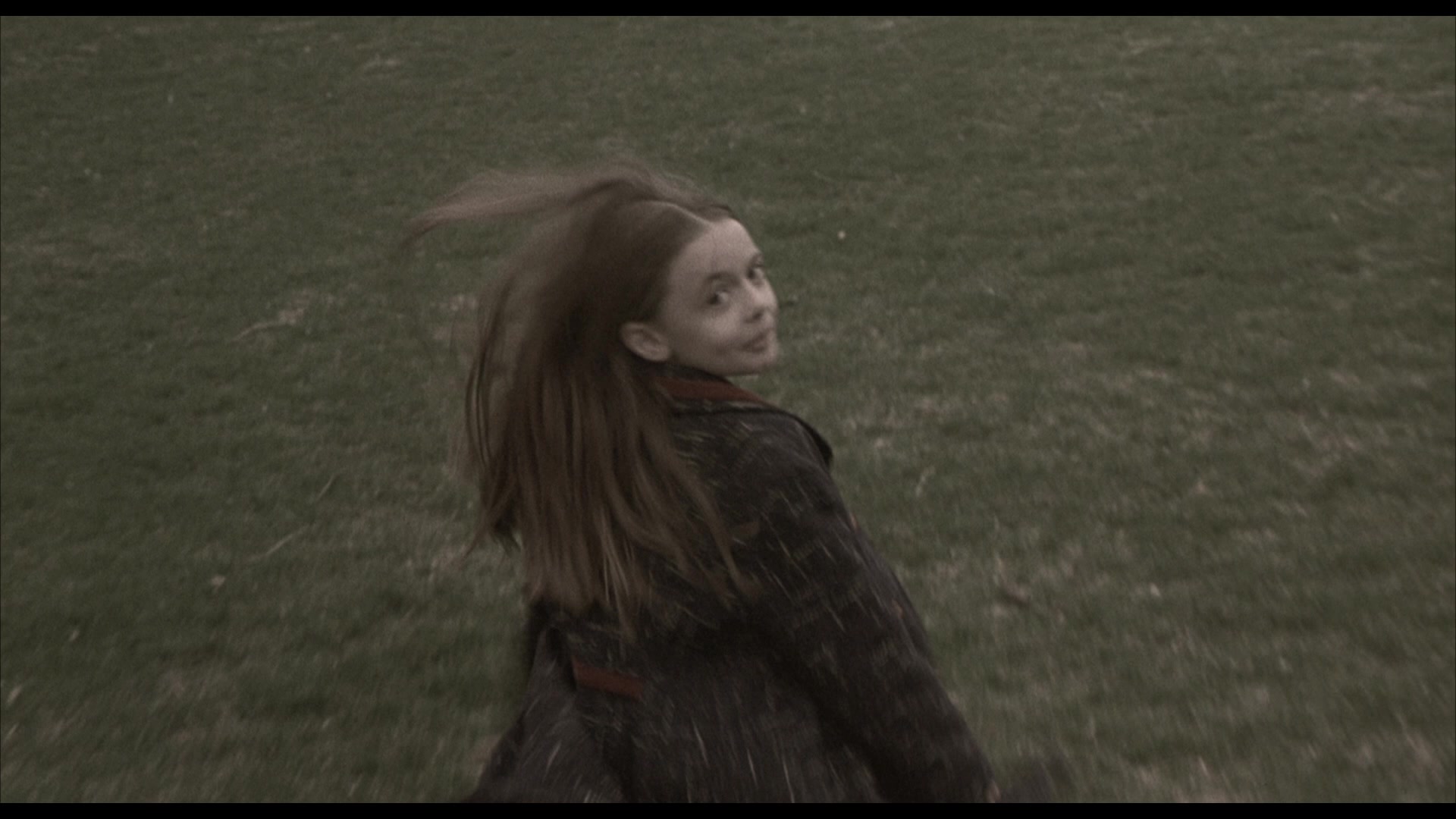
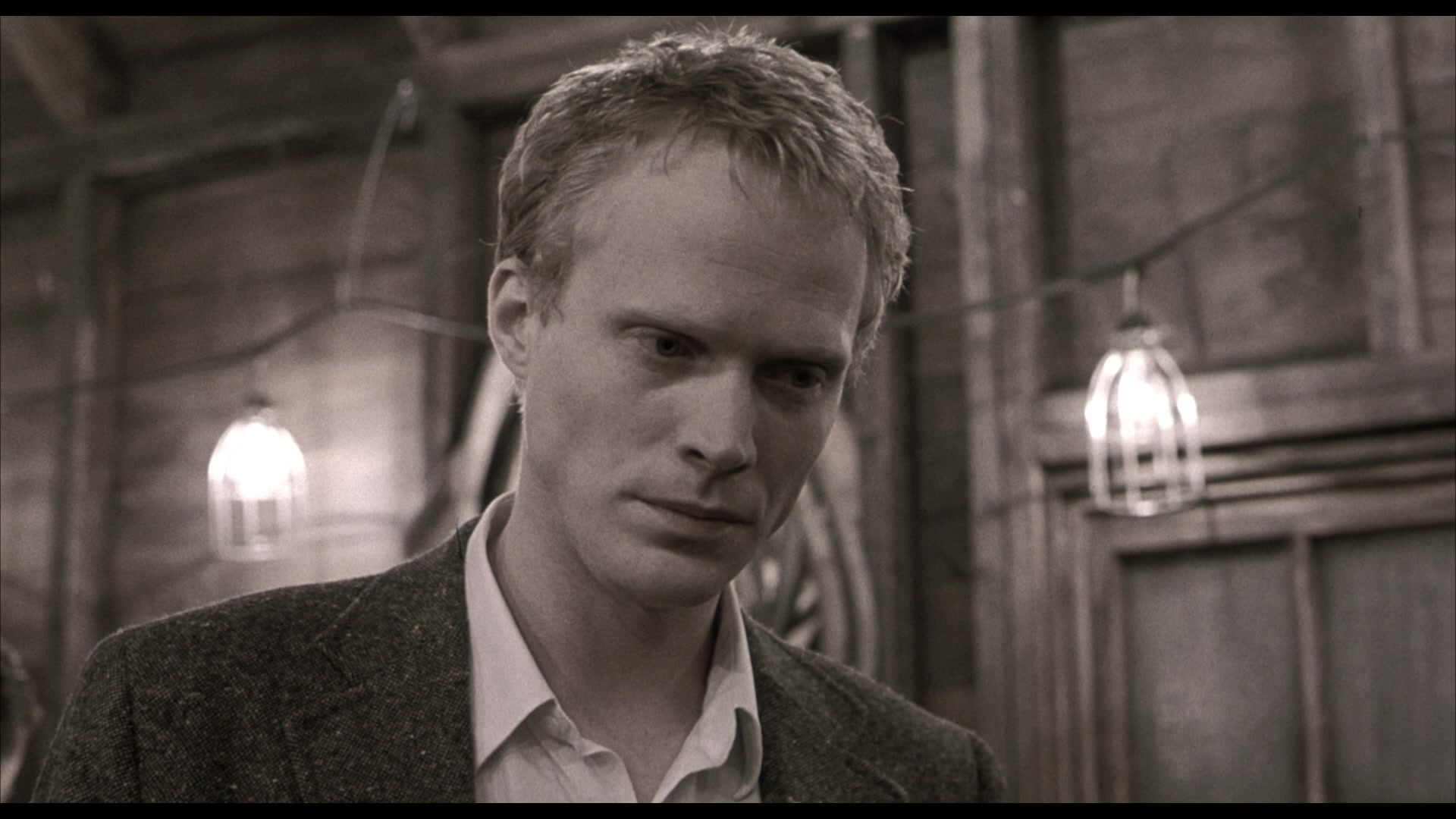
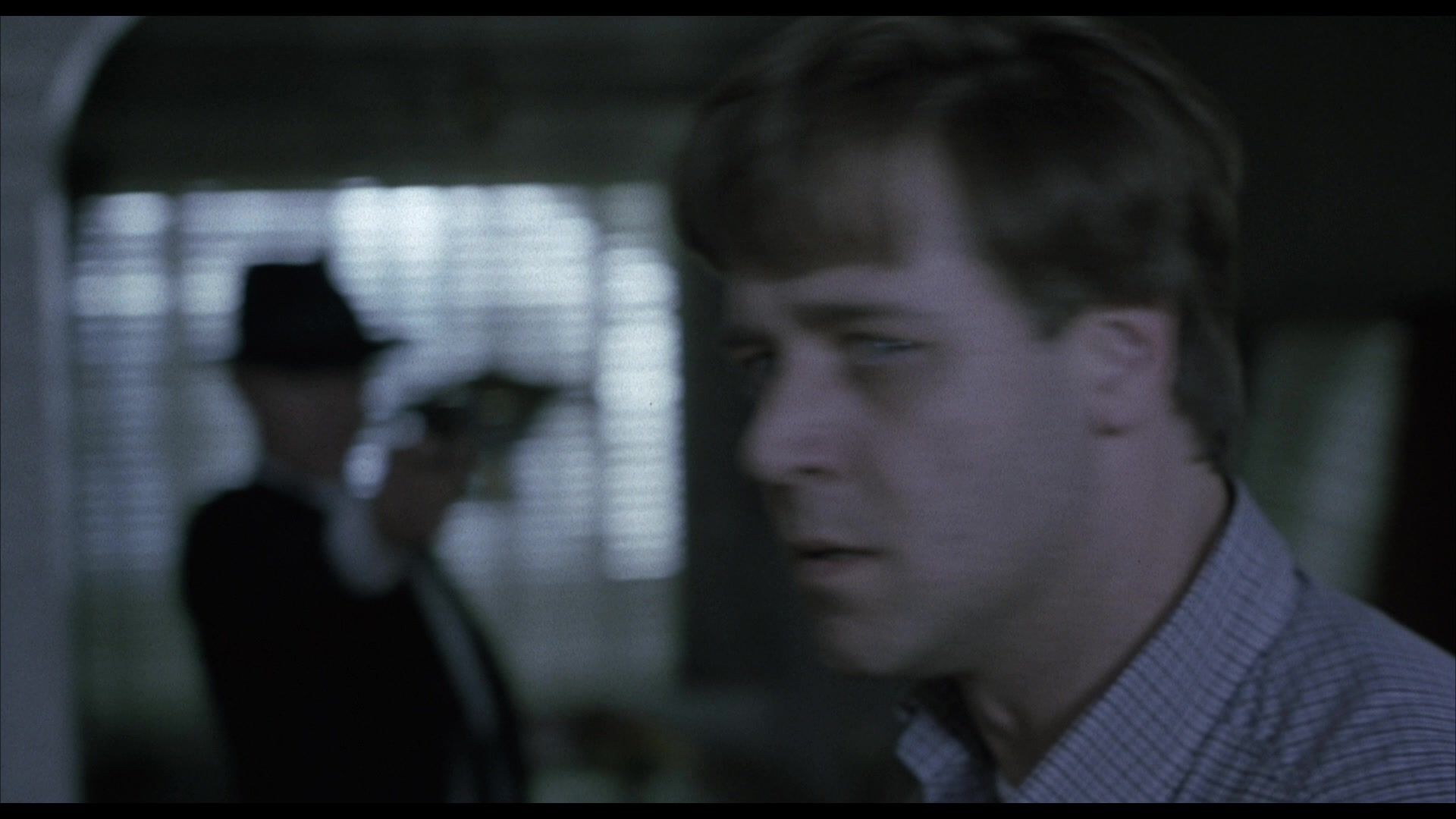
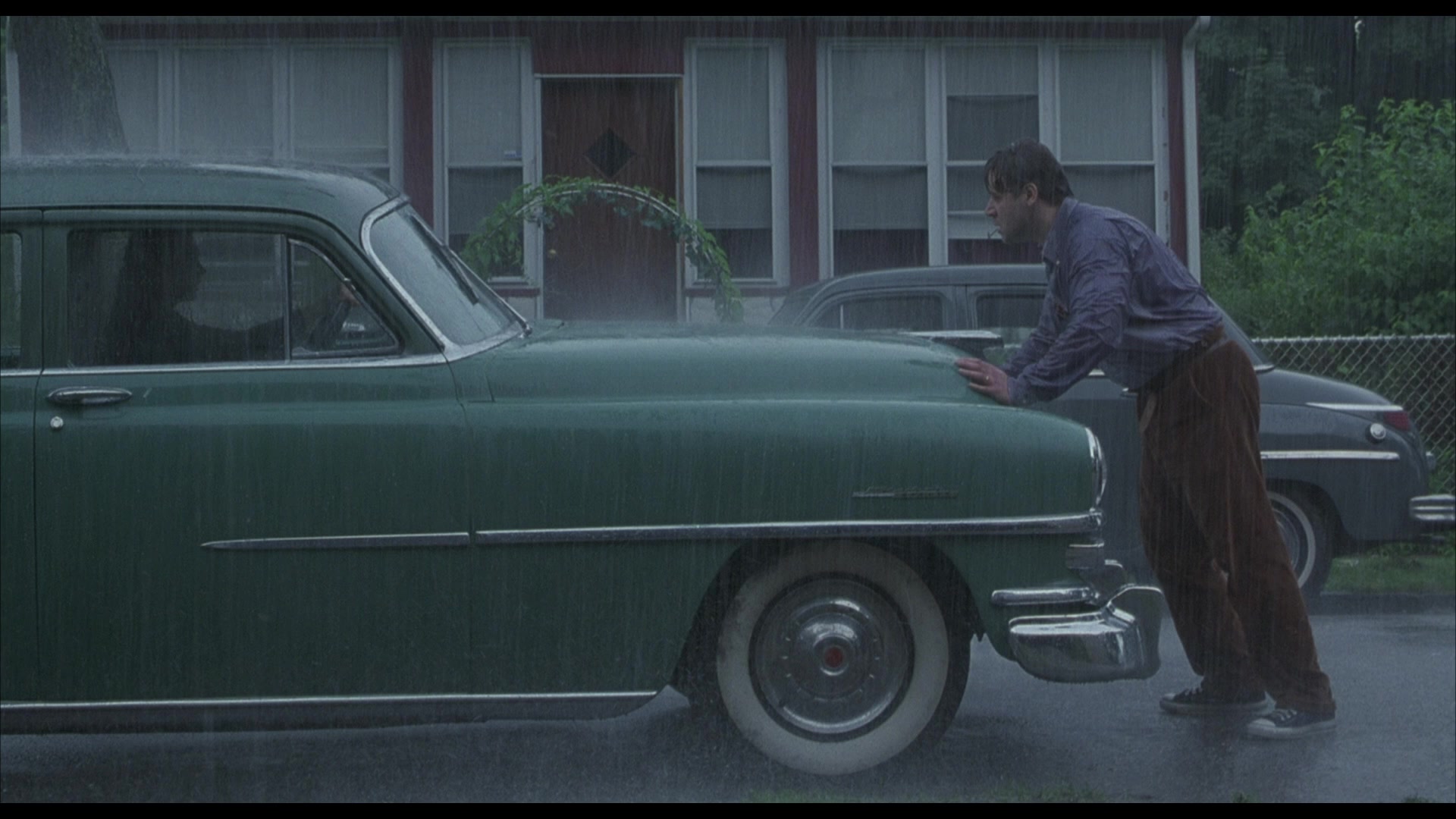
The cutaways in A Beautiful Mind make us feel his fear and confusion, creating tension by making it unclear what’s real and what isn’t.
Create Metaphorical or Symbolic Meaning
Cutaway shots don’t just help with pacing or scene flow. They can also carry meaning. In some scenes, a cutaway doesn’t show what’s literally happening, but instead shows an image that reflects the mood or idea behind the moment.
A well-known example appears in An American Werewolf in London (1981), where the film cuts away from the protagonist’s transformation to a cheerful Mickey Mouse figure. Instead of showing more of the scary transformation, the movie shows something happy and innocent:


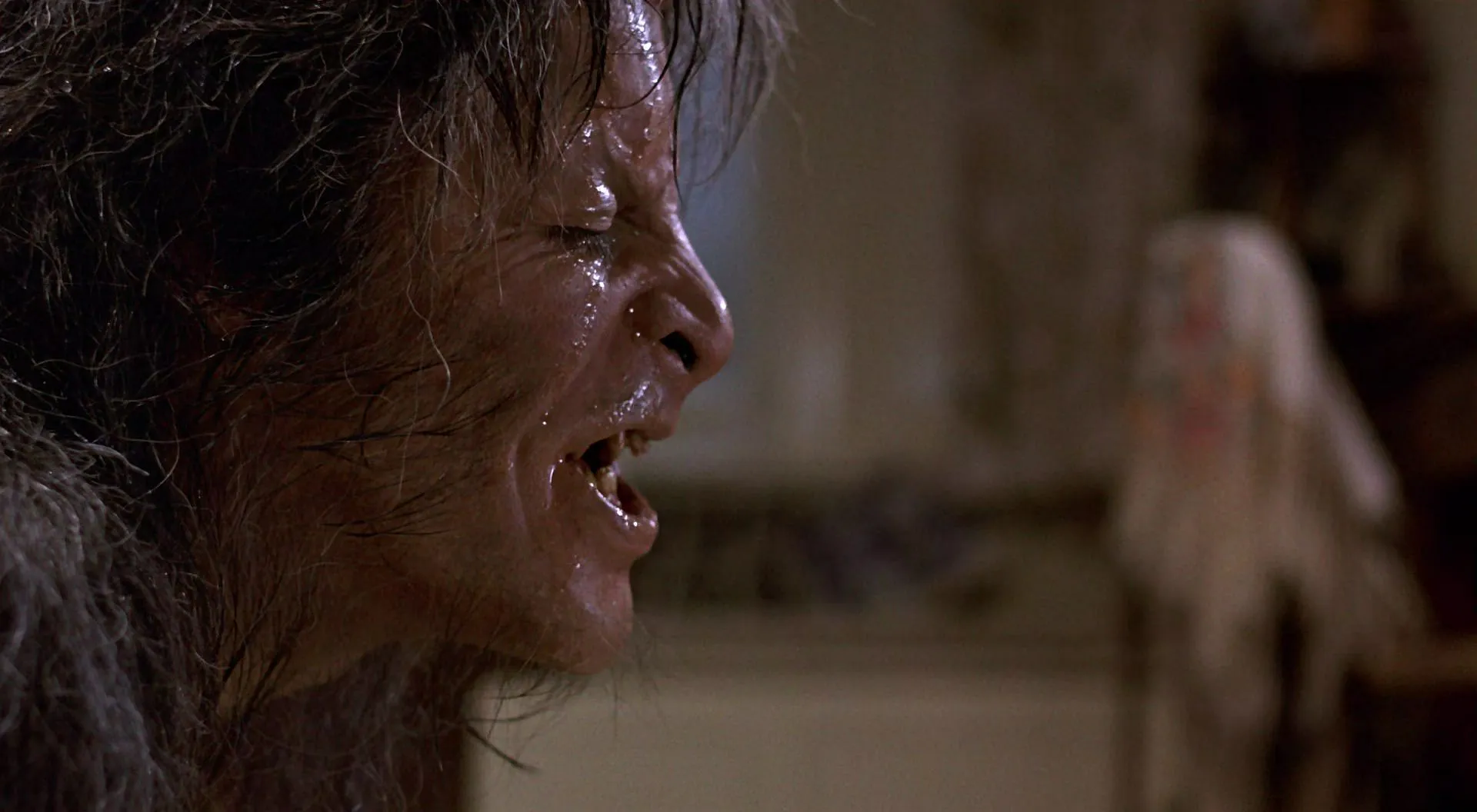
That contrast is the point. Mickey Mouse represents childhood, safety, and fun, so seeing him during a horrifying moment feels wrong and uncomfortable.
The cutaway makes the transformation feel even more disturbing, even though we’re not watching it happen. The audience understands how bad the moment is because of how out of place the image feels.
Establishing Time Passing
A cutaway can indicate time passing without showing every step of an action. Cutting from a character starting a task to an exterior shot of the sun setting or a time-lapse of traffic flowing before returning to the completed action is a great way to communicate duration.
When NOT to Use Cutaway Shots
While cutaways are powerful, overusing or misusing them can weaken a scene rather than improve it. Here are situations where cutaways can do more harm than good.
Overuse That Distracts the Viewer
Too many cutaways can make a scene feel choppy or unfocused. If the audience becomes aware of the editing instead of the story, the cutaways are no longer serving their purpose.
Breaking Spatial Logic
Cutting away to shots that don’t clearly relate to the main action can confuse the viewer’s understanding of space. If the audience can’t tell where characters are in relation to each other, immersion suffers.
Confusing the Timeline
Unclear or poorly motivated cutaways can disrupt a scene’s sense of time. If it’s not obvious whether time has passed (or how much), the audience may misinterpret the sequence of events.
Undermining Strong Performances
If an actor is delivering an emotionally powerful moment, cutting away unnecessarily can dilute its impact. Sometimes the strongest editorial choice is to stay on the performance and let it play out uninterrupted.
Using Cutaways as a Crutch
Relying on cutaways to “fix” unclear storytelling, weak blocking, or insufficient coverage can mask deeper problems rather than solve them. Cutaways should always be used to make things clearer.
How to Use Cutaways Effectively
So let’s sum up what makes a good cutaway shot:
Stay Relevant: Make sure the cutaway adds to the story. Random shots can confuse the audience.
Perfect Timing: Insert cutaways at moments that enhance the narrative, like during a pause in dialogue or to emphasize a reaction.
Don’t Overdo It: Use cutaways sparingly. Too many can distract from the main action.
Cutaway Shot vs Insert Shot: A Simple Decision Guide
Cutaway shots and insert shots are often confused, but they serve different editorial purposes. A quick decision framework can help clarify when to use each.
Ask this first:
Is the detail part of the original action or master shot?
- Yes → Insert Shot
- No → Cutaway Shot
Insert Shot
An insert shot is a closer view of something already present in the main scene or master shot. It does not interrupt the story world, but refines it.
Common uses:
- A close-up shot of a hand turning a doorknob already visible in the wide shot
- Highlighting a text message on a phone a character is holding
- Emphasizing an object that directly advances the action
Inserts maintain continuity and usually occur within the same time and space as the main shot.
Cutaway Shot
A cutaway moves away from the main action to something related but separate. It temporarily interrupts the scene to add visual context clues, hide edits, or control pacing.
Common uses:
- Cutting to a listener’s reaction during dialogue
- Showing an exterior shot to indicate time passing (for example, by using a time-lapse shot)
- Cutting to an object or environment detail not shown in the master
Cutaways are often used to compress time, hide continuity issues, or shift emphasis without showing every action directly.
In short:
- Insert = closer look at the same action
- Cutaway = brief shift to related context
Cutaway Shots in Editing vs Shooting
Cutaway shots can be planned during production or introduced later in the edit, but their function changes depending on when they are created.
Cutaways Planned During Shooting
When planned on set, cutaways are shot with a specific narrative job in mind. Rather than simply “adding coverage” or throwing in some random B-roll, they are designed to control how the audience interprets a moment.
Common production-stage purposes include:
- Directing attention (cutting to a character’s hands shaking to emphasize anxiety)
- Controlling emotional emphasis (cutting away from dialogue to a silent reaction (i.e., reaction shot) to shift sympathy or tension)
- Clarifying story information (showing an object, location detail, or background action that explains motivation or stakes)
Because these cutaways are intentional, they are usually storyboarded or included in the shot list and match the scene’s lighting, framing, and visual logic.
Cutaways Introduced in the Edit
In post-production, cutaways are primarily structural tools. Editors use them to solve concrete problems without calling attention to the edit itself.
Common editing-stage uses include:
- Removing pauses, filler words, or reordering dialogue
- Hiding jump cuts or mismatched performances
- Compressing time without adding new story beats
- Repairing continuity errors between takes
These cutaways often come from B-roll, reaction shots, or unused angles captured during production.
Key Difference in Practice
- Shot cutaways are designed to shape meaning
- Edit cutaways are used to preserve flow and clarity
Strong scenes usually rely on both: intentional cutaways that guide interpretation and editorial cutaways that quietly keep the scene working.
Examples of Cutaway Shots Across Genres
Cutaway shots appear in almost every filmmaking format, but their purpose changes depending on genre, pacing, and audience expectations. Here are practical, genre-specific examples of how cutaways are commonly used.
Narrative Tension (Drama & Thriller)
A classic tension-building cutaway shifts attention away from the main action at a critical moment. For example, during a heated argument, the edit cuts away to an unrelated but ominous detail (such as a ticking clock, clenched hands, or a closed door) before returning to the confrontation. This delays resolution and heightens suspense without adding dialogue.
Comedy Timing
In comedy, cutaways can support a joke by briefly interrupting a scene and then returning to it. A character might say something confident, and the edit cuts away to an ironic reaction shot, an unimpressed listener, or a visual detail that undercuts what was just said—before cutting back to the speaker. The humor comes from the contrast created by the interruption, not from skipping ahead to the result.
Take Family Guy, for example. Here, cutaways and flashbacks open up new story paths. They let a show explore side plots, hidden backstories, or different points of view. These extra scenes can move the story forward or shift it in a new direction. That gives writers more ways to build depth and expand the world of the show.
Related technique: A Gilligan cut uses a similar contrast, but instead of briefly cutting away, it jumps directly from a setup to a contradictory result. Because it doesn’t return to the original action, the result itself becomes the punchline. In a cutaway, the joke happens between lines of action; in a Gilligan cut, the joke replaces the action entirely.
Depending on the comedy genre, sometimes montages using library shots are used as an obvious visual metaphor. I see this often in comedies heavy on puns, like in this sex scene from The Naked Gun 2½ (1991):
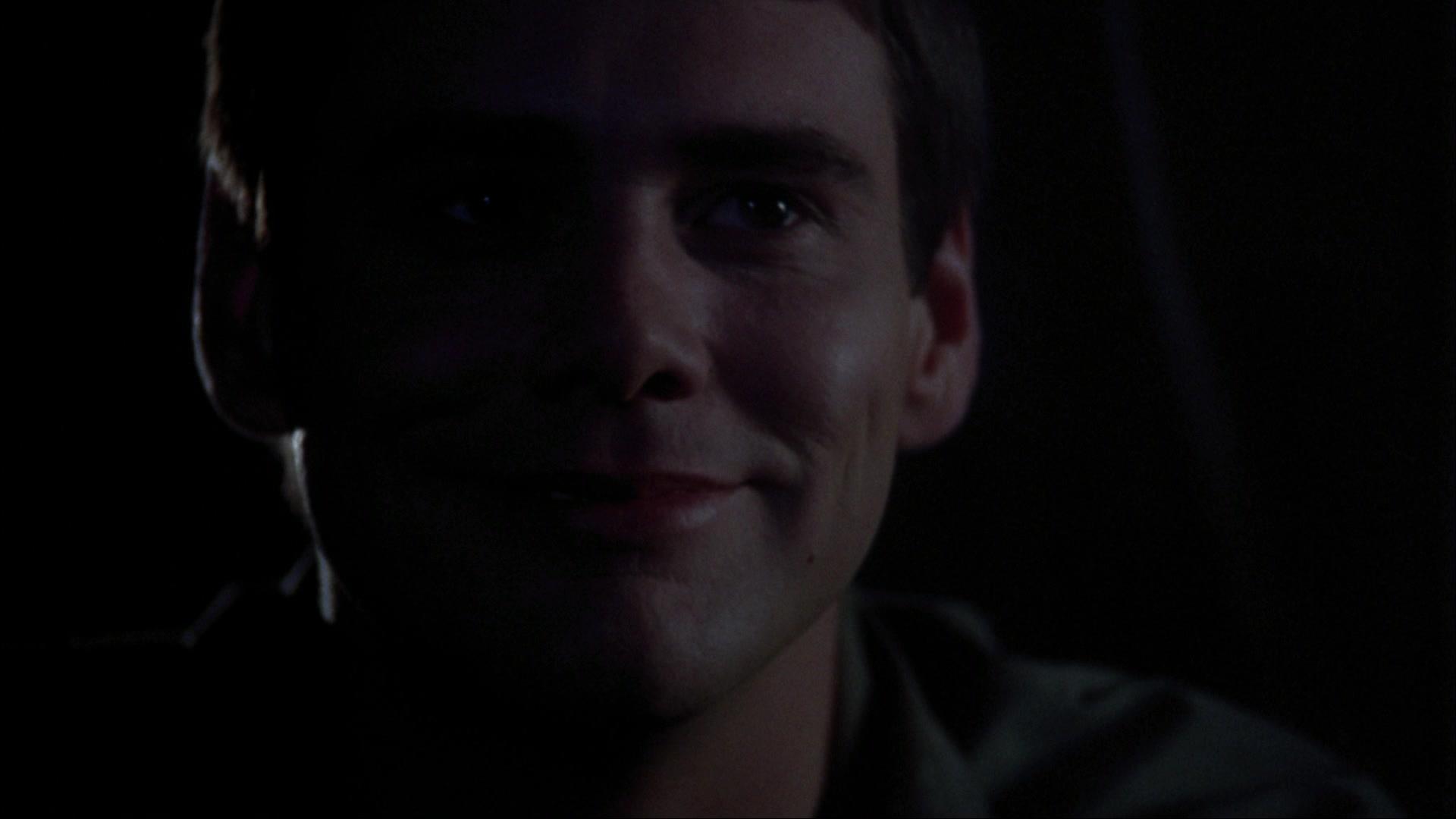
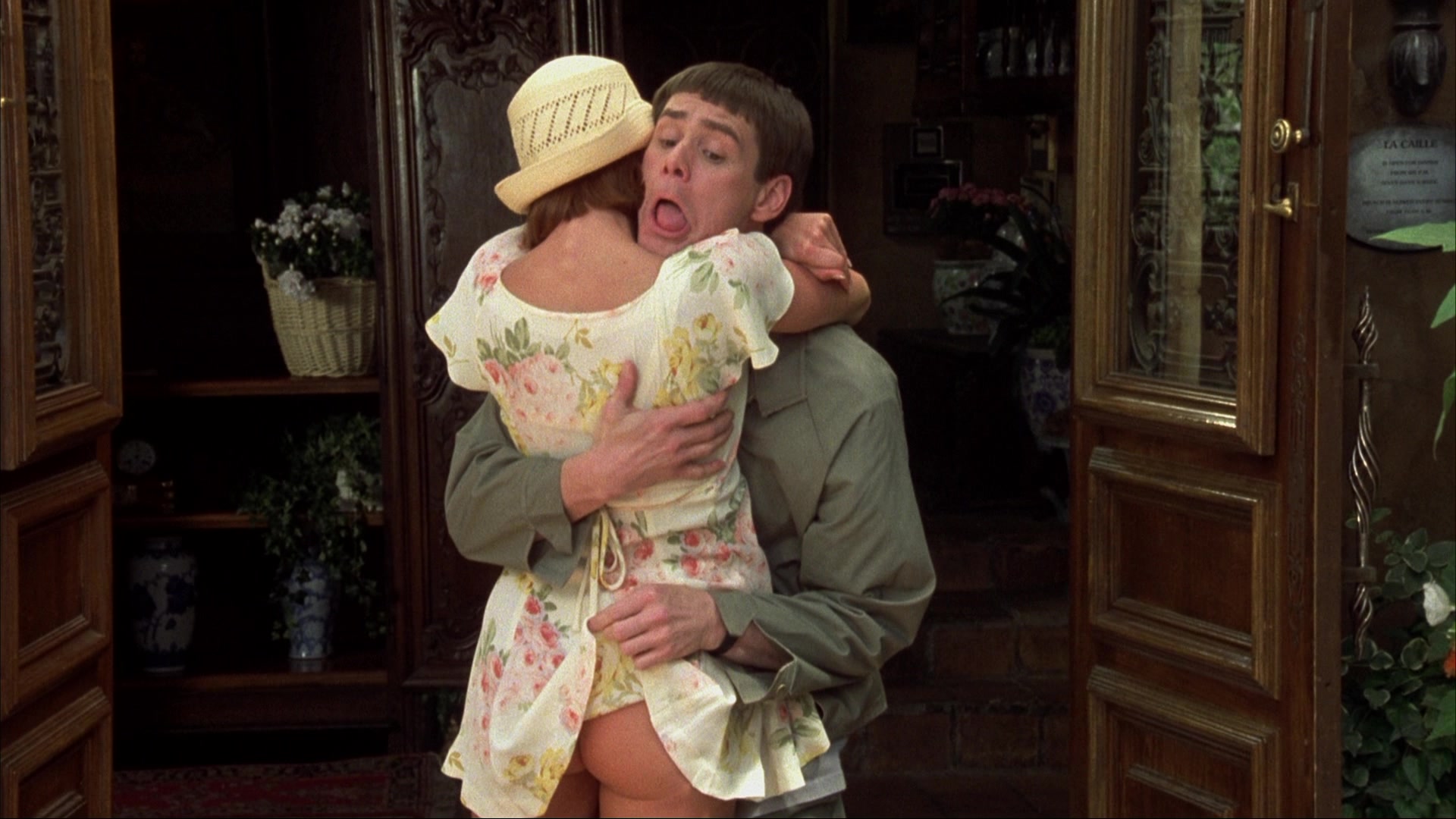
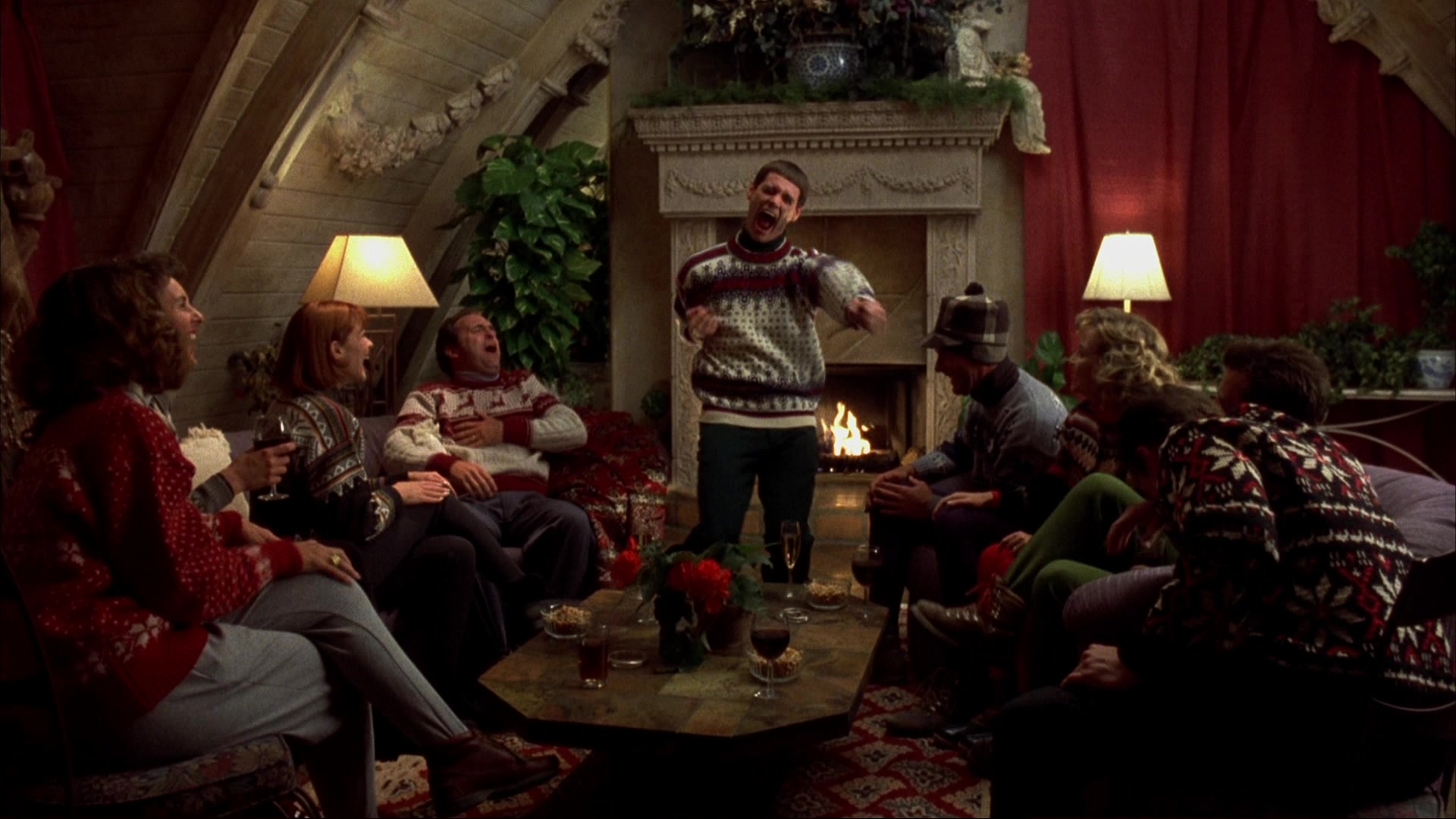
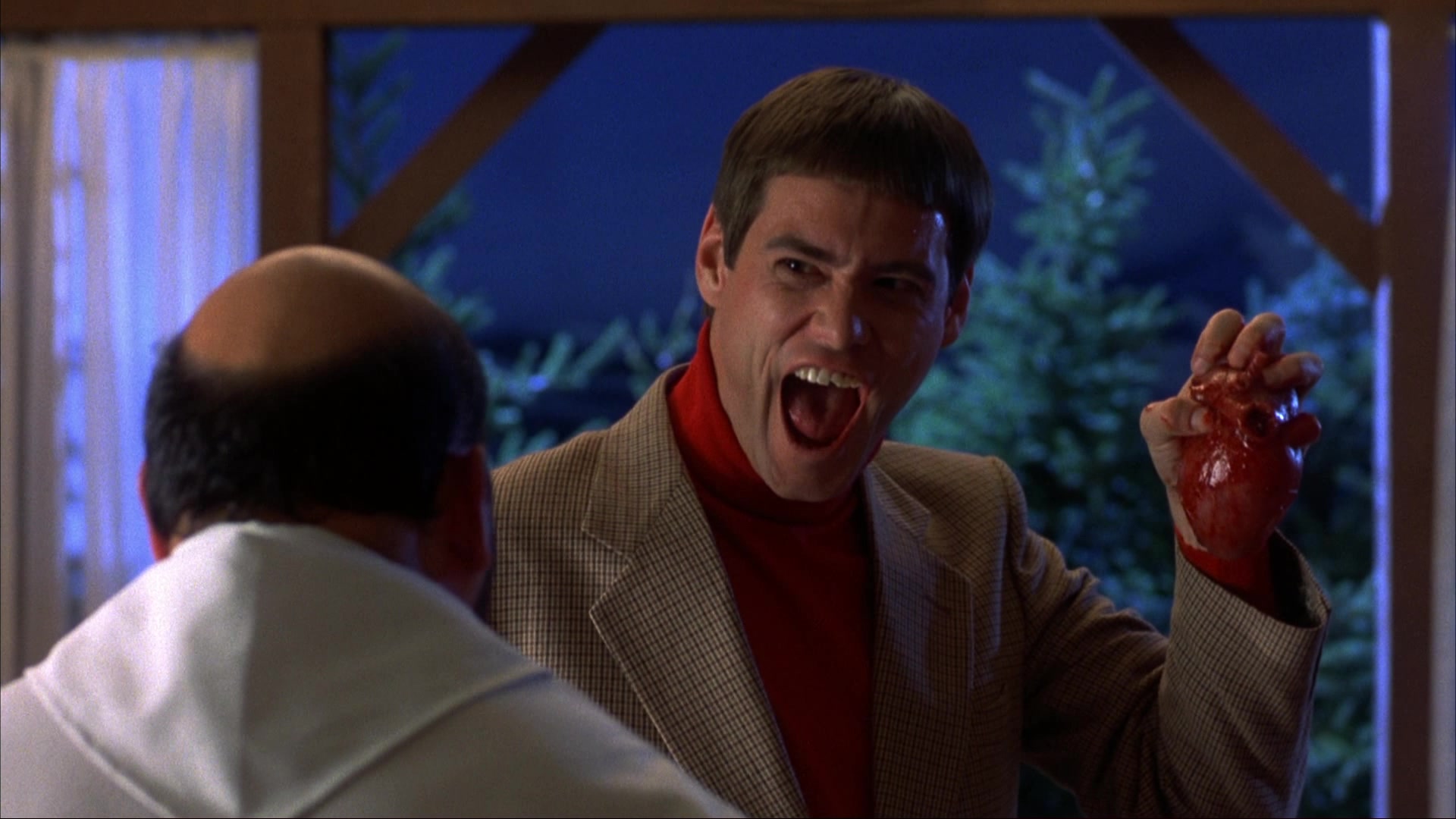
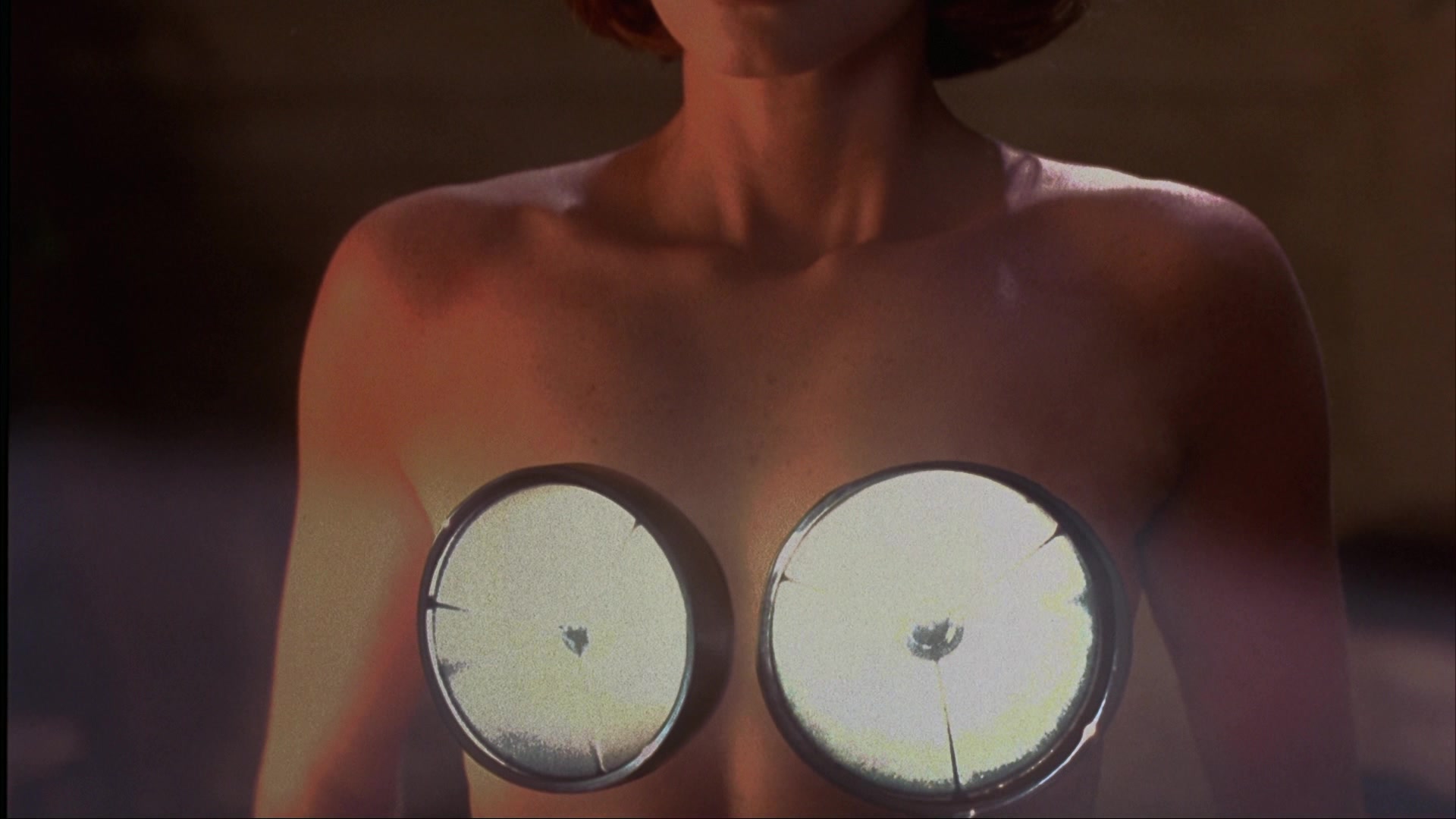
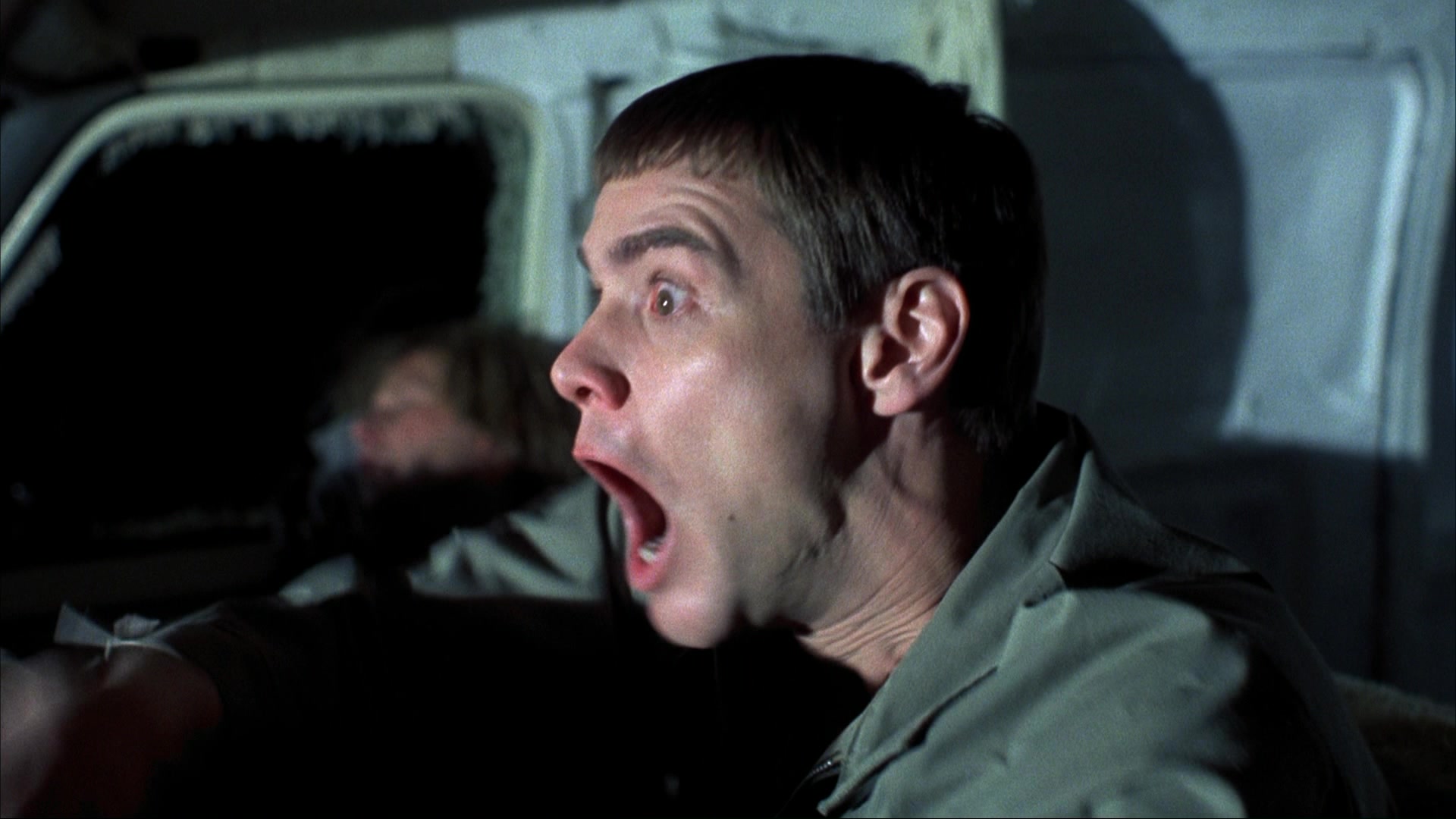
And, of course, in comedy it’s also used to show what a character is thinking of, like in this dream sequence from Dumb and Dumber (1994) where Lloyd dreams of being popular, the center of attention, a kung-fu master (or hero), and the lover of his dream-girl Mary Swanson:
Horror: Avoid Showing the Effect
Horror frequently uses cutaways to let the audience imagine something worse than what’s shown. Instead of depicting violence directly, the edit cuts away to a reaction shot, a shadow, or an empty hallway, allowing sound design and our imagination to do the work. This technique keeps tension high while avoiding explicit imagery.
Summing Up
Cutaway shots are like the secret sauce in filmmaking. They help keep scenes flowing smoothly, build tension, and give us a peek into what’s happening inside a character’s head. When used right, they make the story more engaging and help the audience connect the dots without realizing it.
Read Next: The Ultimate Guide to Scene Transitions in Film: Definition, Types & How They Work
